
A quick search for the keyword “sustainability” on a local job portal yields more than 1,000 results. While some postings are for dedicated sustainability roles, many incorporate sustainability responsibilities within broader job scopes.
The advertised roles include sustainability and compliance executive, sustainability engineer, sustainability and supply chain manager, sustainability and investment executive, sustainability data solutions manager, corporate sustainability reporting and stakeholder engagement manager, green initiatives executive, and many more.
“ESG” returns fewer listings, but no less interesting ones: ESG analyst; safety, health and ESG manager; and risk, ESG and group performance assistant vice president.
Across sectors, demand for sustainability and ESG talents has never been higher. As the vacancies suggest, the skills in need cut across multiple job functions, straddling compliance, strategy, operations, data and stakeholder engagement.
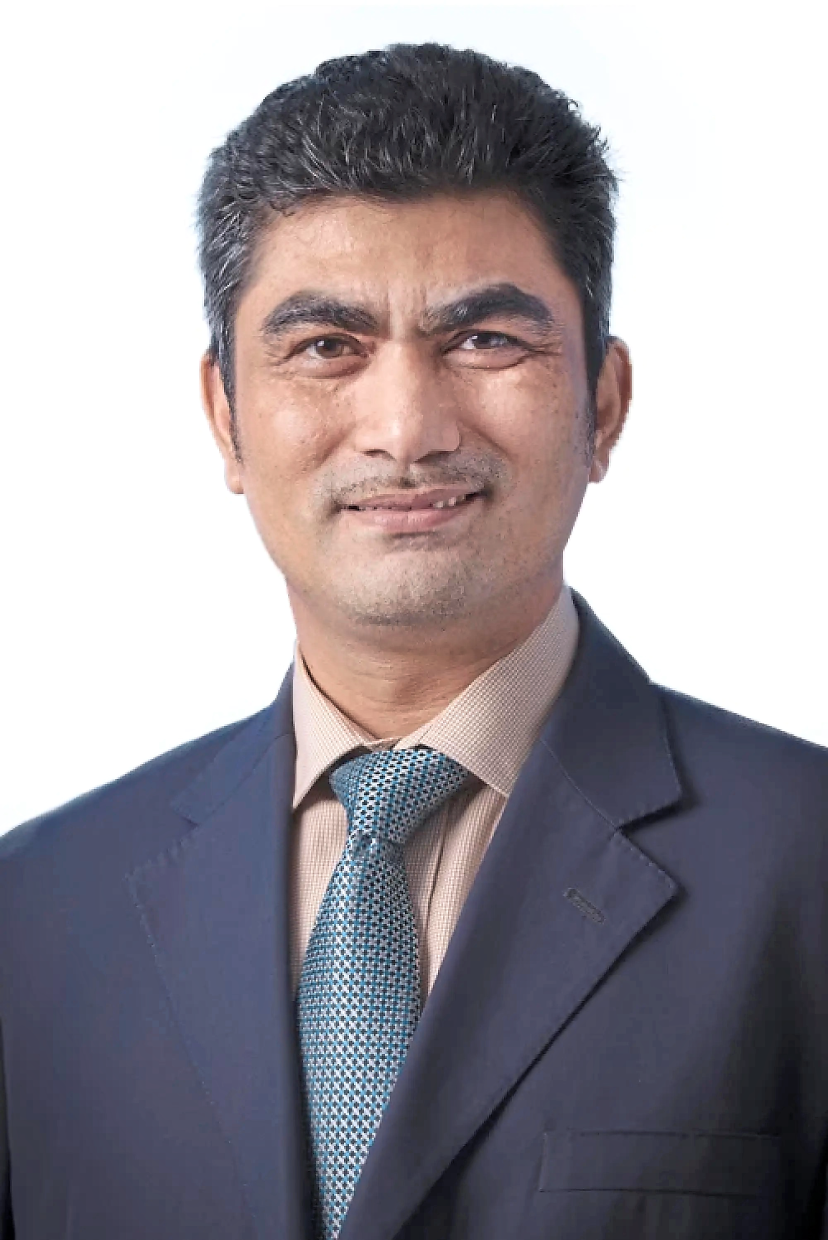
“Global demand for sustainability professionals is driven by tightening international regulations, corporate net-zero commitments and heightened consumer and investor demand for responsible investments,” said Deloitte South-East Asia sustainability and emerging assurance leader K Ganesan Kolan De Velu.
Regulatory pressures around the world are amplifying corporate sustainability obligations, affecting not only large corporations but also small and medium enterprises (SMEs), which are striving to keep up.
“For SMEs, it is becoming a licence to operate in a green, digital and compliance-driven economy,” said Small and Medium Enterprises Association (Samenta) Malaysia’s sustainability and circular economy chairman Dr John Loh.
“Those who integrate sustainability with productivity, digitalisation and people development will be the ones who remain competitive, bankable and trusted in the next decade,” he added.

Reality on the ground
Often seen as an extension of corporate social responsibility (CSR), ESG has gradually replaced CSR as the framework for assessing a company’s commitment to sustainable and responsible business practices.
The evolution mirrors Michelle Woon’s entry into sustainability. The freelance consultant, who was previously the sustainability lead of a listed company, said her early exposure to sustainability was through CSR initiatives around 2014, where she learnt the importance of stakeholder engagement, empathy and balancing business needs with societal impact.
Several transformation and project management roles later, Woon was appointed the sustainability and government relations head at Nestle Malaysia in 2020.
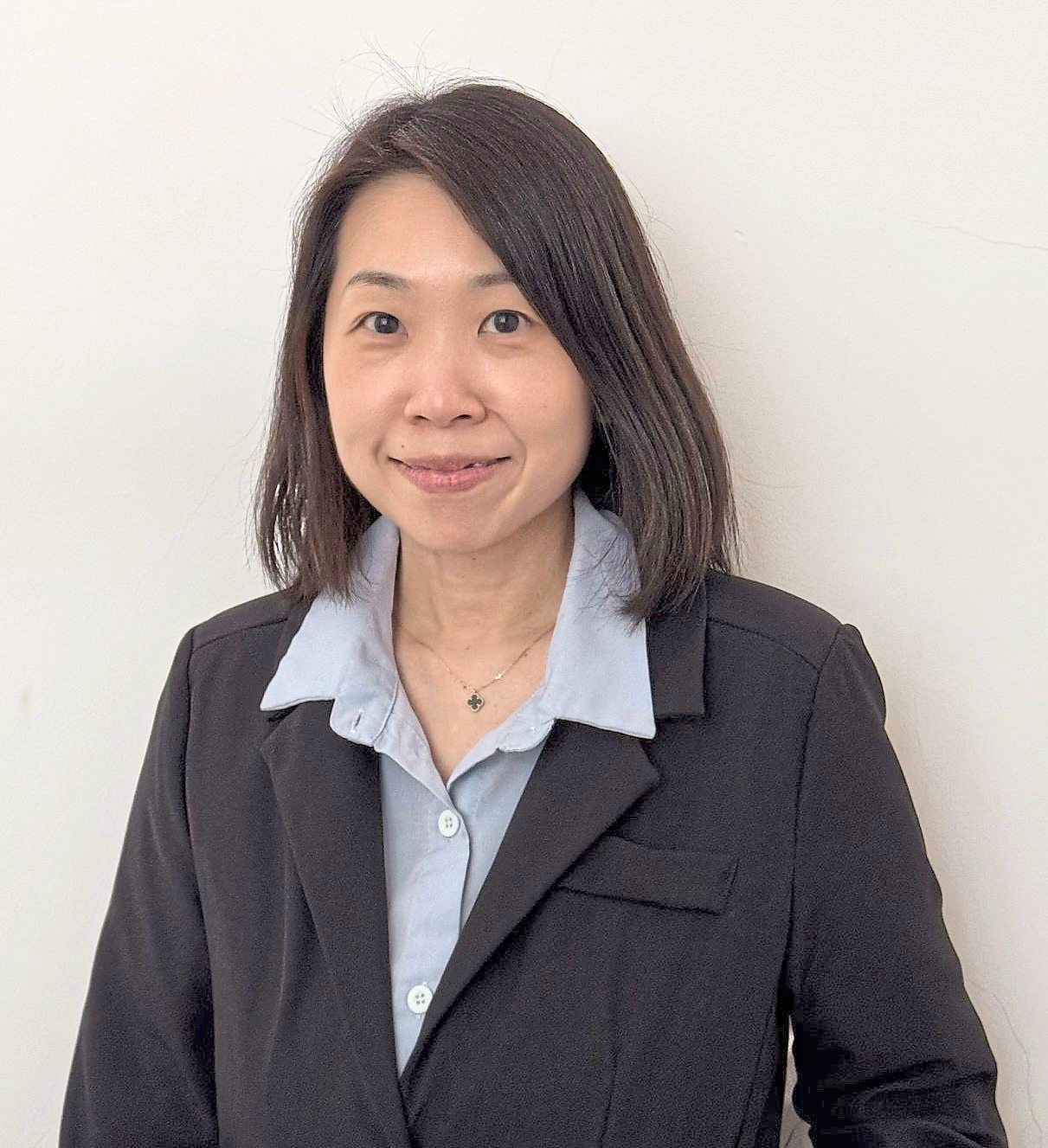
“I was responsible for defining sustainability priorities aligned with corporate commitments, setting clear targets, coaching teams across the value chain, and working closely with senior leadership, government bodies and external stakeholders.”
The role went beyond technical expertise; it required soft skills such as strong communication, trust building and people leadership. “Sustainability, for me, became not just a function or programme, but a leadership journey grounded in people, problem solving and long-term value creation.”
While large corporations have made significant headway into ESG and sustainability, the same cannot be said for SMEs. Their mindset, however, has begun to shift, noted Samenta’s Loh.
“Today, many SME owners recognise that sustainability and responsible business practices are directly linked to business resilience, cost management, access to green and digital supply chains, financing, talent attraction and long-term competitiveness in what we now call the ‘green shift and compliance economy.’”
Citing Alliance Bank’s ESG 2.0 Report, Loh said ESG awareness among Malaysian SMEs has risen to about 80%, with adoption growing to about 60%.
While awareness is widespread, he added, only a smaller proportion of SMEs have meaningfully embedded ESG into their strategy, systems and day-to-day operations.
For many SMEs, the conversation is now focused on embedding ESG into a green, lean, digital and responsible business model that strengthens profitability and productivity, while meeting future regulatory and supply chain expectations, Loh said.
Currently, ESG in micro and small SMEs is usually handled through double-hatting, with owners, finance managers, human resources personnel or operations heads taking on the responsibility, he said.
They are usually supported by simple templates, digital tools and basic training, with an initial focus on utilities, waste, safety and basic governance.
A hybrid model, meanwhile, is common for growing and mid-tier SMEs. “Internal managers lead ESG, while specialist consultants support sustainability reporting, carbon accounting, energy audits, human-rights due diligence and compliance readiness.”
In contrast, export-oriented or regulated SMEs, where supply chain qualification, access to financing and digital reporting are critical, are more likely to appoint dedicated sustainability leads, Loh added.
Jack of all trades
With ESG spanning multiple facets of business operations, a sustainability practitioner is expected to be knowledgeable across a wide range of disciplines. Greenhouse gas (GHG) accounting, decarbonisation initiatives, circular economy practices and green supply chains are just some of the skills in demand.
In practice, can a chief sustainability officer (CSO) realistically be a jack of all trades?
The answer is no, said Deloitte’s Ganesan.
“Effective sustainability leadership in a public-listed company requires a combination of strategic planning, project management, data analysis, communication, advocacy, policy development, leadership and influence—skills essential for integrating sustainability into business strategies and driving innovation towards sustainable development goals.
“These skills are developed over the years by generalist senior managers and are transferable and adaptable skill sets that can be adapted to ESG with the support of outsourced ESG advisors, who bring the latest ESG technical and regulatory knowledge,” he said.
Concurring, Woon noted that sustainability leaders succeed by combining core expertise, collaboration, execution capability and personal commitment to achieve lasting and meaningful impact.
“It is unrealistic for any one person to be a deep expert in every area. What matters most are core capabilities, the ability to collaborate with specialists and a genuine passion for driving impact,” she said.
Key skills for a sustainability practitioner include strategic and operational insight to connect ESG with business decisions, stakeholder engagement to align teams and partners, data literacy to measure impact, and change management to turn strategy into action, Woon elaborated.
“What is equally important is authenticity and personal commitment. For me, walking the talk extends beyond work such as driving an electric vehicle, installing solar panels and practising home recycling. Living these values builds credibility, inspires others and strengthens the impact of the initiatives we lead,” she said.
Essential skills
While depth of expertise in specific ESG areas is important, Woon noted that sustainability practitioners must understand how decisions across procurement, manufacturing, logistics, governance and customer engagement are interconnected.
“This end-to-end perspective allows sustainability to move beyond siloed initiatives and become embedded into core business operations,” she said.
Drawing on her experience as a consultant, Woon shared that the skill mix that has served her best combines strategic perspective, operational know-how and stakeholder influence, supported by practical implementation experience from her time with the multinational food and beverage company.
For SMEs, whose priorities are meeting regulatory compliance, Samenta’s Loh listed sustainability reporting and disclosure, along with GHG accounting and carbon literacy, as among the skills that deliver the most immediate business value.
“Carbon footprint measurement, emissions tracking and reduction planning are for compliance, financing and supply chain access. Simplified ESG Disclosure Guide, Global Reporting Initiative and practical awareness of IFRS S1 and S2 build trust with customers, banks and regulators,” he explained.
In addition, energy efficiency and resource management initiatives such as audits, smart metering, process optimisation, solar and green tech adoption will help to cut operating costs. Governance across risk, safety and human rights—occupational safety, labour standards, anti-corruption and ethical supply chains—play a role in protecting continuity and reputation, Loh added.
Demand for consultants
When internal capabilities fall short, companies turn to external ESG consultants, a group that is growing both in number and influence.
Having observed the contrast between organisations at different stages of their sustainability journey, Woon realised that her experiences could have a greater impact in a consultancy role.
She could help organisations accelerate their ESG journey, embed sustainable practices and create measurable positive outcomes for both business and the planet. Pursuing an MBA in Global Business further equipped her with the strategic perspective to guide companies through complex sustainability challenges.
“As an in-house leader, you go deep in one organisation. As a consultant, you have the opportunity to work across sectors, maturity levels and geographies.
“Other than that, I was also motivated by the growing demand for independent and practical ESG expertise. Many organisations needed strategic guidance but weren’t ready for a full-time CSO.
“Consulting allowed me to apply my experience where it was most needed, stay intellectually challenged and continuously learn from diverse contexts,” Woon shared.
Deloitte’s Ganesan noted that companies are increasingly engaging ESG advisory firms on a retainer basis.
Among others, Deloitte offers end-to-end solutions to embed sustainability into business operations, including data modelling and technologies to accelerate the transition to a low-carbon future, as well as human capital development to internalise ESG transformation within organisational culture and identity, he said.
It also helps companies unlock sustainability-driven growth through green product development, product portfolio redesign, effective green marketing strategies and digital platforms that support sustainability goals.
Future-proof ESG talents
Across the globe, the sustainability landscape is evolving—the EU has set ambitious sustainability policies and standards, China is leading in green energy and the Middle East is stepping up on decarbonisation efforts.
The most effective sustainability strategies will be rooted in business fundamentals, adapted to changing political dynamics and anchored in credible, measurable execution, said Deloitte’s Ganesan.
The evolution of ESG skills requirements, he noted, will be influenced mainly by regulatory developments and supply chain expectations.
“As companies navigate the complexities of global supply chains highly vulnerable to disruptions from geopolitical tensions, Trump tariffs, climate-related risks and logistical challenges such as the Panama Canal congestion and Red Sea crisis, there is greater demand for ESG experts who can design strategies to manage and mitigate these risks,” he said.
Key considerations when hiring ESG professionals, he predicted, will include the ability to identify and mitigate ESG and business risks; navigate rapidly changing global ESG reporting and disclosure regulations and laws; facilitate cross-border collaboration to address sustainability challenges; and demonstrating agility in responding to evolving ESG regulations, geopolitical developments and technological advancements.
While technical expertise is increasingly necessary, Woon added, it is the combination of strategic thinking, practical execution and strong people skills that truly allows sustainability professionals to make a lasting difference.
“As regulatory frameworks, investor expectations and public interest increase, practitioners will need deeper technical knowledge in areas such as climate risk, circular supply chains and sustainable finance. At the same time, leadership skills, the ability to handle complexity and the capacity to translate strategy into actionable change will become even more critical,” she said.
For SMEs, the future model is not about building a large ESG department, Samenta’s Loh said, but about embedding ESG capabilities across every role. All business functions will have to understand carbon emissions, circular economy, human rights and governance, integrating these into daily decisions using enterprise resource planning systems, Internet of Things data and artificial intelligence-based dashboards.
“Future-ready SMEs and professionals will need carbon, climate and circular economy intelligence; digital and AI-enabled ESG systems and analytics; green tech and energy transition management; human-rights literacy, empathy and inclusive leadership, supply-chain transparency and compliance readiness; and strong governance, risk and assurance capability,” he opined.
Samenta will ensure that the Malaysian SMEs are not left behind, Loh said.
“By translating complex global frameworks and national policies into practical, adaptable and value-creating pathways, and by supporting the development of green and responsible supply chains, SMEs are empowered to move beyond mere compliance to become confident, competitive and future-ready in the decade ahead.”