FASHION is a constant in our lives. It clothes us, shapes how we express ourselves, and even helps define eras and identities.
But in the age of social media and instant trends, self-expression has become entangled with overconsumption. Influencer hauls, flash sales and the chase for “newness” fuel a cycle of buying and discarding, with long-term consequences for the planet and for people.
Fast fashion refers to the mass production of low-cost, trend-based clothing designed to meet demand in real time. It thrives on constant novelty: new styles drop every week, and prices are so low that buying becomes effortless.
According to a 2016 McKinsey & Company report, the global fashion industry produces more than 100 billion garments annually, while the Ellen MacArthur Foundation estimates that over 92 million tonnes of textile waste are generated each year.
Much of this waste occurs because clothing is vastly underused, often discarded after just seven to ten wears, the foundation reports.
In Malaysia, the pattern is no different. E-commerce platforms have made cheap fashion just a click away, while the pressure to look current fuels the constant churn of wardrobes.
Data from the Solid Waste Management and Public Cleansing Corporation (SWCorp) shows that Malaysians generated 13.9 million tonnes of waste in 2021, of which over 432,000 tonnes comprised fabric waste.
“Fast fashion leads the market here,” opines Nik Suzila Hassan (Suzy), co-founder of Kloth Circularity, a social enterprise championing textile recycling and circularity. “It’s driven by affordability, accessibility and the pressure to keep up with trends, especially among young women.”
The hidden cost of speed
Many of these garments are made from synthetic materials such as polyester, nylon and spandex, which are all derived from crude oil.
The United Nations Environment Programme (UNEP) notes that such fibres can take up to 200 years to decompose, releasing methane and microplastics in the process.
“Synthetic textiles are one of the biggest contributors to landfill waste,” says Suzy. “As they degrade, they emit methane and release harmful substances into the air and water.”
Malaysia’s landfills are already nearing capacity. In 2023, the Waste Management Association of Malaysia (WMAM) reports that only 21 sanitary landfills remain active out of a total of 137 nationwide.
Constructing a new advanced sanitary landfill can cost over RM160mil and require ongoing maintenance and leachate treatment—a mix of decomposing waste liquids.
Beyond the environmental toll, communities living near these sites face worsening air quality and water contamination. What begins as a fashion choice can end as a public health issue.
Circular solutions in motion
While the challenges are immense, a growing number of Malaysian changemakers are tackling different stages of the fashion cycle: from collection and recycling to upcycling and design innovation.
> Kloth Circularity
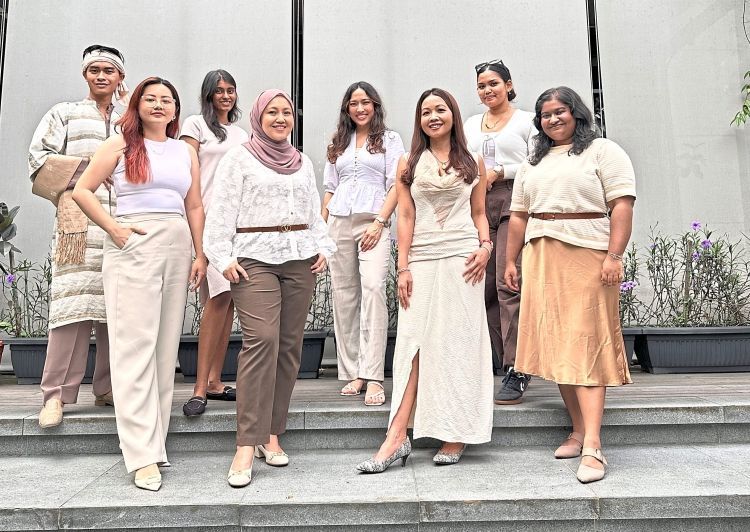
Co-founded in 2013 by Suzy and Sarah Kedah, this women-led social enterprise has spent over a decade advancing textile recycling and circular fashion in Malaysia and Singapore.
Guided by its 5R principles: rethink, reduce, reuse, repurpose and recycle, the organisation operates more than 500 collection bins nationwide and has diverted over 12 million kilogrammes of fabric from landfills, preventing an estimated 28 million kilogrammes of carbon emissions.
Through its Kloth Woman Up programme, it employs women from underserved communities to upcycle recovered textiles into new products.
Kloth Textile produces fabrics from recycled plastic bottles and repurposed textiles, while Kloth Wear transforms these materials into durable, sustainably made merchandise.
The organisation also partners with various corporates to reimagine waste, turning old uniforms and tablecloths into upcycled gifts.
> Komuniti Tukang Jahit
Social enterprise and micro-sewing collective Komuniti Tukang Jahit (KTJ) empowers women from the B40 community by providing training, sewing equipment and fair-wage opportunities to produce textile goods for corporate and community partners.
Through its network of local seamstresses, the initiative helps women earn a steady income while promoting the reuse of fabric and waste reduction.
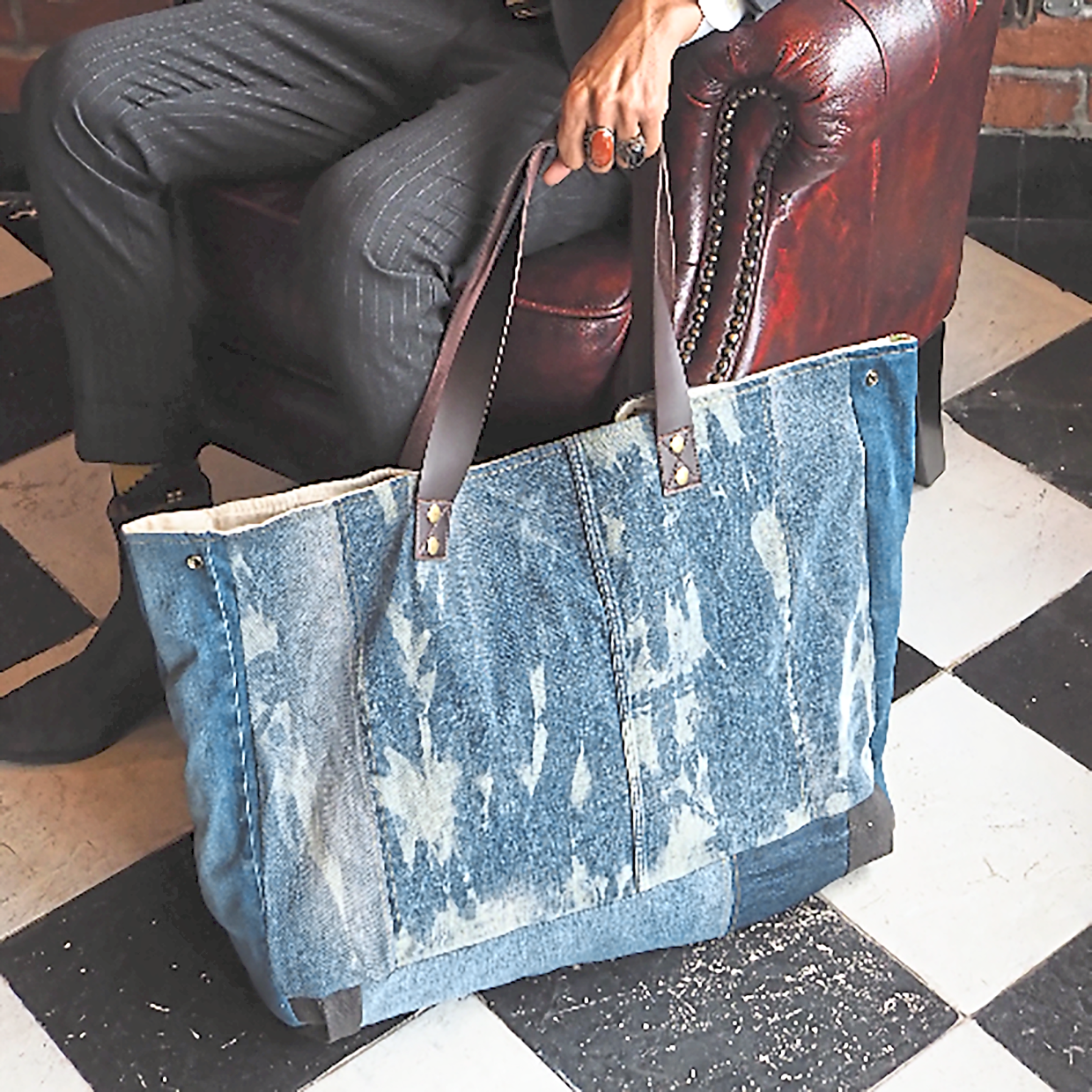
Its corporate upcycling programme works with organisations to repurpose discarded fabrics, such as old uniforms and surplus textiles, into new products, including reusable bags, accessories and corporate merchandise, giving materials a second life.
This model demonstrates how inclusive entrepreneurship can weave together livelihoods, communities and sustainability in a shared pursuit of conscious fashion.
> Suri Lifestyle
Based in Klang, this social enterprise stitches together sustainability with social purpose by transforming unwanted denim into hand-crafted lifestyle items.
It empowers single and underprivileged mothers through sewing and design skills, helping them build financial independence.
From upcycled tote bags to denim accessories, each creation finds new life while diverting fabric waste from landfills.
By turning textile waste into opportunity, Suri Lifestyle promotes mindful fashion and restores dignity and stability to women behind each pedal, proving that fashion’s true power lies in its ability to mend more than just seams.
Policies, progress and the path ahead
While awareness of sustainable fashion is growing, Malaysia still lacks the regulatory framework to manage textile waste at scale.
The Local Government Development Ministry’s (KPKT) proposed Extended Producer Responsibility (EPR) framework would require brands and importers to take responsibility for post-consumer waste—a critical step toward building a circular economy that Suzy welcomes.
Still, she adds, policy alone is not enough.
For systematic change to occur, consumers must move away from the prevailing culture of “quantity over quality”, which currently drives fast fashion, a particular observation among women aged 40 and below in Malaysia.
She believes that driving meaningful change requires educating consumers about the true environmental and social impact of their clothing choices.
To start, Suzy encourages Malaysians to take small, practical steps toward circular fashion.
“Plan a fashion circularity week for yourself,” she suggests, a simple exercise to re-evaluate what we own and how we consume.
Over seven days, the challenge invites participants to audit their wardrobe, sort unwanted items, alter or repair what can be saved, and end the week by shopping mindfully, choosing quality and versatility over fleeting trends.
Fashion has always been a language of self-expression; today, it must also become one of responsibility.
Before clicking “add to cart,” pause to consider: how long will I keep this and at what cost to the world around me?
True change does not begin on the runway, it starts with one conscious choice at home.