Industry is stepping up with new materials and technologies to address the plastic pollution crisis.
Every minute, a rubbish lorry’s worth of plastic enters the ocean. As World Ocean Day 2025 highlights, stemming the plastic tide is not just an environmental cause—it is a shared challenge demanding innovation, cross-sector collaboration, and active consumer engagement.
Today, a new wave of solutions is reshaping how the packaging industry, policymakers and citizens confront marine plastic pollution.
Rethinking packaging for the future
Plastic is deeply embedded in global supply chains, valued for its durability, role in preserving food safety and shelf life.
However, poorly managed single-use plastics have become symbols of environmental harm.
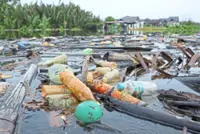
Did you know that the Klang River in Malaysia has been identified as one of the world’s top contributors to ocean-bound plastic? This stark reality underscores the urgent need for systemic solutions that move beyond mere promises.
Over the past decade, leading brands have shifted from traditional ‘take-make-dispose’ (linear) models to circular approaches.
By the late 2010s, fast-moving consumer goods (FMCG) companies pledged to cut emissions, source materials responsibly and ensure all packaging would be fully recyclable or compostable by 2025.
For instance, Unilever’s 2019 commitment aimed for a 50% reduction in virgin plastic use and 100% reusable, recyclable or compostable packaging.
By last year, progress was mixed: virgin plastic use fell by 18% and 22% of packaging is now recycled, but the 100% target has been pushed to 2030 for rigid plastics and 2035 for flexible ones, citing infrastructure and supply chain hurdles, regulatory complexity and disruptions like the pandemic.
Other FMCG giants report similar obstacles, with progress fastest in countries boasting advanced recycling systems, simpler packaging, or premium pricing that absorbs higher costs.
These experiences underscore not a lack of ambition but the immense challenge of transforming global supply chains and consumer habits, one that requires relentless innovation and policy support.
Breakthroughs are emerging. Parkside, for example, has pioneered flexible, compostable, and mono-material packaging in Asia that decomposes more readily or is easily recycled.
Notably, Parkside won the UK Packaging Award for Best New Concept in 2023 for its compostable coffee packaging—a solution now gaining traction beyond the United Kingdom market.
Japanese researchers at RIKEN have developed plastics that dissolve harmlessly in water, offering a potential alternative to long-lived marine debris.
French biotech firm Carbios is scaling up the enzymatic recycling of PET plastics, breaking them down at the molecular level for high-quality reuse.
Meanwhile, British company Polytag’s digital watermarking technology enables highly accurate sorting, improving recycling rates and traceability in recycling centres.
Shared responsibility across the value chain
At the recent Coffee, Planet and Us 2025 — a forum for sustainability in the coffee and its related sectors — Parkside Malaysia’s general manager Paul Vaughan urged industry leaders to move from blame to shared responsibility.
“Change begins with choice,” he said. “This (Earth) is only lent to us. We’re only borrowing this.”
He also urged that we stop pointing fingers and instead ask what positive steps each of us can take for society. Change doesn’t happen in isolation; it requires everyone in the value chain to act.
Collaboration across the value chain is critical to tackling plastic pollution at scale. The Alliance to End Plastic Waste—a coalition of over 70 companies—has pledged more than US$1.5bil for infrastructure and innovation, particularly in Asia.
The Ellen MacArthur Foundation’s Plastics Pact, with over 500 global signatories, champions annual, transparent reporting and practical targets.
However, both initiatives have faced criticism for slow progress, missed targets and accusations of greenwashing.
These challenges highlight the complexity of achieving global standards across diverse markets, as well as the gap that can emerge between ambition and tangible action.
Nevertheless, meaningful partnerships are making a difference. In Singapore, AI-driven robots are improving waste sorting and recycling rates, while brands in cities across Europe and Asia are trialing refill and reuse schemes.
Regulatory frameworks are evolving, too. The European Union’s Single-Use Plastics Directive, as well as similar regulations in Canada and the UK.
Malaysia’s phased Roadmap Towards Zero Single-Use Plastics, all demonstrate how policy, aligned with industry efforts, can help raise standards and drive lasting change.
Everyday action matters
While industry and government bear much of the responsibility, consumer action remains indispensable.
Paul emphasised that the simplest, most immediate solution is responsible disposal: “Don’t throw your waste in the river. Don’t throw it in the sea.”
Choosing products with clear recycling instructions, supporting refill and reuse schemes and holding companies accountable for their packaging choices are all ways consumers can contribute to progress.
Honest labelling and standardisation are also essential. Without them, even the most innovative packaging may end up in a landfill due to confusion or inadequate infrastructure.
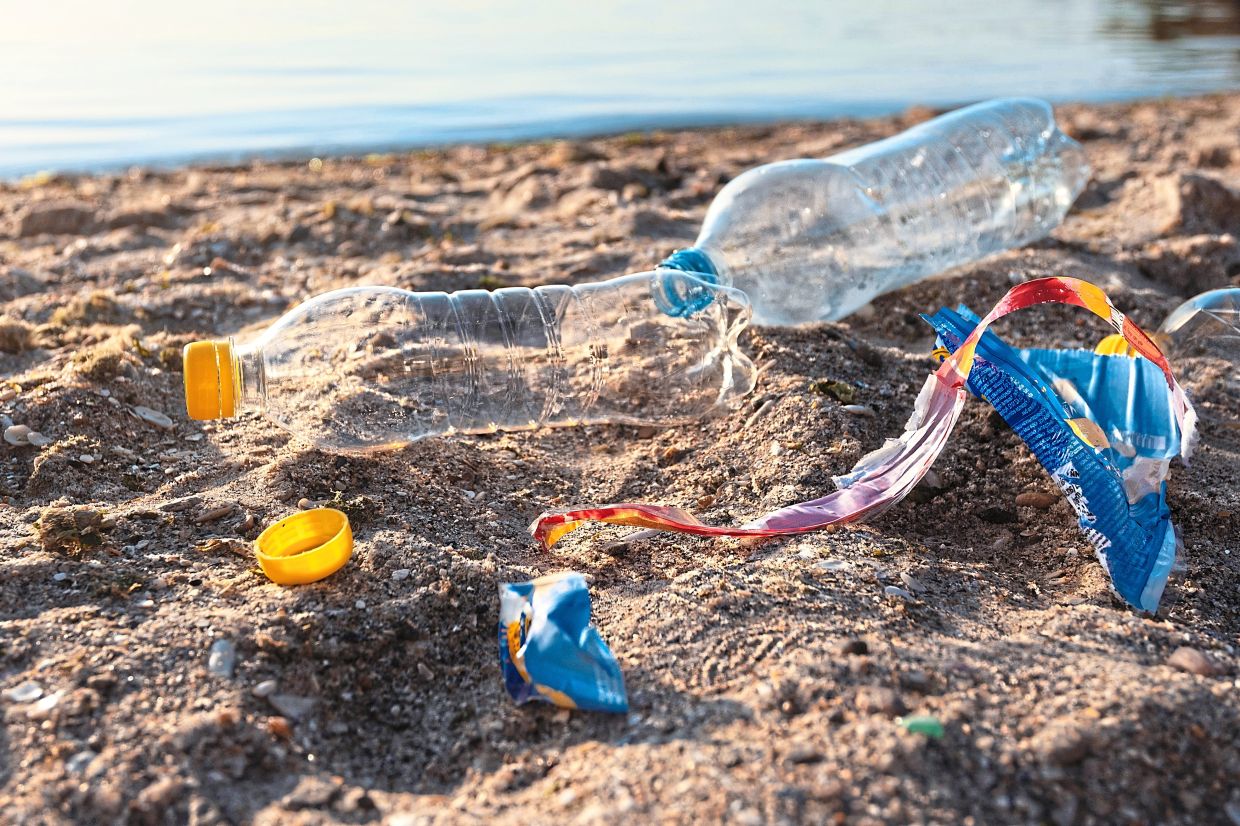 Marine plastic pollution remains a global crisis, driven by single-use packaging and inadequate disposal.
A shared mission
Despite the challenges—cost pressures, infrastructure gaps, regulatory differences and sometimes slow consumer uptake—the tide is beginning to turn wherever innovation, collaboration and responsible action intersect.
As Paul reminded the audience that embracing change is not just for ‘other people.’ It starts with the choices made by each company, each boardroom, each supply chain and each consumer.
This World Ocean Day, the message is unmistakable: the future of the health of our seas depends not just on what happens at the shoreline, but on the choices made by everyone who designs, manufactures, regulates and uses packaging.
Companies that lead this transformation will help safeguard marine ecosystems.