
BEIJING (SCMP): In China, some influential online voices offering health advice are neither doctors nor academics, but AI-generated blue aliens.
Depicted as emissaries from an advanced civilisation, the bald, blue-skinned digital figures have humanlike bodies and glowing markings across their heads.
The phenomenon reportedly traces its origins to Wanxiang Science, a popular-science channel on Douyin with more than 1.5 million followers.
The account traditionally covered physics, but struck viral gold in August with a clip introducing “Ace,” an alien persona who lectured viewers on the speed of light.
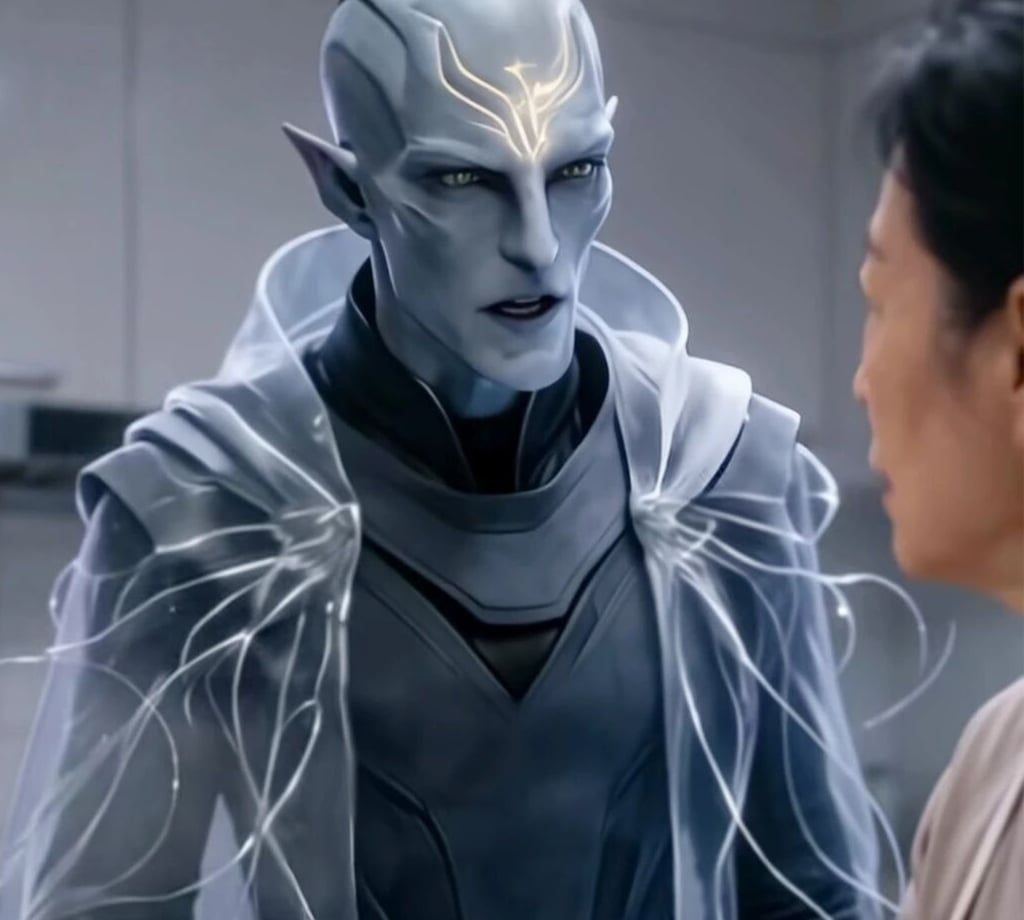
Ace quickly became the channel’s flagship presenter, racking up more than 250 million views with cinematic explainers on topics ranging from planetary formation to ocean tides.
Audiences widely praised the character’s calm demeanour and accessible storytelling. Some viewers said the alien had made complex concepts easier to understand than their textbooks had.
However, that breakout success has spawned a sprawling network of imitators, who have shifted the format from cosmic knowledge to fearmongering about health.
One viral clip shows an alien warning that everyday dishwashing could “give the whole family cancer,” portraying kitchen sponges and wooden chopsticks as cancer risks.
Other videos claim that drinking water during meals disrupts digestion.
Some younger users say their family group chats are inundated with the clips, which relatives treat as “authoritative advice.”
Concern grew when an AI-generated alien claimed that a toddler had been poisoned by pumpkin puree, alleging that pumpkins produce toxins when grown near gourds.
The video prompted an intervention by People’s Daily, which issued a rebuttal affirming the safety of domestic agricultural produce and warning the public against polished AI-generated pseudoscience.
Some creators simply feed a few prompts into AI tools without checking the facts, producing persuasive-sounding narratives peppered with fabricated statistics and misleading anecdotes.
Once their accounts gain traction, many creators turn to selling products to cash in on their following.
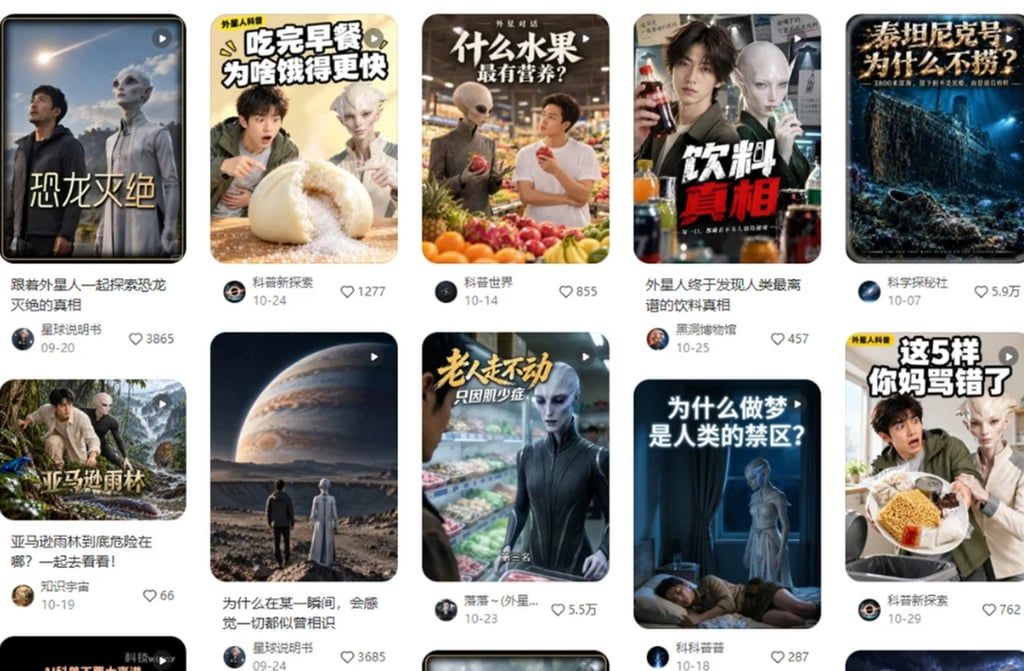
One online observer commented: “Likes don’t equal credibility. Many videos simply weaponise trivia to stoke panic.”
“Some of the advice offered by these ‘aliens’ is sound, but the reasoning behind it is complete nonsense,” said another.
On November 4, Wanxiang Science addressed the spread of misleading alien videos.
Ace lamented that while the channel spent hours refining each script, copycats replicated the format within minutes to peddle sensationalist claims for traffic.
“They can mimic our style,” the avatar said, “but they cannot replicate our ideas, nor our reverence for scientific truth.”
In China, spreading false information may result in administrative penalties.
The boom in AI-generated alien pseudoscience echoes an earlier regulatory crackdown on live-streamers who donned white coats to pose as medical professionals while selling supplements with unproven health benefits. -- SOUTH CHINA MORNING POST