
BEIJING (SCMP): “Woo-hoooo!” The cheers swirled as Wu Yibing ended the rally with a blistering forehand winner down the line. The first syllable was emphatically articulated, signalling that this was an intentional play on Wu’s last name, not a random shout after one too many honey deuces.
It was Wu’s second-round match against Australian James Duckworth at the US Open earlier this month. Wu’s most vocal supporters turned out to be three white Americans sitting behind the baseline.
Widely considered the most talented Chinese man on tour, Wu is the first Chinese player to have won an ATP Tour title. Although his career has been plagued by injury, he can deliver inspired tennis when healthy. Against Duckworth, he was proactive in redirecting balls. The seemingly straightforward shots were risky and required an exquisite touch.
Wu is perpetually online when he is not on court and has endeared himself to his fans on RedNote (Xiaohongshu). When an earnest post asked whether any good-looking players were left in the draw after Briton Jack Draper withdrew, Wu resolutely answered in the comments: “Me.” Following his first-round win, he leaned into the gag by posting a spoof press release referring to himself as “Chinese hunk Wu Yibing”.
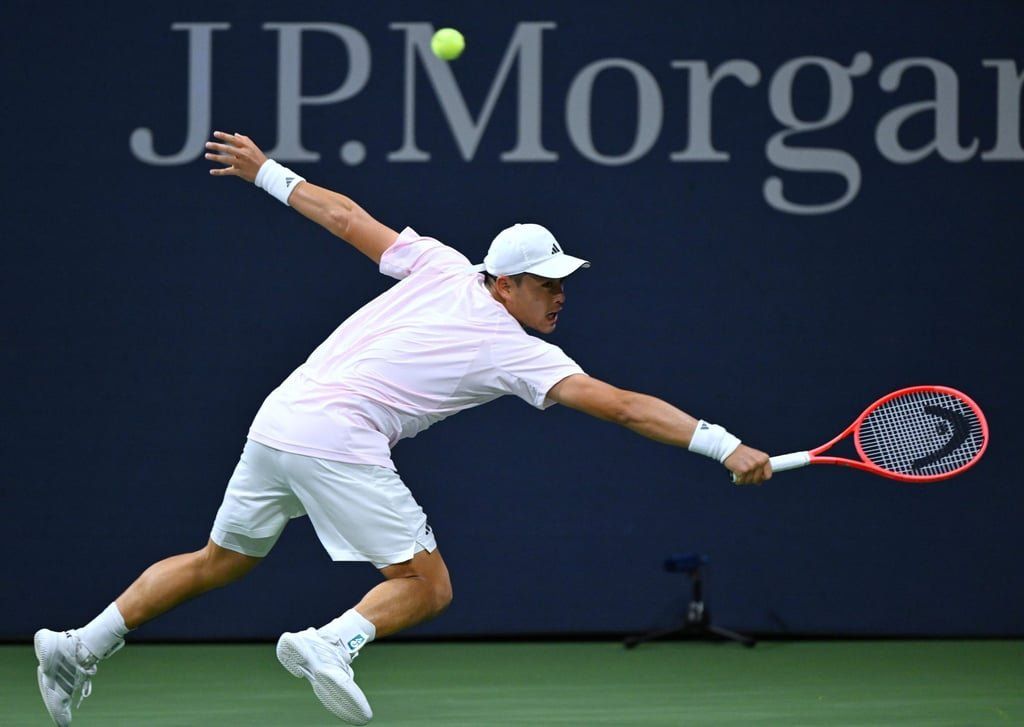
Between points, a Chinese woman behind me filled in a cluster of curious fans on Wu’s humour, prompting guffaws and even more raucous cheers for him.
Courtside, nationality seems both important and beside the point. Wu’s name gave the Americans in front of me an irresistible chant, while the woman behind me supplied the Xiaohongshu lore. But once the ball was in play, what mattered was the audacity of his shot-making. They weren’t cheering for China. They were cheering for Wu.
Earlier in the day, another Chinese player, Bu Yunchaokete, who also goes by Bert, pulled off an upset against Spaniard Rafael Jodar. Before we found seats in the stadium, I had warned my friend that it could be a swift exit for Bu, given Jodar’s form. In the event, Bu closed it out decisively, before we could filter back in, after a rain delay, to witness the match point.
The ethnic Mongolian’s dark complexion and rambunctious name draw equal parts fascination and confusion. “Is that dude Chinese?” someone murmured near me.
Technically, Bu isn’t his surname. By Mongolian convention, the entire name functions as a given name. On maps of China, regions with large ethnic minority populations often adopt romanisations rooted in local languages rather than standard pinyin, producing city names like Urumqi and Hohhot. Regrettably, these considerations are not applied to people.
Born in Xinjiang, Bu moved to Zhejiang at age five to train and was drafted into the provincial team. International audiences have long viewed Chinese athletes through the tired lens of this rigid state-sponsored system. Yet tennis has always been an awkward outlier in that framework because of the massive prize money, endorsements and global fame that come with it.
In a hybrid model, Bu and Wu have roots in the state system but also the independence to hire international coaches, physiotherapists and managers.
That freedom was hard-won. When Li Na, Asia’s first Grand Slam singles champion, pushed to leave the state system, it provoked debate over whether she owed something to the system that nurtured her. Eventually allowed to manage her own career following her success at the 2008 Beijing Olympics, Li pioneered a model that subsequent generations of Chinese tennis players could emulate.
Today’s youngsters relish the freedom to simply be themselves. It helps that tennis is an inherently personal game and offers athletes a platform to speak their minds on and off the court.
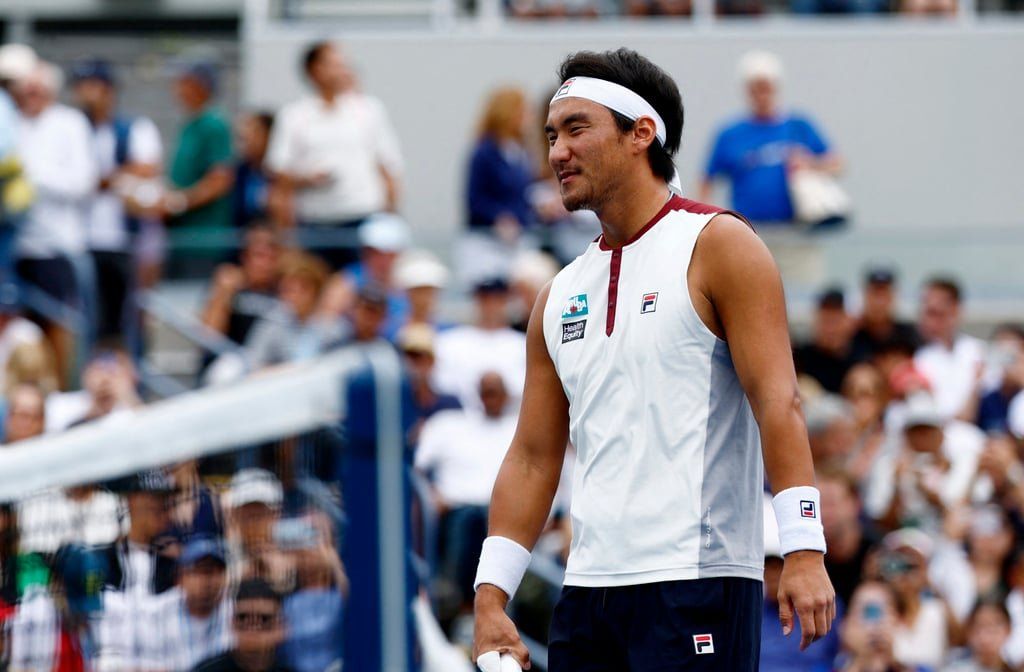
Li’s more important legacy was perhaps showing Chinese athletes they could unapologetically be themselves. Her candour was something to behold, whether she was openly venting at her coach-cum-husband Jiang Shan in Wuhan dialect on court or joking about his snoring in English during a post-match interview.
Growing up, I recognised in Li the directness and resilience often associated with the women of Hubei province, shaped as much by the relentless summer heat as by their decisive role in the household and the fierce competition inherent in an inland trading port. Her impatience took flight most easily in our local tongue. Her tone often triggered memories of being shouted at by my mother to stop procrastinating on summer homework.
"International audiences have long viewed Chinese athletes through the tired lens of this rigid state-sponsored system. Yet tennis has always been an awkward outlier in that framework."
Nowadays, Zheng Qinwen, the Olympic gold medallist also from Hubei, shows the same spirit. At this year’s US Open, she came back from a 0-5 deficit, twice, to defeat Grand Slam champions Madison Keys and Iga Swiatek before falling in a tight three-setter to the eventual winner, Elena Rybakina.
Zheng speaks plainly too. Previously, she made headlines by admitting she wasn’t in the sport to make friends. And during her US Open run, she brushed off the criticism she had faced while recovering from injury.
Wu, Bu and Zheng grew up in different circumstances and have developed entirely different relationships with competition and public life. From afar, they can appear as a cohort, their names accompanied by the same flag on the scoreboard. Up close, they are nothing like one another.
One player inspires strangers to yell a pun on his name. Another leaves spectators wondering where in China he could possibly be from. A third reminds me of the women I grew up around.
Then the point begins, and each must figure out alone what to do with the ball. -- SOUTH CHINA MORNING POST