




In the second of our series of previews on the five-year plan and policy address, to be announced on September 16, Elizabeth Cheung and Vivian Au drill down on what’s holding back the Northern Metropolis.
For employees of surgical robotics company Yuanhua Tech, travelling between their Shenzhen base in Nanshan district and its Hong Kong office in the Science Park means a two-hour commute.
And when the hi-tech firm sends money to Hong Kong for operations, the process can take up to two months.
“The procedures required for transferring funding from our Shenzhen headquarters to Hong Kong headquarters are very complicated ... sometimes when we are urgently in need of money, there could be delays,” said Max Meng Qinghu, the company’s chief scientist.
But the Hong Kong office will move into the Hong Kong-Shenzhen Innovation and Technology Park at the border with mainland China, part of the wider Hetao cooperation zone at the Lok Ma Chau Loop, by the end of this year. By then, those challenges could be addressed.
All eyes will be on the measures city leader John Lee Ka-chiu announces in the city’s first five-year plan and his policy blueprint next Wednesday to facilitate the flow of personnel, capital, data and materials, such as biosamples, across the border within the zone.
Experts stress that the timely movement of the four elements is critical to the park’s success. Major streamlining in these areas could resolve current bottlenecks in research, recruitment and operations, unleashing the full potential of hi-tech companies and boosting the zone’s overall appeal.
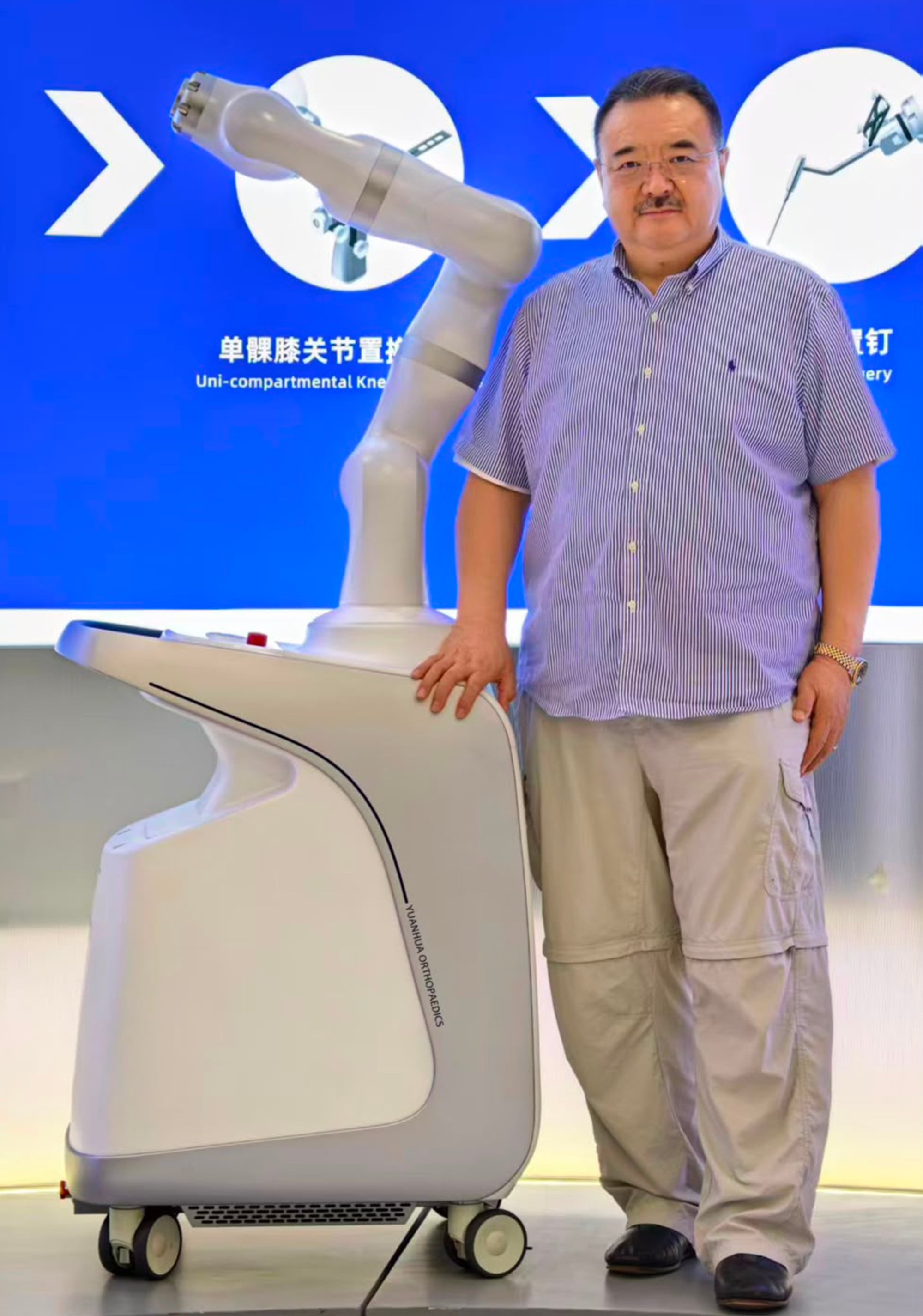
With the barriers removed, Meng expected travel time between the company’s offices in the Hetao area and Shenzhen to be cut by half.
“This could raise efficiency ... and would be very favourable to staff who need to commute daily,” he said.
Currently, the company relies more on mainland talent, as it requires workers with engineering backgrounds, hospital experience and a deep understanding of robotics.
But Meng said the benefits went far beyond convenience for staff. The company, founded by his wife Lily Meng Li Aili in 2018, planned to set up a manufacturing base in Hong Kong, while the supply chain for parts used to produce surgical robots would remain in Shenzhen.
“With a base in Hetao, closer to Shenzhen, we have faster access to the supply chain, with higher efficiency,” he said.
While Shenzhen offers cheaper components and greater efficiency in research and development, the company hopes that a manufacturing presence in Hong Kong will make it easier for its products to enter international markets.
The national 15th five-year plan, released in March this year, called for accelerated development of emerging strategic industries and new drivers of economic growth. It covers artificial intelligence (AI), quantum technology, biotechnology, robotics, aviation and aerospace, and new energy, while stressing the need for translational applications.
The six pillar industries selected for the Hong Kong park in the cooperation zone – life and health technology, AI and data science, new energy, new materials, microelectronics and robotics – dovetail with the national plan’s goals. The park is also slated to become the first test bed for the seamless cross-border flow of the four elements.
Beijing’s top official on Hong Kong affairs, Xia Baolong, visited the park in June, underlining the central government’s determination to make it a success.
As home to the new innovation park, the Northern Metropolis aims to diversify Hong Kong’s economy through technology. Beyond driving the next stage of development, the megaproject will create skilled jobs and learning opportunities for youth while improving quality of life with larger homes.
Last week, the park attracted six bids from five conglomerates and technology firms specialising in cutting-edge technologies in its first land tender. Sources said the bids involved AI, quantum technology and semiconductors.
The number inevitably drew comparisons with the two bids received in July for the Hung Shui Kiu logistics hub, another zone within the Northern Metropolis megadevelopment.
The better-than-expected response is seen as a key milestone and a bellwether for the megaproject, which aims to diversify the city’s economy by establishing a major innovation and technology (I&T) industry.
The megadevelopment is expected to accommodate 2.5 million people with more than 900,000 flats and provide about 634,000 jobs.
Professor Tim Cheng Kwang-ting, vice-president for research and development at Hong Kong University of Science and Technology (HKUST), said Hetao’s competitive edge would rest on seamless cross-border integration of the four key elements under the “one country, two systems” governing framework.
He added that while Hong Kong provided an international environment, common law protection and global financial connectivity, Shenzhen offered an unrivalled supply chain, rapid prototyping capabilities and massive industrial scale.
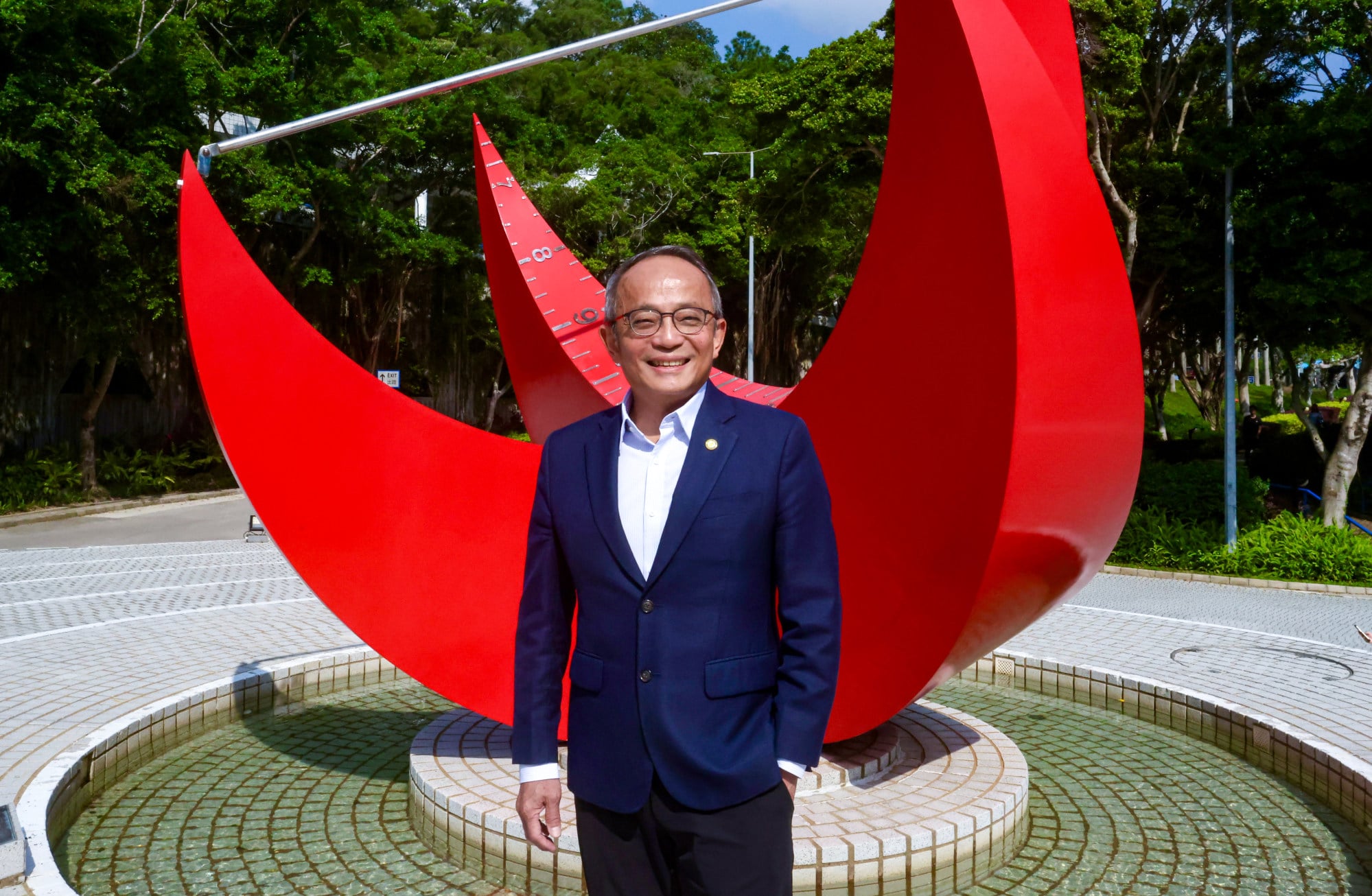
“If Hetao can establish the policy framework to unlock the free flow of talent, capital, data and technology, it offers a unique, irreplaceable advantage that no other innovation hub in the world can replicate,” he said.
He noted that establishing the right policy framework to blend international talent, facilitate the free flow of capital into the region and enable seamless cross-border data transfers would be the most critical catalysts for the park’s near-term success.
Players in the biomedical sector, one of the strategic areas to be developed in Hetao, also envisaged how research in Hong Kong could prosper if the four flows were approved.
Professor Ian Wong Chi-kei, of the University of Hong Kong’s department of pharmacology and pharmacy, expected research into rare diseases and genomics, as well as clinical trials, to benefit if biosamples and data from the mainland were made accessible to the city.
He said given the mainland’s vast population, its pool of patients with rare diseases would be larger than Hong Kong’s, providing valuable research data.
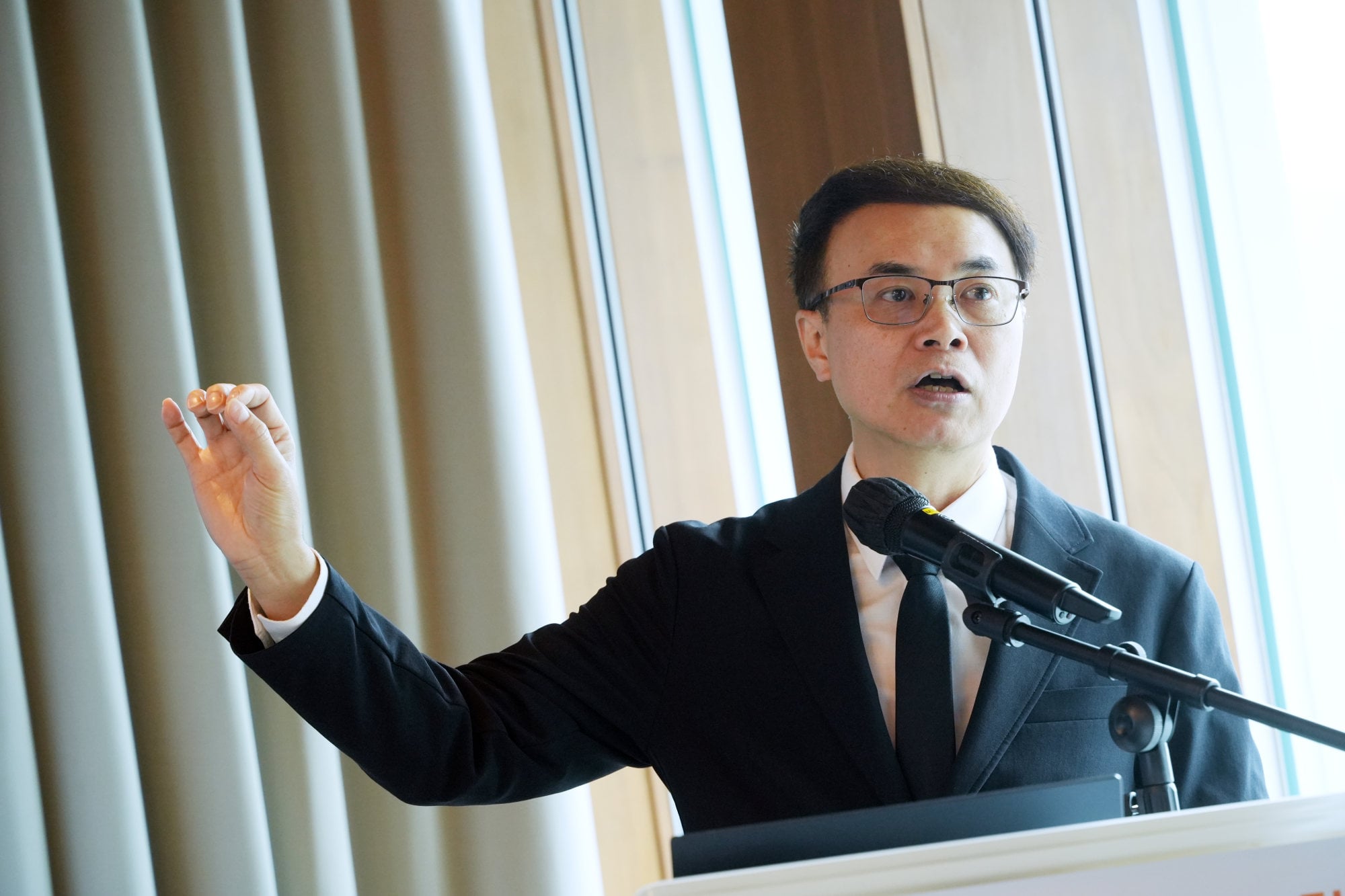
For example, Hong Kong researchers could collect blood samples from mainland patients taking part in clinical trials and examine how an experimental drug affected cells in their blood, he said.
“This is the first step to enhance our power to conduct this research ... as well as clinical trials,” he said. “Hong Kong will benefit more than the mainland.”
Lawmaker Johnny Ng Kit-chong, chairman of the innovation and technology panel in the Legislative Council, said the free flow of data could also benefit AI development.
“The three main components for AI are computing power, algorithm and data. Without data, it’s useless to have just computing power,” he said.
“If mainland data can be used in the Hong Kong park of Hetao, training of large language models could be possible ... this will add to Hong Kong’s uniqueness.”
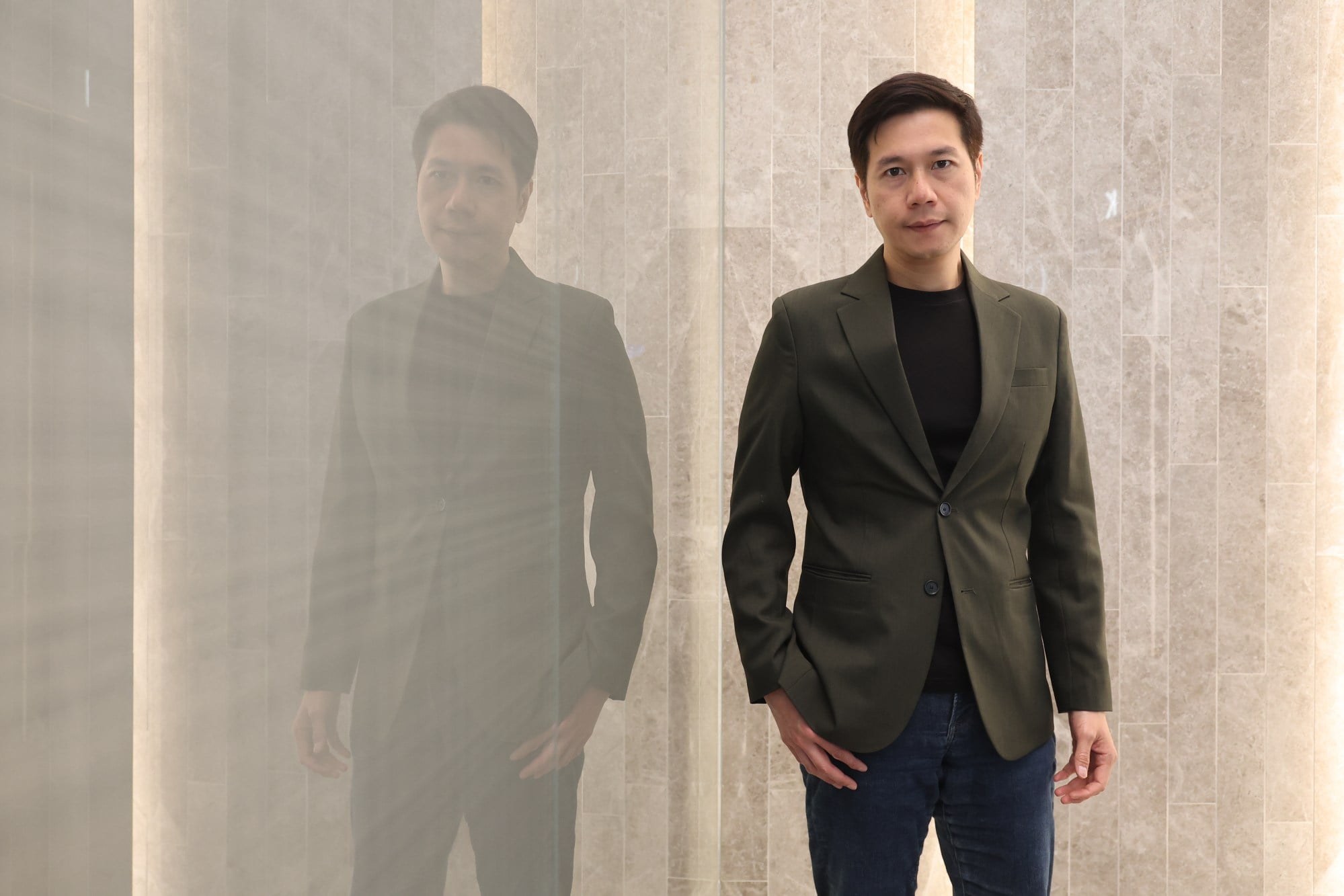
He added that the city also lacked middle-tier engineers, including those involved in software and AI development. The free flow of talent would allow companies in Hetao to recruit experts from Shenzhen.
Another bottleneck, according to lawmaker Duncan Chiu, is that some components required for robotics could take several months to clear Hong Kong procedures before they could be transported from the mainland to the city.
The lengthy process involved the registration and safety inspection of parts required by Hong Kong authorities, such as the Electrical and Mechanical Services Department, he said.
Chiu, who represents the technology and innovation sector, said a “green channel” could provide streamlined arrangements for transporting such materials across the border. But he stressed that a mechanism was also needed to guard against illegal activities.
“You have to be careful that some people would make use of the ‘green channel’ to smuggle materials. So there should be a mechanism to prevent illegal activities,” he said, adding that authorities could consider monitoring the frequency and quantity of cross-border materials.
The lacklustre interest among local developers in the megadevelopment more broadly is also a growing concern, as insufficient capital investment could hold back I&T development.
Colliers head of research and retail Kathy Lee, who is also a planner, said the Northern Metropolis must not rely on a one-size-fits-all model.
“Instead, execution strategies must remain flexible, tailoring specific demands of developers for different land parcels,” she said.
Lee noted that the coming large-scale land parcels in the megaproject would require participation by a wide range of consortiums, given their sheer scale and complex infrastructure needs.
Asked whether the reluctance of local developers to participate could slow the megaproject, Lau Siu-kai, a consultant to the semi-official Chinese Association of Hong Kong and Macau Studies think tank, said the government and developers should both take the plunge, even as they continued to explore the most suitable development models.
Two years ago, at a meeting with Xia, 85 business heavyweights pledged to participate in the mega development after he called on them to take part in wider reforms and help the city navigate global changes.
“It is inevitable that the government and the private sector must take on some development risks and share the venture [to take the project forward],” Lau said. -- SOUTH CHINA MORNING POST


