




A deep-dive interview between filmmaker Christopher Nolan and Chinese doctoral student podcaster Zhongshu about his new film, The Odyssey, has gone viral worldwide, amassing over 20 million views.
Building on his Oscar-winning success with Oppenheimer, Nolan has turned his attention to Homer’s Odyssey, a cornerstone of Western literature. His latest film chronicles the Greek hero Odysseus as he embarks on a prolonged journey home to Ithaca following the Trojan War, while his wife and son fend off suitors eager to claim his throne.
Nolan attended the film’s China premiere in Beijing on July 30. The following day, he sat down with Zhongshu – an online alias for Zhuge Yiyang, a PhD candidate in political philosophy at Boston College.
During the 17-minute interview, the two engaged in a rich discussion on themes of civilisational decline, heroism, and contemporary film criticism.
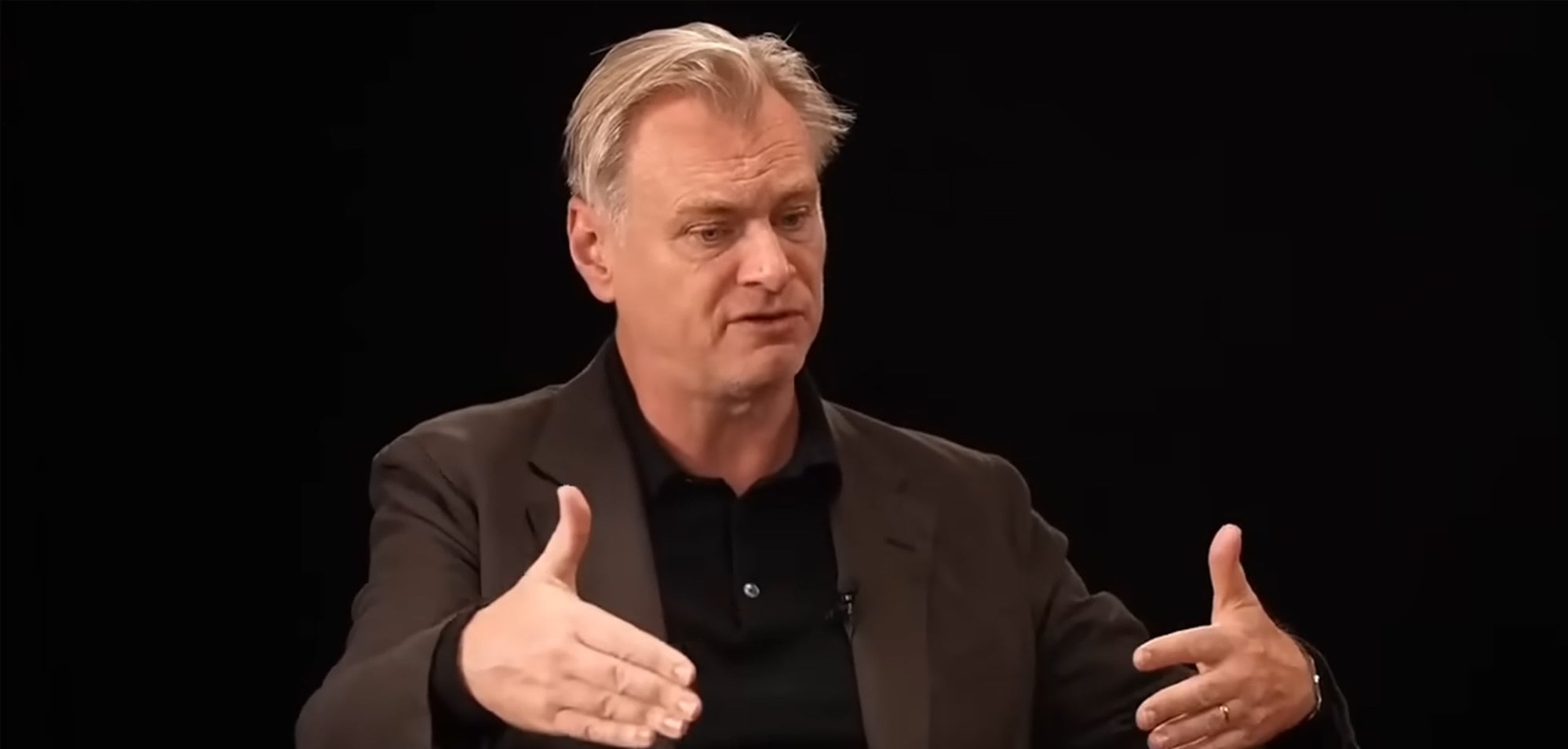
Zhongshu began by characterising Nolan as “a bard for a civilisation at dusk.” She contended that, just as Homer preserved the memories of Odysseus, Achilles, and Agamemnon, Nolan has reshaped modern audiences’ perceptions of iconic characters like Batman, the Joker, and Robert Oppenheimer.
Nolan remarked that his storytelling somewhat aligns with Homer’s, as both explore cycles of collapse and rebirth. He expressed a particular fascination with the Bronze Age collapse that underpins Homer’s epic and emphasised integrating Oppenheimer’s themes of civilisational destruction into The Odyssey.
The dialogue then shifted to the notion of whether Nolan had “Christianised” Odysseus by framing his journey as an act of “atonement” – a concept that, as Zhongshu noted, is absent in Greek culture.
Nolan clarified that his focus centred on Xenia, the Greek code of hospitality, represented in the film as “Zeus’s Law.” The belief that any stranger might be a god in disguise establishes mutual respect as a cornerstone of civilisation.
However, the Trojan horse subverts that trust, transforming it into a weapon. For Nolan, the breach of Xenia serves as a modern warning: when respect for others deteriorates, civilisation risks unravelling.
In the interview’s most widely circulated exchange, Zhongshu inquired whether cinema can still depict greatness in an era that demands public figures to apologise, reflect, and engage in self-criticism.
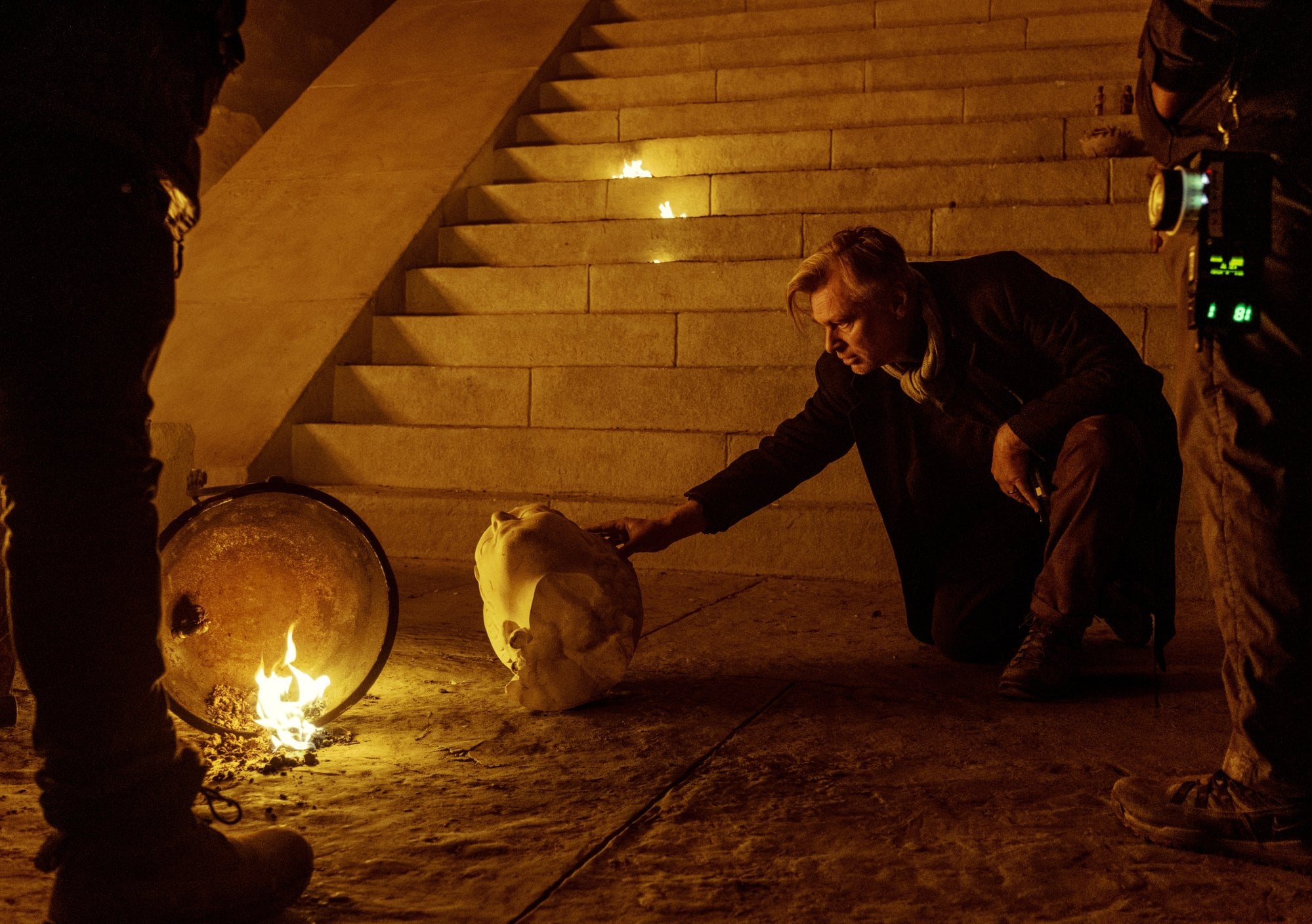
Nolan responded that filmmakers inevitably draw upon narrative conventions that resonate with audiences while remaining aware of the dynamic between creative intent and audience interpretation – even when critics subsequently challenge those conventions.
“The fact that the mechanism is identifiable does not invalidate its use,” he emphasised.
Veteran television presenter Geoff Keighley reposted the interview on August 1, labelling it “fascinating and smart.”
Zhongshu later noted that Nolan and senior Universal Pictures executives expressed their enjoyment of her questions.
The global online reaction was overwhelmingly positive. Some viewers dubbed it “Nolan’s best interview,” asserting it surpassed other promotional coverage of the film, much of which had centred on the cast and IMAX technology. Others contrasted its intellectual substance with Hollywood’s traditional focus on celebrity gossip and gaming.
“China is not only overtaking the US in technology but also in understanding the West,” one user commented.
An Argentine viewer quipped: “If Nolan visited here, he would probably just be asked if he liked dulce de leche (Argentina’s iconic sweet milk caramel spread).”
Reflecting on the interview’s success, Zhongshu remarked: “A truly good interview has become a rare luxury.”
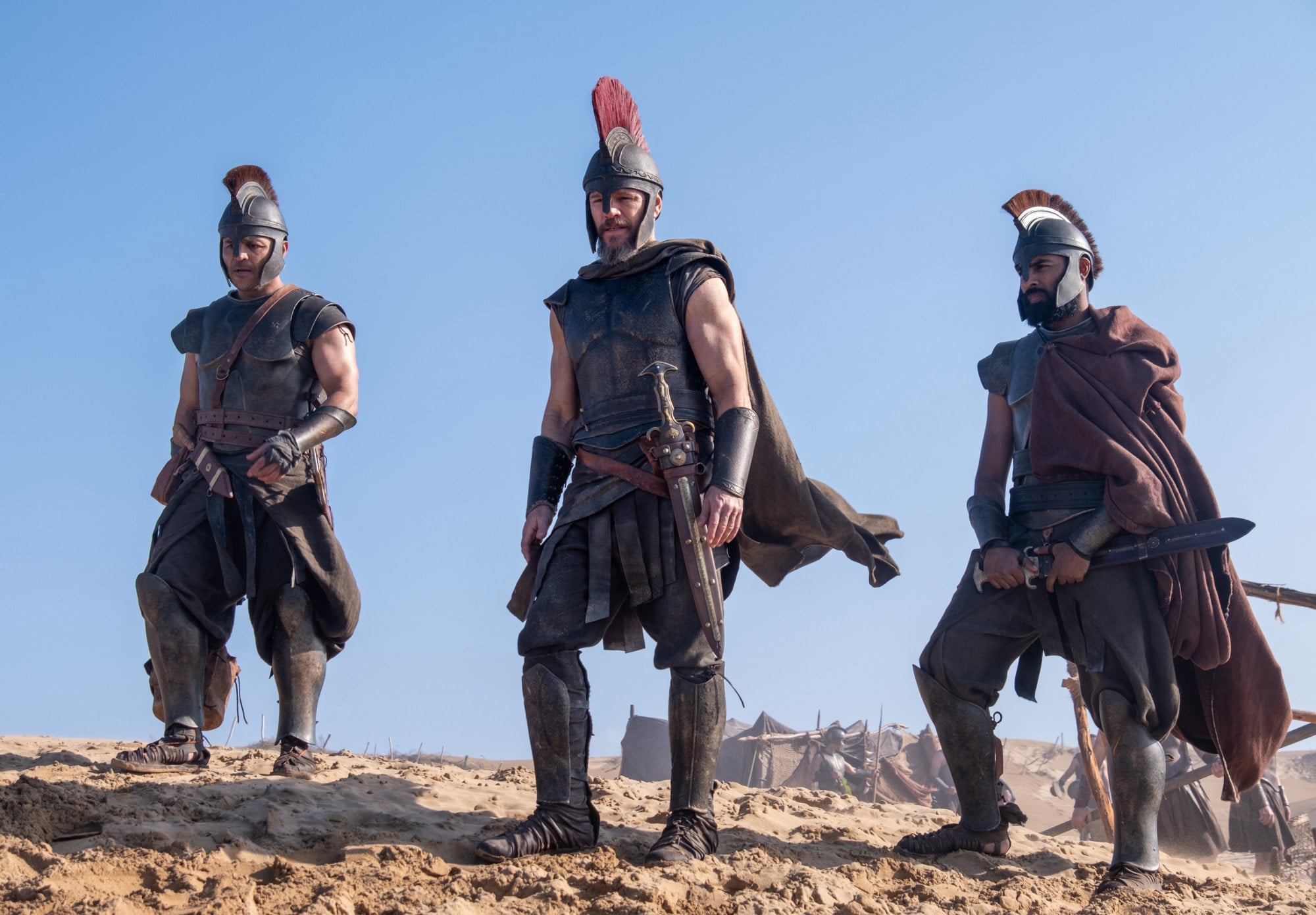
She insisted that she merely avoided flattery, gossip, and forced humour, favouring a serious discussion about film and creativity instead.
The global response also prompted some American viewers to contemplate anxieties surrounding their own popular culture and education system.
However, Zhongshu warned that the accolades could also lead to distortions. As the clip circulated, she found herself simplistically framed as a “China lady” or portrayed as a humble, erudite, and mysterious scholar from the East.
“In just 17 minutes, the internet’s various tribes dissected the interview like a whale,” she noted on her latest podcast. “Each extracted the segment that resonated most with them.”
One Chinese commenter critically observed: “Television has replaced serious news with shouting matches, while the internet has failed to democratise knowledge. In a desert, an oasis becomes a spectacle.” -- SOUTH CHINA MORNING POST


