As the People’s Liberation Army marks its 99th anniversary on August 1, one year from the deadline for its centenary goals, its evolution highlights the past, present and future of China’s military strategy. In the first part of a series, Liu Zhen examines how the PLA’s strategies have developed from guerrilla warfare to hi-tech conflict.
In April 1932, Xi Zhongxun, 18, led the newly formed Fifth Detachment of the Red Army’s Shaanxi-Gansu Guerrilla Force marching in the mountains in Yongshou county, Shaanxi province.
Reorganised by the young communist from a mutinous battalion of the local warlord’s Northwest Army, the 200-strong unit was trying to link up with another Red Army force nearby.
According to accounts by Xi and others, the soldiers lacked training and were equipped with a motley selection of weapons – mostly outdated bolt-action rifles and a few machine guns, but no artillery. They also had chronic shortages of clothing and footwear, food and ammunition.
The Communist Party’s political work boosted their discipline and morale, but equipment and logistical difficulties remained – and if anything, worsened over time.
Ultimately, exhausted and out of food and munitions, the troops were overwhelmed by local bandits and forced to disperse.
More than 80 years later, Xi’s son, Xi Jinping, assumed command of the People’s Liberation Army (PLA) and pledged to build it into a “world-class military” by the middle of this century.
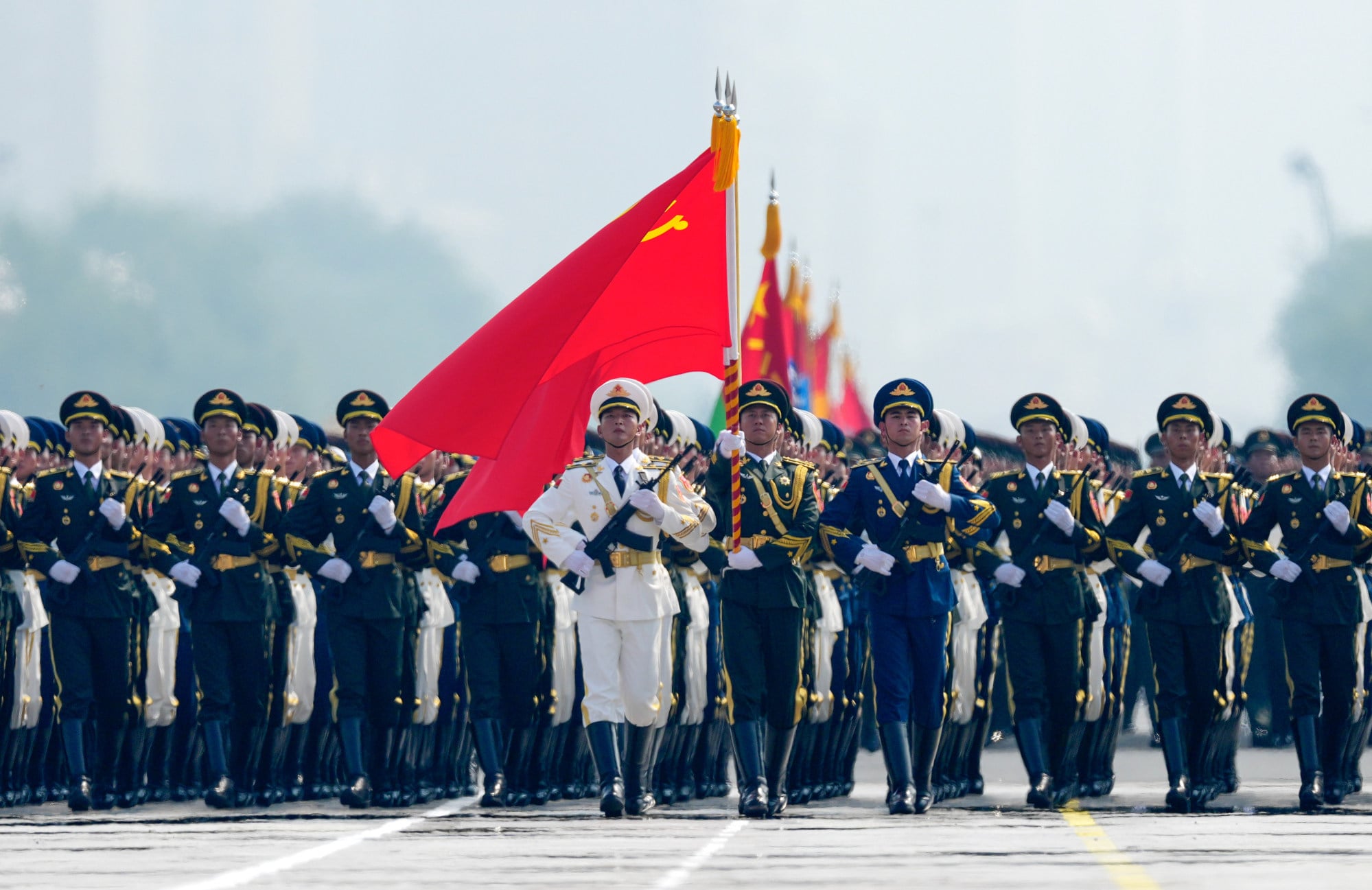
As it counts down to its centenary on August 1, 2027, the PLA is generally regarded as having achieved “world-class” status in areas such as the air force’s stealth fighters and drones, the navy’s advanced surface combatants and the rocket force’s diverse ballistic missiles – capabilities of a kind the 18-year-old Xi Zhongxun could not have even imagined while fighting for the survival of his unit in 1932.
‘Millet plus rifles’
The fate of Xi’s detachment reflected the typical challenges that had beset the party’s armed forces for decades.
Since its founding by a band of ill-equipped revolutionaries fighting an uprising in Nanchang on August 1, 1927, the Red Army – which reorganised as the Eighth Route Army and New Fourth Army from 1937 to 1945, and later the PLA – was usually poorly armed and heavily outnumbered by their enemies, from regional warlords and the Japanese to Chiang Kai-shek’s National Revolutionary Army.
Their equipment was an assortment of weapons from various sources, with munitions sourced largely from battlefield captures and heavy weapons in short supply. Most of the soldiers came from impoverished backgrounds, with little or no formal military training, and many had not even received a basic education.
Such an army, having little more than “millet plus rifles” – as Mao Zedong put it – was far from an elite force, let alone a “world-class military”.
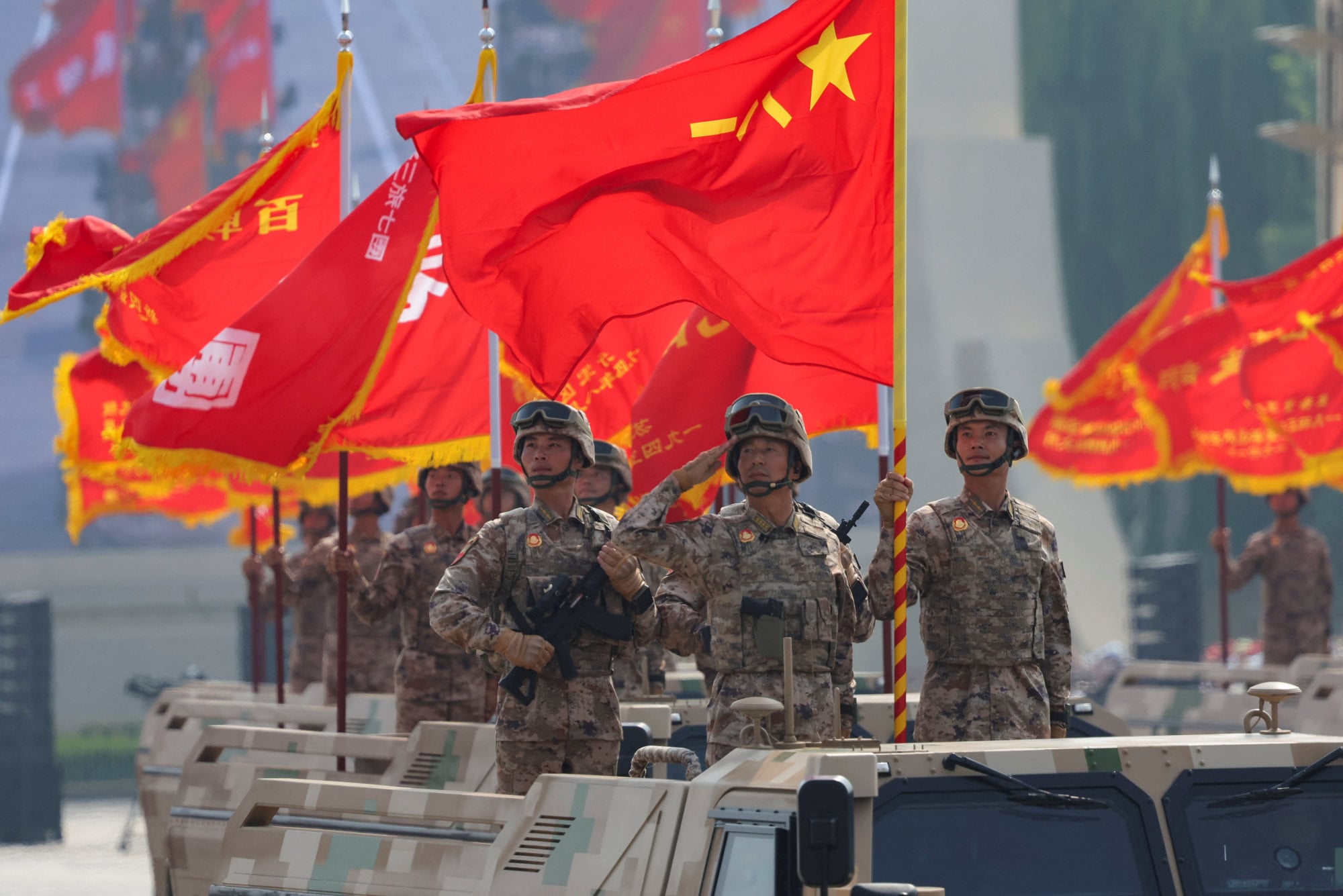
To survive and win from a disadvantaged position, Mao developed a set of guerrilla warfare doctrines, compensating for inferiority in numbers and equipment through superior mobility, flexibility and deception. These doctrines came to define the communist forces in the years that followed.
Sustaining such an approach was impossible without extraordinary organisation, iron discipline and unyielding willpower among the soldiers, all of which depended on strong political work.
According to Ni Lexiong, a professor of political science at the Shanghai University of Political Science and Law, one of the most important institutional developments in the PLA’s history was the 1927 Sanwan reorganisation, soon after the founding of the Red Army.
“[The Sanwan reorganisation] established Communist Party branches at the company level and strengthened the party’s political control over the military,” Ni said.
The political commissar system, under which party officials are embedded throughout the military command structure, was borrowed from the Soviet model and later adapted into a unique dual-leadership system at all levels.
It remained a central mechanism for ensuring the PLA’s political loyalty and maintaining the party’s absolute leadership over the armed forces, Ni added.
From hardship to hardware
During American journalist Harrison Forman’s visits to the communist headquarters in Yanan in 1937 and 1944, he documented residents manufacturing improvised landmines from stones, while posters of American aircraft carriers and submarines were displayed on the walls of their cave dwellings.
The posters also featured battleships, tanks, airships and seaplanes, covering everything from equipment schematics to structural principles, as the Red Army was determined to keep track of the most advanced global military technology amid severe hardships.
It was a testament to the force’s ambitions – even before it defeated its adversaries and established the People’s Republic on the Chinese mainland in 1949. But the PLA’s ambitions were constrained by the country’s economic base.
While China was poor and weak, Mao and Deng Xiaoping focused on defending the mainland. As the economy grew and military budgets increased, later leaders, starting with Jiang Zemin, were able to pursue PLA modernisation, suggested Joshua Arostegui, chairman of China studies at the China Landpower Studies Centre at the United States Army War College.
Having established the navy and air force in 1949, the PLA launched a drive towards “mechanisation” in the 1950s, spurred by the painful experience of the Korean war (1950-53).
Exposed to the reality of being “rich in spirit but short on steel” in its fight against the US, the world’s foremost industrial superpower, the PLA turned to the Soviet Union, its long-term supporter, for help in the Cold War.
On the hardware front, China imported, fielded and eventually put standardised Soviet-designed weaponry into domestic production – from Type 56 assault rifles based on the AK-47 to Type 59 tanks based on the T-54, and from J-5 fighters based on the MiG-17 to DF-1 missiles based on the R-2. This laid the foundation for China’s defence industry, according to Ni.
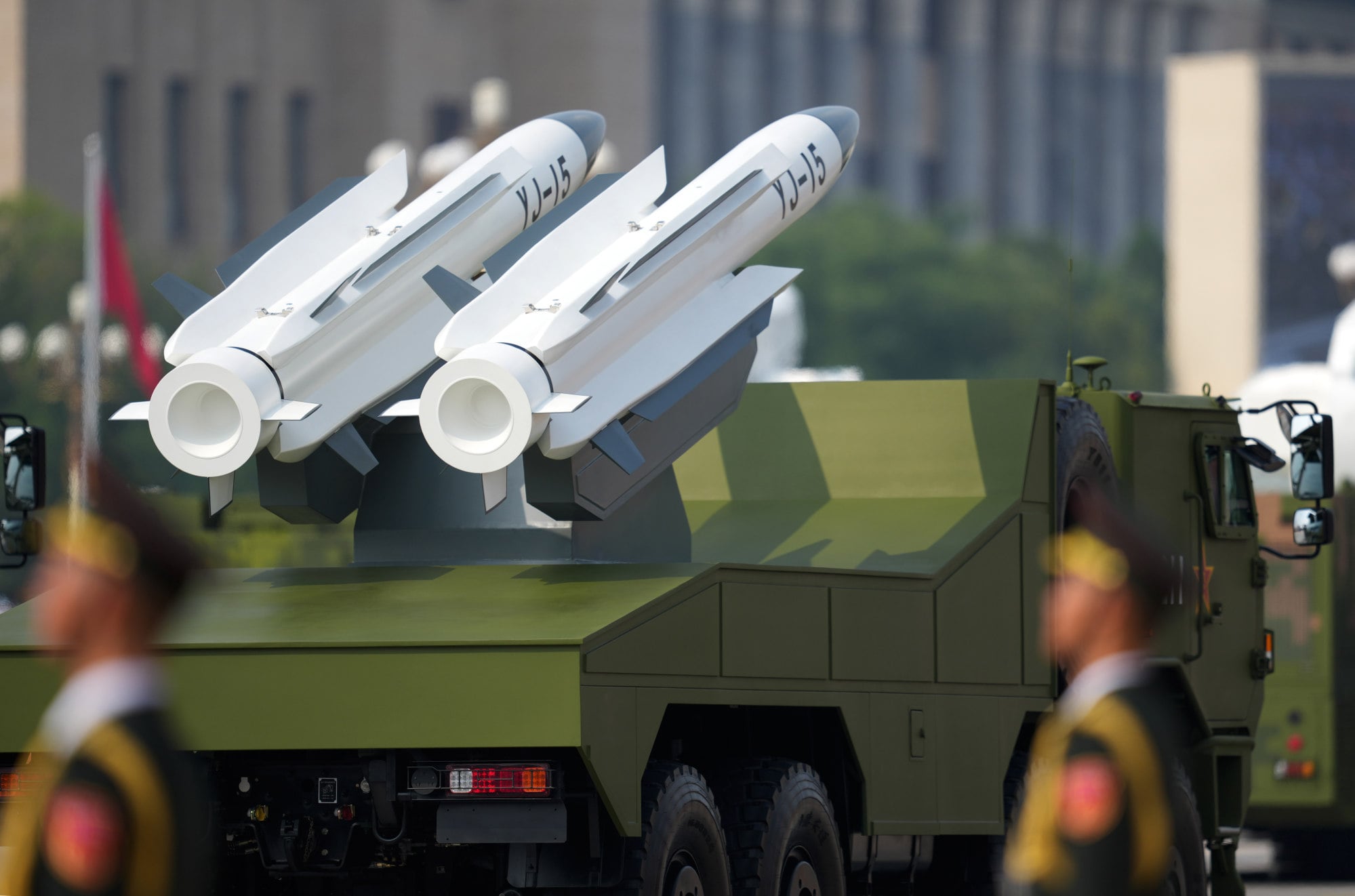
The Soviets also helped with the PLA’s organisational model and operational doctrine. Thousands of Soviet advisers worked alongside the military, Chinese officers trained at Soviet military academies, and Soviet educational institutions and technological know-how became the foundation of the PLA’s modern military establishment.
“At the time, the military’s tactical organisation and training, and even its ideological system, were deeply influenced by the Soviet Union,” Ni said.
Nukes and satellites
That momentum came to a halt in the 1960s, when relations with Moscow soured. China suddenly found itself isolated under nuclear pressure from both the US and the Soviet Union.
While millions of PLA troops prepared for the possibility of a major war, scientists and military engineers worked in secrecy deep in the Gobi Desert on the “two bombs, one satellite” programme.
In October 1964, a mushroom cloud from China’s first atomic bomb bloomed over Lop Nur in Xinjiang. Two years later, in 1966, a nuclear warhead was successfully combined with a ballistic missile, prompting the PLA to establish its fourth service – the Second Artillery Corps, the predecessor to today’s rocket force – to operate its nuclear arsenal.
This was followed by a series of Chinese milestones – the hydrogen bomb in 1967, the first satellite in 1970, the nuclear submarine in 1974, and the successful tests of intercontinental ballistic missiles and submarine-launched ballistic missiles by 1982. Although still technologically behind the superpowers, the PLA had finally established a basic nuclear deterrent.
By the time China’s strategic nuclear shield had taken shape, warming relations with the US and wider West had opened a window of opportunity in the 1980s, allowing the Chinese military access to newer Western technologies. More importantly, the improved security environment allowed then leader Deng Xiaoping to redirect the nation’s focus to economic development, delivering unprecedented growth and eventually making China the world’s second-biggest economy.
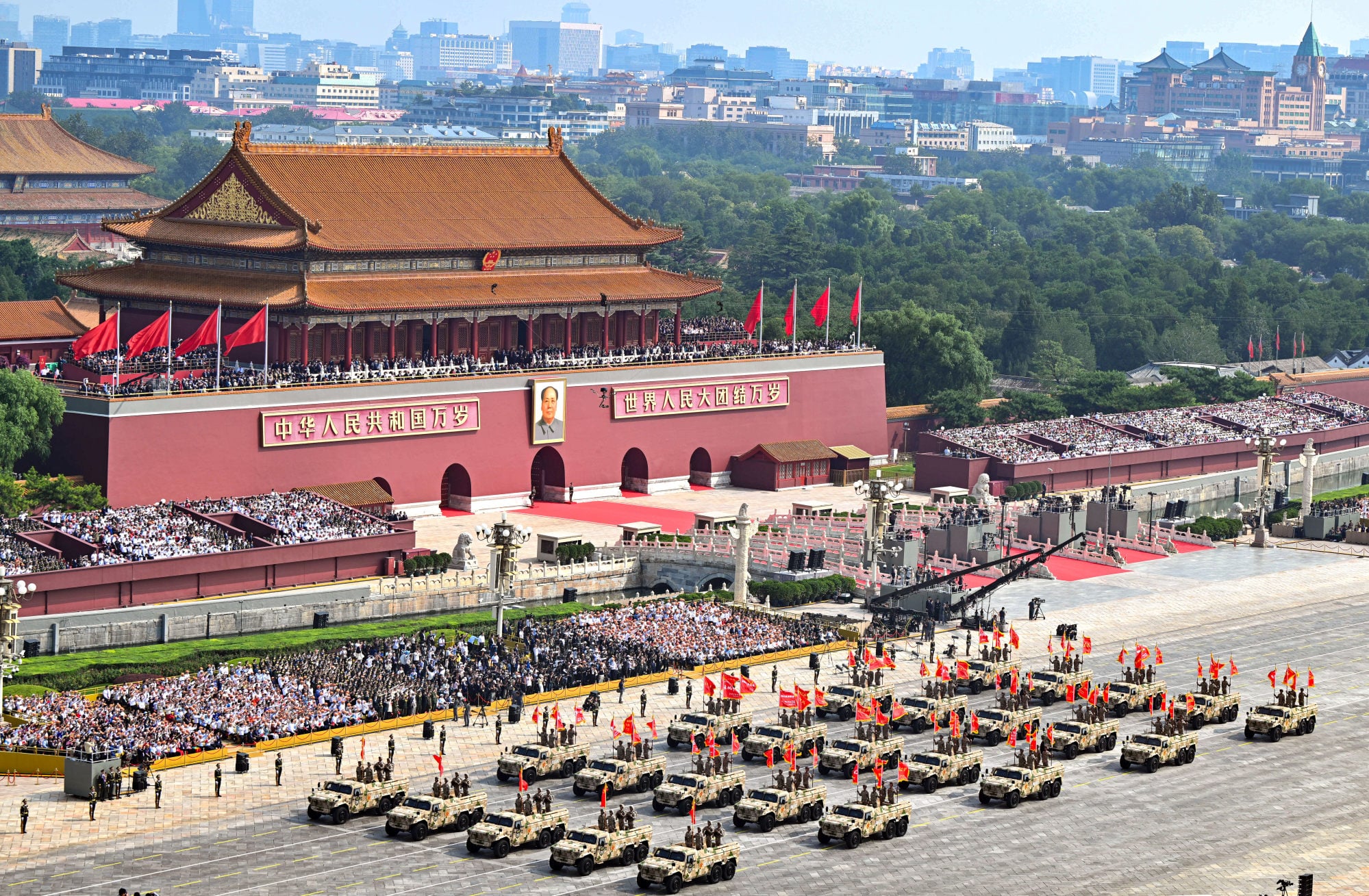
With the immediate threat environment easing, defence budgets were slashed, and the PLA was reduced by one million troops.
Ni said several rounds of military downsizing, launched since the Deng era, had laid the foundation for the transformation of China’s armed forces.
“Even when measured solely in terms of mechanisation and information-based force development, there had previously been a serious imbalance between the PLA’s logistical and support personnel and its combat forces,” he said.
The Gulf war shock
In the winter of 1991, the US-led coalition’s performance in the Gulf war sent shock waves around the world. The PLA watched with alarm as the Iraqi military – whose homeland defence doctrine and Soviet-supplied hardware closely resembled China’s own – was systematically blinded and dismantled within weeks by precision-guided munitions and electronic warfare.
“The overwhelming superiority of the entire US military system left the PLA at the time with a profound sense of technological inferiority and frustration,” Ni said. “It convinced the PLA that major reforms were necessary and that it needed to study both the [US military] system and the technologies behind it.”
Since then, the force has increasingly turned to the US as “the most important benchmark and the principal force it has sought to catch up with”, he said.
Arostegui also noted that the Gulf war prompted the PLA to revise its military strategy in 1993, shifting its focus to preparing for “local wars under high-technology conditions”.
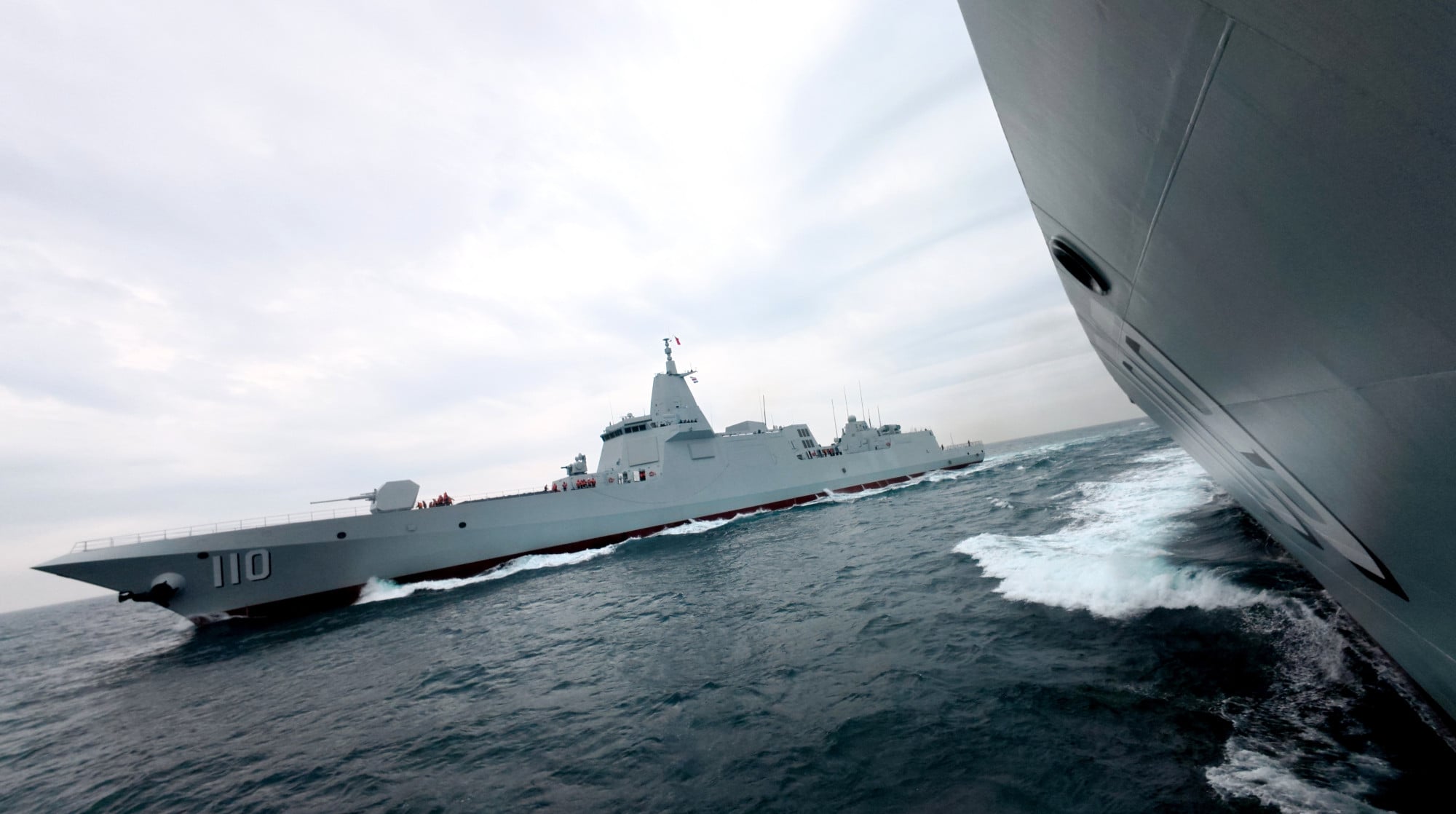
That awareness, he said, was reinforced in the 1995-96 Taiwan Strait crisis, when the deployment of two US aircraft carrier battle groups forced the PLA to back down from its military exercises near Taiwan. The 1998-99 Kosovo war, particularly the US bombing of the Chinese embassy in Belgrade, further underscored the lesson.
“We first saw transformation truly begin in the late 1990s – but primarily in technology rather than professionalisation,” Arostegui said, adding that the country’s economy was finally able to support those efforts.
From 1999, China’s military spending grew at double-digit rates for more than a decade, fuelling an unprecedented military build-up. Through the late 2000s, the PLA acquired a wide range of Russian weapons, including Sovremenny-class destroyers, Kilo-class submarines, Su-30MKK/MK2 strike fighters and S-300 surface-to-air missile systems, as well as the unfinished Kuznetsov-class aircraft carrier Varyag from Ukraine.
At the same time, the force accelerated development at home of major platforms, fielding DF-31 intercontinental ballistic missiles, Type 093 nuclear-powered submarines, J-10 fighter jets, Type 96 and Type 99 main battle tanks, and PHL-03 multiple rocket launchers.
“The equipment made the PLA look more capable, but it [remained lacking] in more important areas that limited its effectiveness – specifically ‘jointness’, command and control, and force projection capabilities,” Arostegui said, referring to the PLA’s ability to fight as an integrated force.
World-class ambitions
By the time Xi Jinping took office in late 2012, the PLA was still mainly an army-run force and “only starting to understand informationised warfare as it developed more digitised capabilities”. Those limitations kept it a regional deterrent force rather than one able to project Chinese national power abroad.
This was the reason Xi implemented the massive 2015-17 reforms and pushed for the major transformation to become a “world-class military”, Arostegui said.
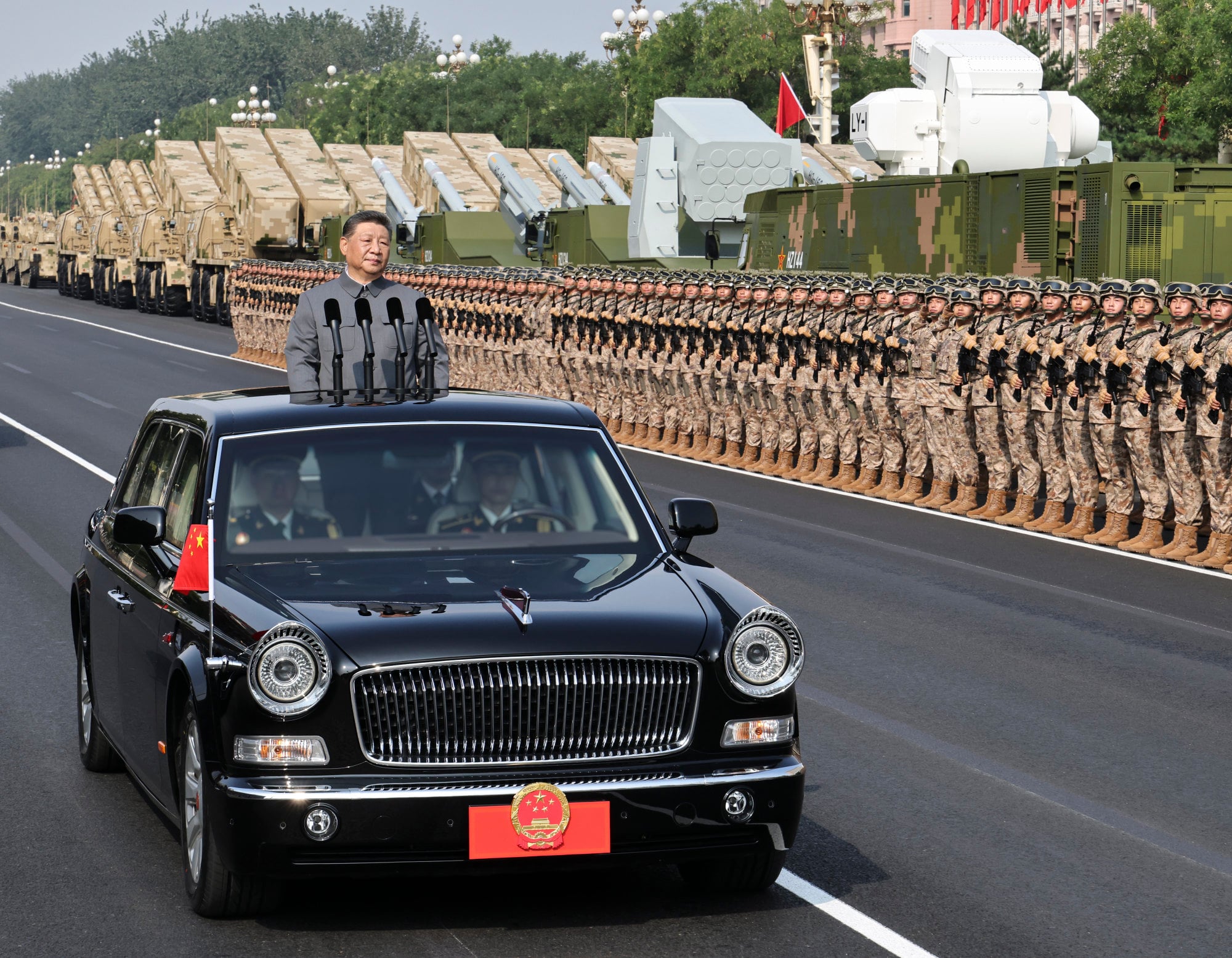
The changes also, to some extent, weakened the traditional dominance of ground forces within the PLA, Ni said.
Rising geopolitical frictions continued to spur China’s military modernisation efforts. Key catalysts included recurring hostile encounters between Chinese forces and US vessels and aircraft operating within the first island chain, as well as perceptions of containment stemming from the Obama administration’s 2011 pivot to the Asia-Pacific, according to Christian Wirth, senior associate at the German Institute for International and Security Affairs in Berlin.
“Beyond these external drivers, however, it also appears that Chairman Xi’s own views of the PLA as an organisation – of lacking progress in achieving its objectives due to deeply entrenched corruption – appear to have been a strong driver for the reforms that have been implemented over the past decade,” he said.
While the goal remained vague, US capabilities might in some ways serve as the standard for what a “world-class military” should be, since what ultimately mattered was whether the PLA could prevail in a conflict with the US, he said.
In a sweeping restructuring, the Central Military Commission dismantled the Soviet-style Four General Departments system, replacing it with smaller, more functionally specialised departments. The seven military regions were reorganised into five theatres of command to improve joint operations across the services, while new branches were established to oversee logistics and manage emerging domains such as space, cyber and electronic warfare.
Having emulated “nearly every aspect of the US military”, from joint theatre commands to brigade-centric modular force reorganisation and global power projection, the PLA also underwent genuine changes in structure, professionalisation and doctrine, including an emphasis on all-domain operations, according to Arostegui.
“True modernisation efforts have continued in earnest in the years that followed,” he said, citing established command and control guidelines, regular force rotations, major reforms to the PLA reserve force and large-scale exercises around areas such as the South China Sea and beyond the first island chain.
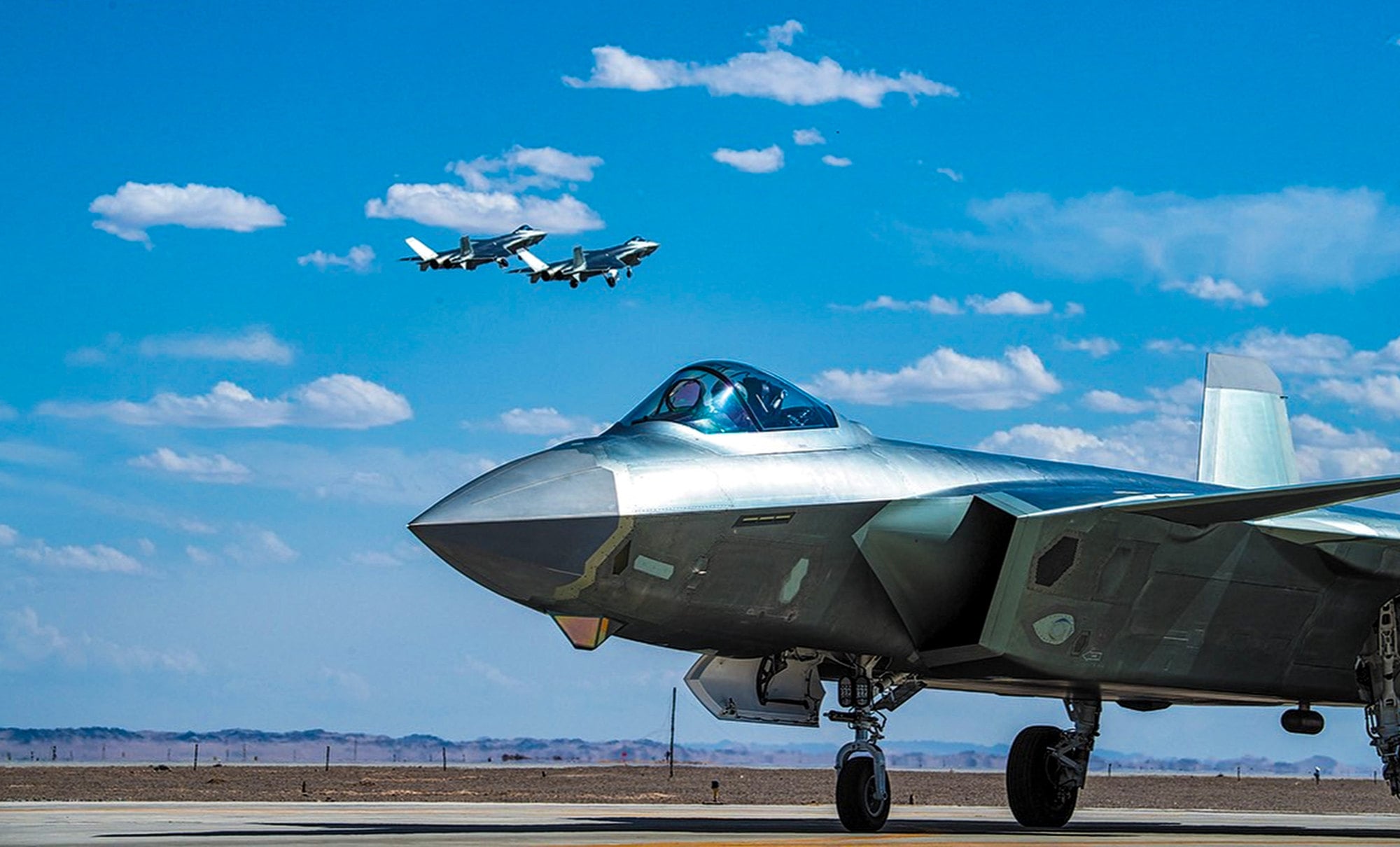
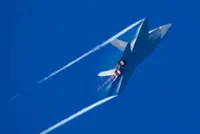
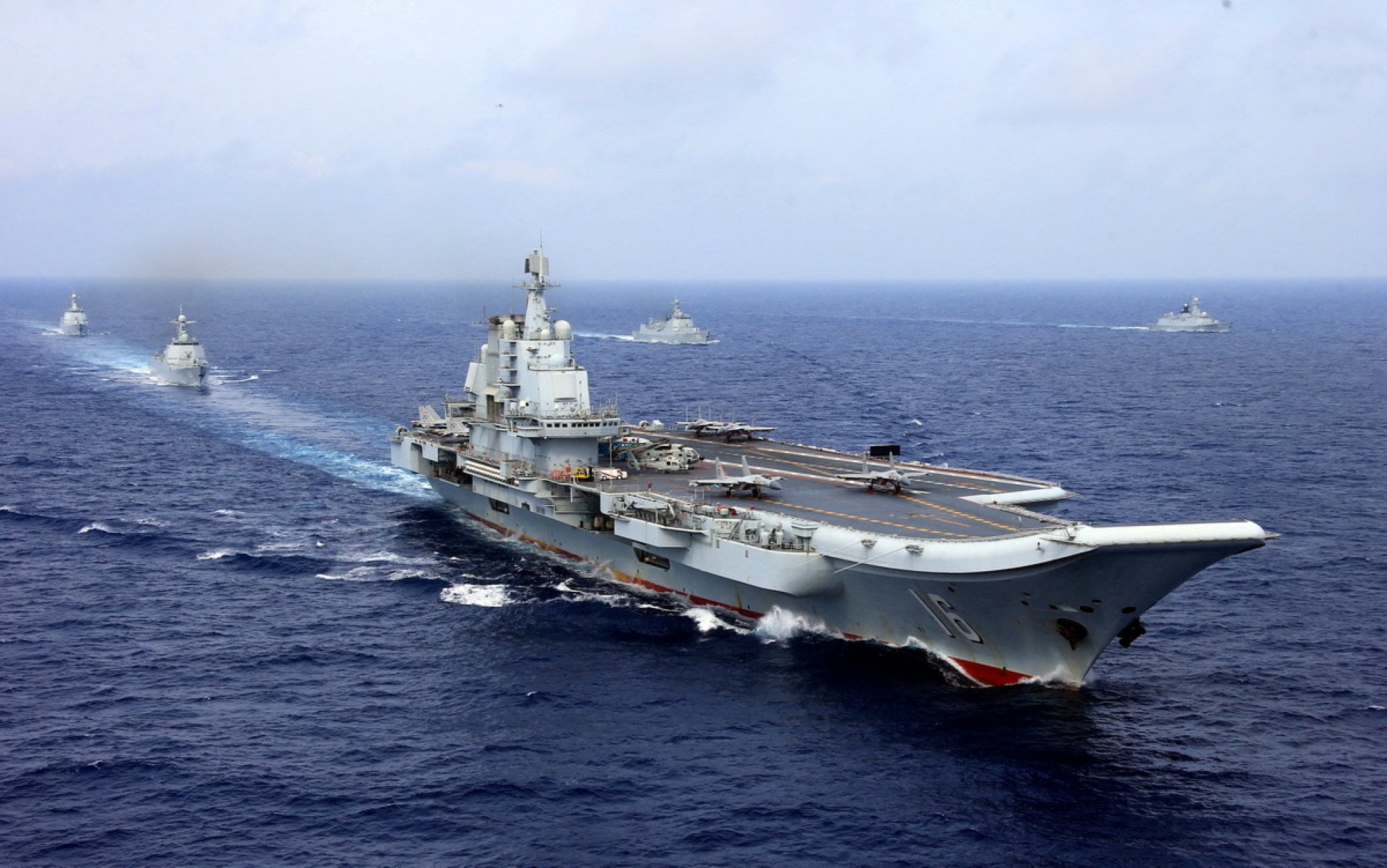
Sustained investment in defence research and development and the military-civil fusion strategy have also begun to pay off, with some Chinese weapon systems now regarded as among the world’s top tier. The most visible examples include the J-20 stealth fighter, the Type 055 guided-missile destroyer, hypersonic glide vehicles, and a rapidly expanding portfolio of aerial, ground, surface and underwater uncrewed systems.
While the PLA is generally credited with having already achieved world-class status in some hardware areas, Wirth noted that its progress towards becoming a world-class military would always be “an ongoing process”.
He added that only in actual war would the processes of the military chain of command and the interface between military and political decision-makers be defined and adapted.
“Still, every conflict scenario is unique, and any armed force will pay the price for adapting to the given nature and dynamics of a conflict,” he said.
“Basic combat readiness may well be achieved without fighting a war beforehand, albeit the price for learning how to actually operate and fight will likely be higher.”
Additional reporting by Alcott Wei -- SOUTH CHINA MORNING POST