
US President Donald Trump’s prime-time attack on China over alleged election interference marks a significant escalation in the rivalry between Washington and Beijing, according to analysts.
They said it could again destabilise ties and create uncertainty over Chinese President Xi Jinping’s planned visit to Washington in September.
In his national address on Thursday night (US time), Trump launched an unprecedented broadside against alleged Chinese interference, accusing Beijing of orchestrating the “largest compromise of election data in history”.
He claimed Beijing sought to – among other things – turn American business leaders and journalists against him.
The charged speech came as relations between the world’s two largest economies have shown signs of stabilising ahead of Xi’s planned US trip, and as America gears up for the November midterm elections.
Zhao Minghao, a professor at Fudan University’s Institute of International Studies, said Trump appeared to have taken a harder line on China since returning from his Beijing trip in May, amid criticism at home that he had gone soft on the rival power.
Trump also railed against communism in a speech earlier this week.
“All these will have some impact on US-China relations,” Zhao said. “Trump’s purpose is, on one hand, to display toughness on China. And on the other, it’s also with an eye on this year’s midterm elections.”
The attacks could complicate Xi’s possible US visit, Zhao said, along with other factors including the Trump administration’s ongoing tariff investigations against Beijing and US arms sales to Taiwan.
Beijing sees Taiwan as part of China and has not ruled out the use of force to achieve reunification. Meanwhile the US, like most countries, does not recognise self-ruled Taiwan as an independent state. However, it is opposed to any attempt to take Taiwan by force and legally committed to supplying it with weapons.
Trump’s attack on China did little to help build on the positive momentum from his May summit with Xi, when the two leaders agreed to build a constructive relationship of strategic stability, according to Diao Daming, an international relations professor at Renmin University of China.
He said while Trump’s speech was likely to have been driven by domestic political considerations, any continuation of this approach could undermine “the rare, positive atmosphere in Sino-US relations”.
Denis Simon, an expert on US-China relations at the Quincy Institute, a Washington-based think tank, said the speech marked an escalation in tensions.
“This speech is significant not simply because it criticises China,” he said. “It is significant because it elevates alleged Chinese election interference to the level of a central national security narrative, comparable to how Russia was treated after 2016.”
Simon said the move could reshape the wider China policy debate in Washington, with election security becoming “another front in comprehensive strategic competition” alongside artificial intelligence, semiconductors, supply chains and military modernisation.
The timing of the speech was also notable, as both sides have sought to stabilise ties in recent months.
However, Simon said competition and engagement now coexisted.
“Washington can simultaneously negotiate on tariffs, discuss fentanyl and maintain military communications, while tightening export controls, sanctioning Chinese companies and accusing Beijing of cyber operations,” he said.
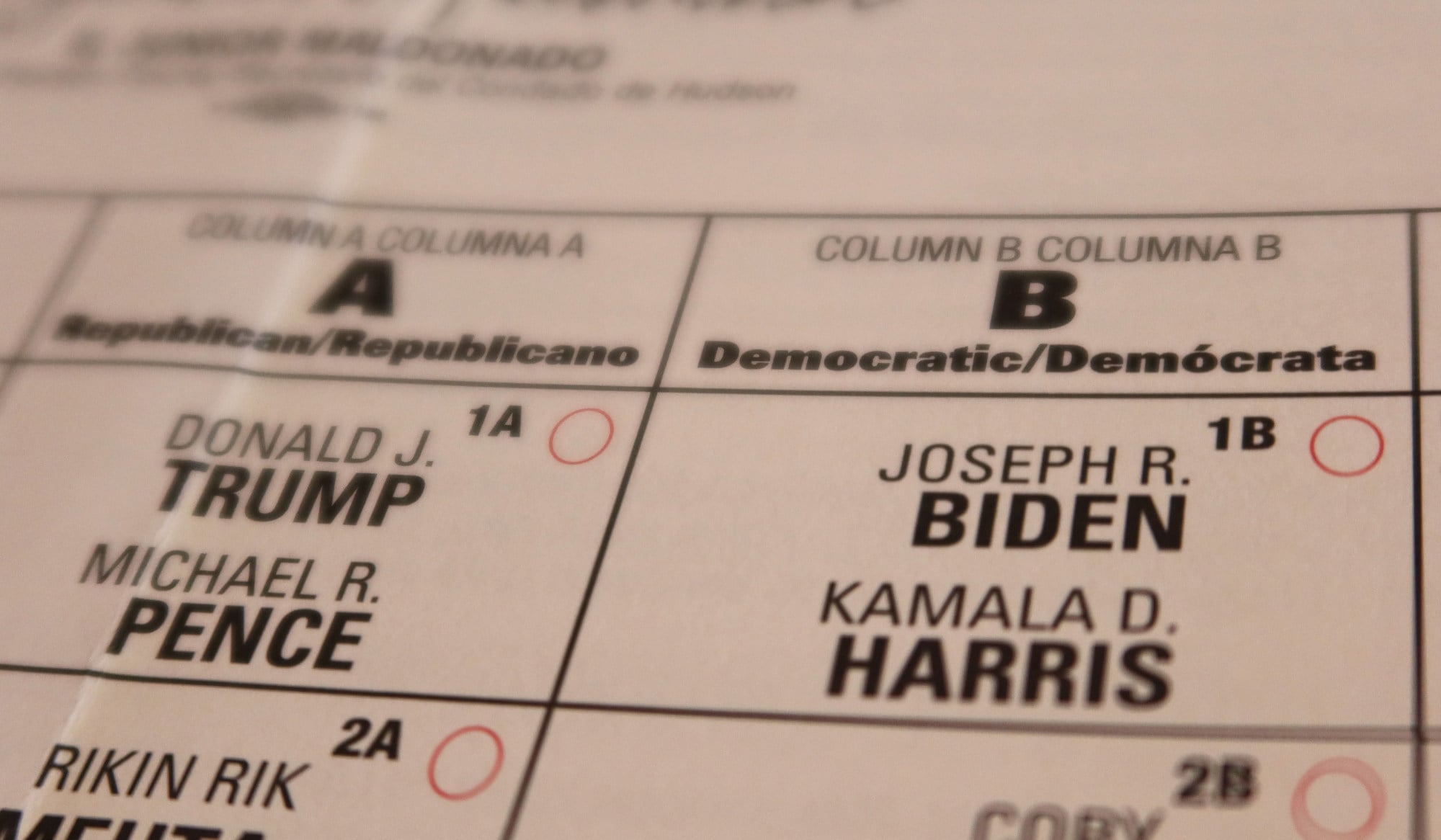
Simon said the address was likely to cast uncertainty over Xi’s visit to the US, noting that major powers had historically maintained dialogue despite deep strategic disputes.
“Harsh rhetoric does not automatically prevent summit diplomacy,” he said, adding that both Washington and Beijing had learned to compartmentalise their relationship.
The broader significance, Simon argued, was that election interference could become part of a much larger strategic contest.
“The question is not whether Xi’s visit will occur. It is whether the two governments can continue to compartmentalise, maintaining channels for negotiation while simultaneously accusing each other of increasingly serious security threats.”
Sourabh Gupta, of the Institute for China-America Studies, described the address as a domestic political manoeuvre rather than a major shift in US-China relations.
“This is a last-gasp effort,” Gupta said, arguing that Trump was using the foreign adversary narrative to push election-related legislation that lacked sufficient support in Congress.
On the China implications, Gupta said Beijing was unlikely to view the speech as a major development.
“This is just water under the bridge,” he said, adding that issues such as Taiwan, export controls and tariffs would carry far greater weight in shaping ties between Beijing and Washington.
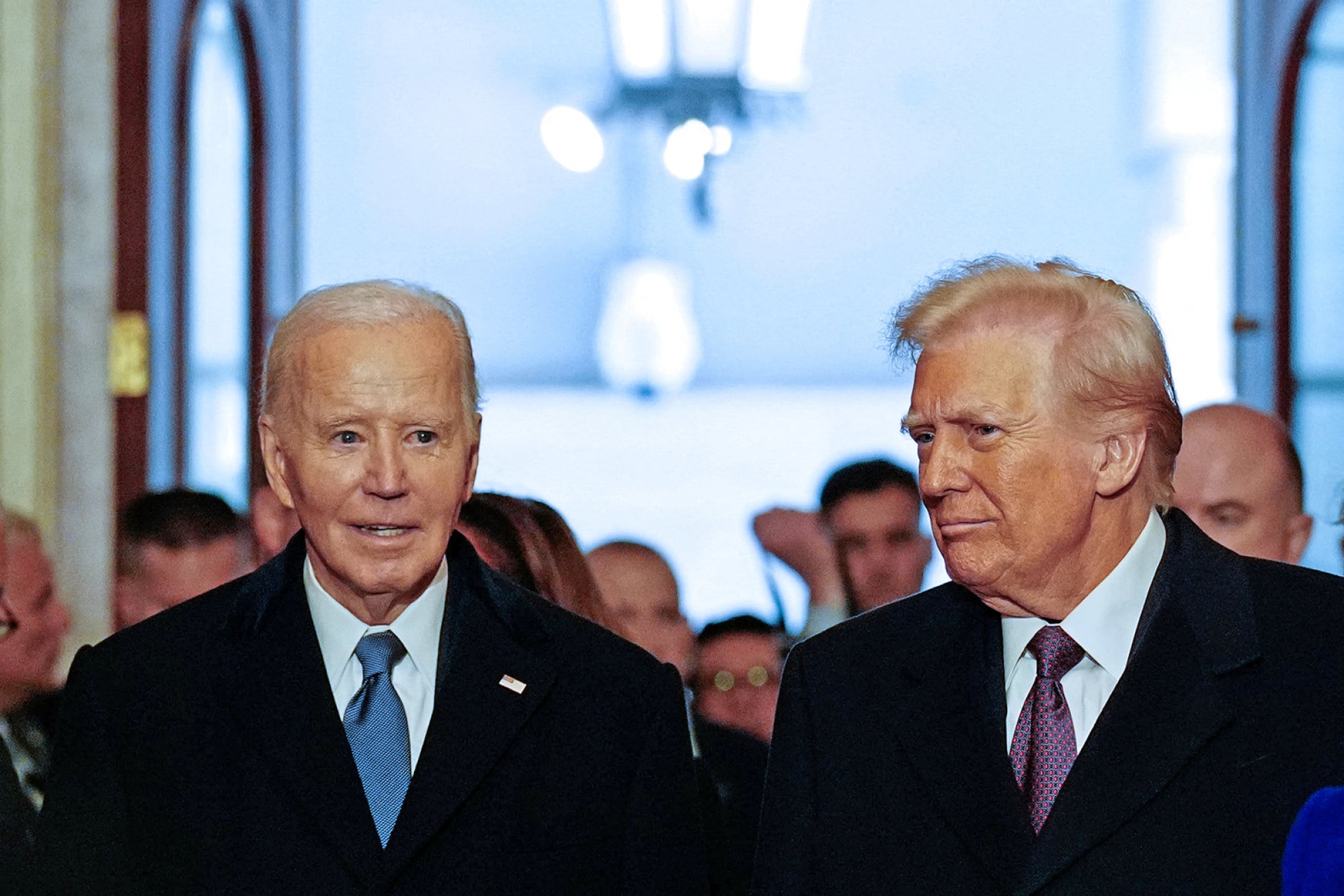
In the lead-up to the November 2020 presidential election, Trump and his allies repeatedly argued that China, rather than Russia, posed the biggest foreign threat to the integrity of the US vote.
Joe Biden won 306 Electoral College votes to Trump’s 232 and the popular vote by roughly 7 million ballots. But Trump and his team refused to concede, alleging widespread fraud and foreign interference, often pointing to China.
However, a March 2021 Intelligence Community Assessment – declassified under then-director of national intelligence Avril Haines – concluded that Russia carried out an influence campaign to support Trump, while China considered but ultimately did not deploy efforts to sway the election outcome.
Simon warned that the administration’s new rhetoric was designed to prey on a fundamental misunderstanding of cybersecurity, with Trump’s rhetoric tending to collapse “could be hacked” into “was hacked”.
Ahead of the address, the Chinese embassy in Washington pushed back against speculation that Beijing would be targeted over alleged election interference claims.
Embassy spokesman Liu Chang said China had “all along adhered to the principle of non-interference in others’ internal affairs” and rejected any suggestion that Beijing had sought to influence US presidential elections. -- SOUTH CHINA MORNING POST