




The ongoing US tariff investigations against China and Washington’s other trading partners are unlikely to significantly impair bilateral ties or the planned meeting in September between US President Donald Trump and Chinese leader Xi Jinping, analysts said on Monday.
“China is just one of a group of countries. So it’s less insulting to China,” said Wei Liang, a professor at the Middlebury Institute for International Studies at Monterey.
The Trump administration has launched two major Section 301 probes: a forced labour investigation involving 60 countries and an excess capacity inquiry targeting 16 nations. Both probes include China alongside key US trading partners, including the EU, Japan, South Korea and India.
The proposed tariffs are widely viewed as an attempt by the administration to reinstate import levies after the US Supreme Court struck down its expansive tariffs under the International Emergency Economic Powers Act (IEEPA) in February.
China on Friday expressed “strong dissatisfaction” over the ongoing probes and warned of “necessary measures”.
“By once again abusing the Section 301 process and placing domestic law above international rules, the US is making a serious mistake,” the Chinese embassy in Washington said.
However, people familiar with the matter said that the ongoing trade investigations and other tit-for-tat measures are unlikely to derail trade negotiations and Xi’s expected visit to the US in September.
In addition, Liang noted that despite the rhetoric, Beijing and Washington appeared to have reached a “tacit understanding” that the new tariffs may not exceed the earlier suspended rates.
“The tacit understanding is that as long as the 301 tariffs won’t go higher than the IEEPA tariffs, then Beijing will be OK with that,” she said during a webinar hosted by the Centre for Strategic and International Studies.
China’s effective tariff rate currently stands at just over 20 per cent, reflecting the temporary truce reached in November 2025 and the subsequent US Supreme Court ruling. To restore those struck-down import levies, Washington is now proposing a combined tariff of around 20 to 25 per cent under its ongoing Section 301 investigations.
Amid the tariff adjustment, both sides are also discussing the contours of the newly created Board of Trade and Board of Investment, key outcomes of Trump’s May visit to China, to facilitate tariff-free trade in selected non-sensitive sectors.
Last month, the Chinese ambassador to the United States, Xie Feng, proposed increasing the limit of tariff-free goods under the Board of Trade from the existing US$30 billion to US$300 billion – a 10-fold rise in non-sensitive trade covered by the mechanism.
“Personally, I would argue for doubling the number to US$60 billion, or even raising it to US$300 billion,” he said at the US-China Business Council gala in Washington.
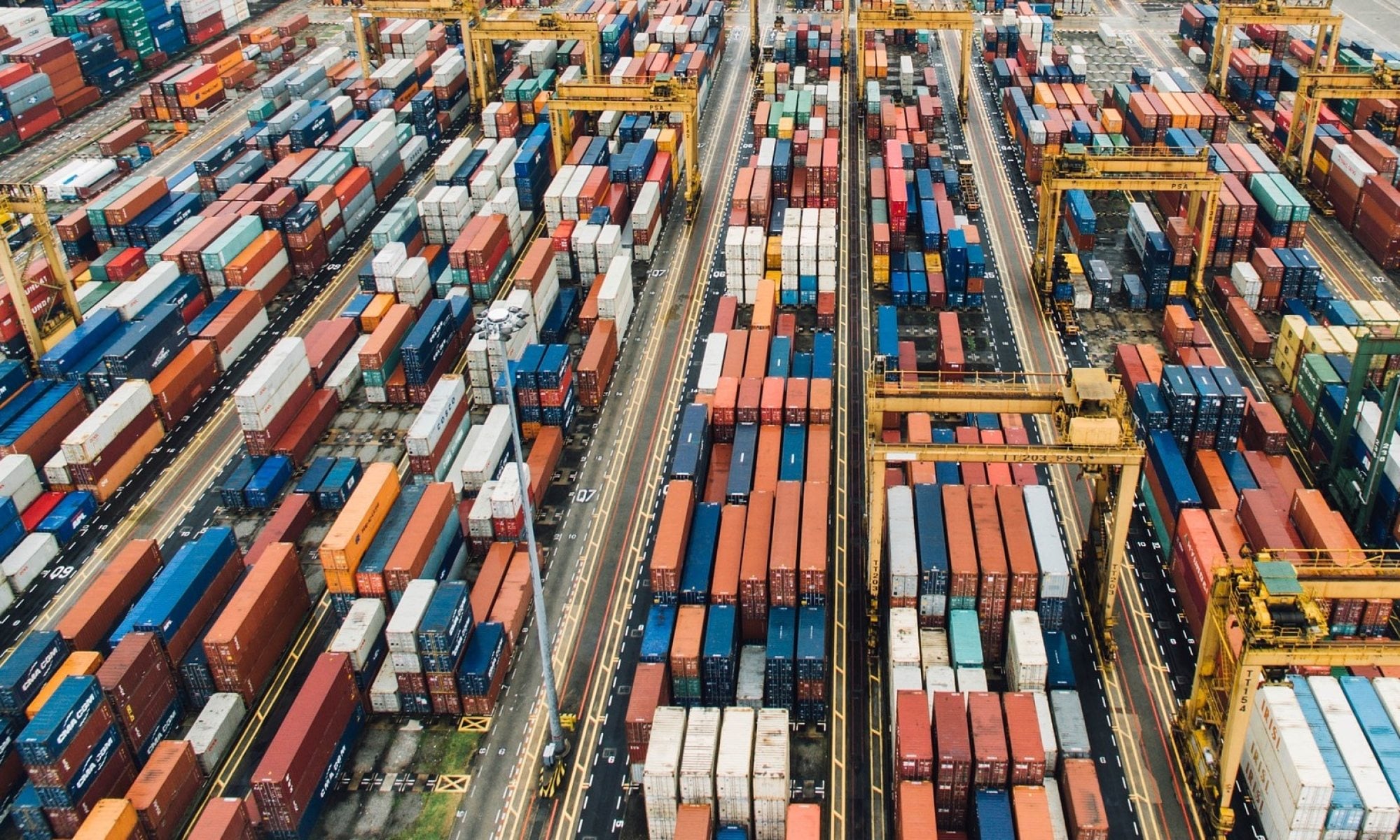
According to figures from the US Trade Representative’s (USTR) office, the goods trade between China and the US totalled an estimated US$414 billion in 2025, a drop of around 28 per cent from 2024.
Analysts also argued that Washington’s tariff regime has accelerated China’s integration with alternative markets instead of isolating its economy.
“In terms of rearranging global supply chains, we have seen that the US tariffs, in a sense, allowed China to integrate more deeply, not less deeply, with other partners,” said Mary Lovely, a senior fellow at the Peterson Institute for International Economics.
Despite a sharp decline in bilateral trade with the United States in 2025, China’s global export volume surged to a record US$1.2 trillion, a 20 per cent increase over 2024, fuelled by stronger economic partnerships in emerging markets.
Lovely cited Canada’s recent decision to lift its 100 per cent tariff on up to 49,000 Chinese electric vehicles a year in exchange for investments in its auto sector as evidence of China’s expanded presence in markets beyond the United States.
Wendy Cutler, vice-president at the Asia Society Policy Institute, said the administration’s comparatively “softer” approach towards China is unsettling US allies and partners.
“I think that if there’s not a huge gap between China and the tariffs assigned to other countries, this is also going to lead to more consternation among our other trading partners,” she added. -- SOUTH CHINA MORNING POST



