
Facing anti-corruption policies and profit squeezing at home, Chinese innovative medical device companies are accelerating their push into the European market despite mounting cross-border trade protectionism.
Government-backed hospital purchases of medical devices in China fell about 12 per cent year on year in the first five months of 2026, partly weighed down by “a new anti-corruption probe into hospitals”, dragging on the revenue of major Chinese medical device makers in the first half, said Linda Shu, head of China healthcare research at HSBC, in a report on July 10.
Public hospitals handled about 84 per cent of all patient visits in China, according to National Health Commission data released last year, making them the dominant buyers of medical equipment.
Among the latest Chinese companies joining the European push was heart medical device maker Jenscare Scientific, headquartered in Ningbo, eastern Zhejiang province, according to a filing with the Hong Kong stock exchange on July 8.
Its LuX-Valve Plus, the second device of its kind worldwide to win approval, has received CE certification under the European Union’s updated Medical Device Regulation, clearing it for sale across the region. The device replaces a damaged tricuspid valve, one of four valves in the human heart, through a vein rather than open-chest surgery.
The firm called the approval a “milestone” in its international strategy.
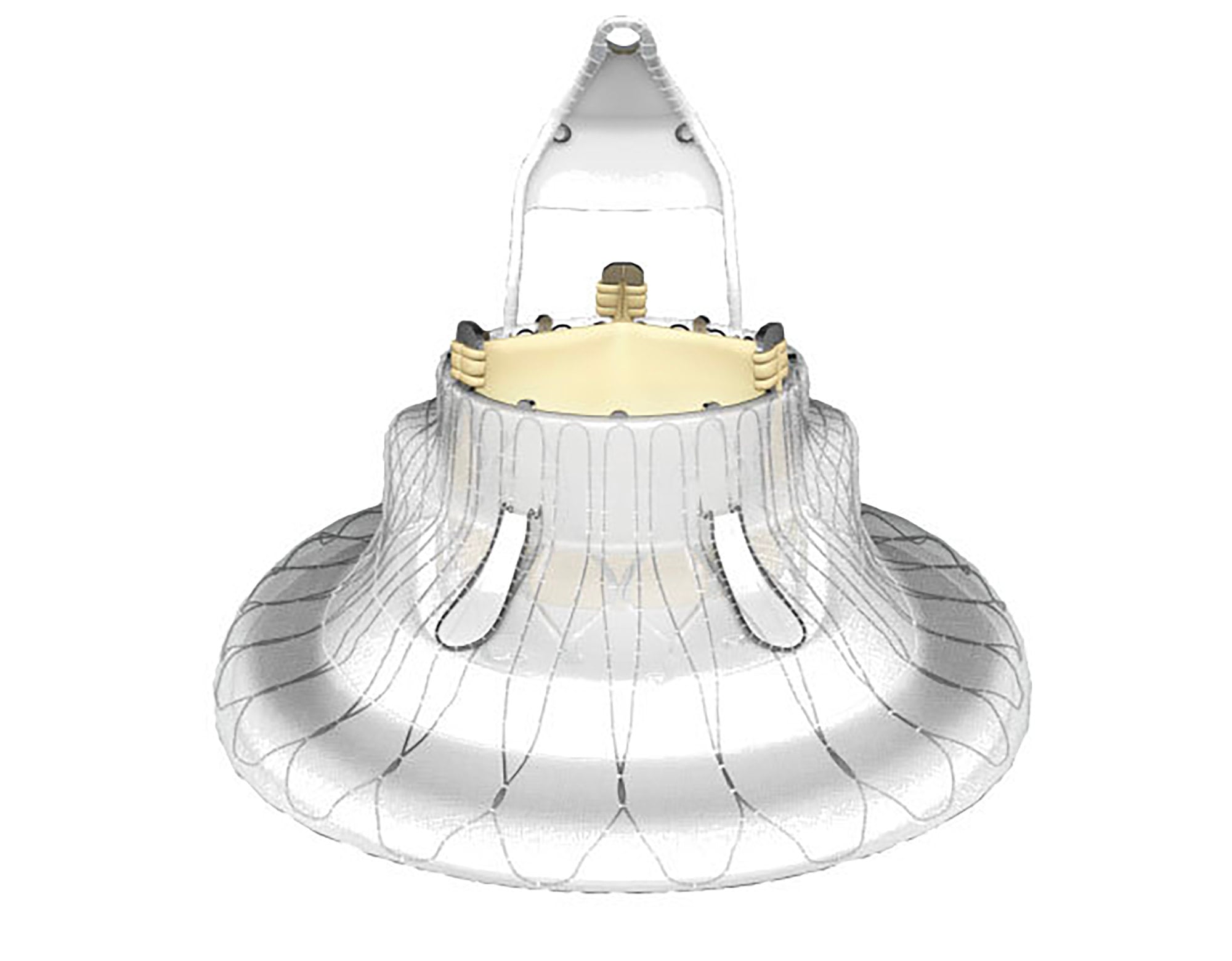
The device would be priced between 220,000 yuan (US$32,460) and 300,000 yuan in China, though that figure could fall by as much as 15 per cent if LuX-Valve was included on the national medical insurance reimbursement list, the state insurance scheme that swaps deep discounts for big volume, according to its prospectus.
The device has not yet received approval from the Chinese drug regulator.
Fiscal pressures in recent years on European governments have made them more receptive to Chinese medical devices that offer stronger cost-performance advantages than rivals. Germany’s parliament passed a healthcare savings bill last week, targeting 18.8 billion euros (US$21.5 billion) in cuts to its statutory health insurance system, effective in 2027.
However, Chinese medical device makers still charged more in overseas markets than at home, according to Cui Cui, head of Asia healthcare research at Jefferies. This was largely because government policies and “intense competition from domestic manufacturers” had resulted in “pricing pressure across many medical device categories”.
Tony Ren, head of Asia healthcare research at Macquarie Capital, said in a report on July 7 that “China’s anti-corruption campaign has unexpectedly intensified since April”.
The crackdown, launched in 2023, has targeted long-entrenched practices in which medical device sales representatives offered kickbacks and gifts to hospital procurement officials in exchange for contracts.
HSBC lowered its earnings estimates for Shenzhen-based device makers Mindray and Snibe, along with Shanghai-based medical imaging company United Imaging Healthcare, forecasting revenue growth of 2.5 per cent, 5.9 per cent and 17 per cent, respectively, for the first half of 2026, mainly driven by overseas business expansion.
Mindray’s revenue in Europe grew more than 25 per cent year on year in the first quarter of 2026, the company said in its quarterly earnings report.
The EU remained one of “the most important overseas markets for Chinese medical device companies”, said Cui, adding that there were “some risks of rising protectionism in Europe, including preferential treatment for local suppliers and restrictions on Chinese firms in public tenders”.
The impact, however, was limited, Cui added.
The EU barred Chinese medical device makers from public procurement contracts worth more than 5 million euros under its International Procurement Instrument, which took effect in 2025. Mindray said none of its EU contracts currently exceeded that threshold. -- SOUTH CHINA MORNING POST