TOKYO: Claw machine games, where players operate a crane to win prizes, are experiencing a boom in Japan. With a wider variety of prizes and more locations to play, they are grabbing even those who previously had no interest.
On May 4, right in the middle of Japan’s Golden Week holiday period, one area in particular was bustling at claw machine game arcade Tama no Kuni in Tama, Tokyo. It was called Everyday Supermarket.
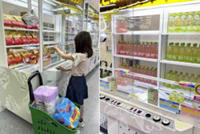
A total of 105 machines line the floor, each containing food and daily necessities such as instant curry, packaged rice and laundry detergent. Each attempt costs 100 yen (US$0.62). There is also a dining area equipped with a microwave, so customers can heat up and eat their prizes.
One family who visits about once a month said: “We use coupons sent to repeat customers to play at a discount.” They stacked large bags of snacks and toilet paper into a cart as they moved back and forth between the machines.
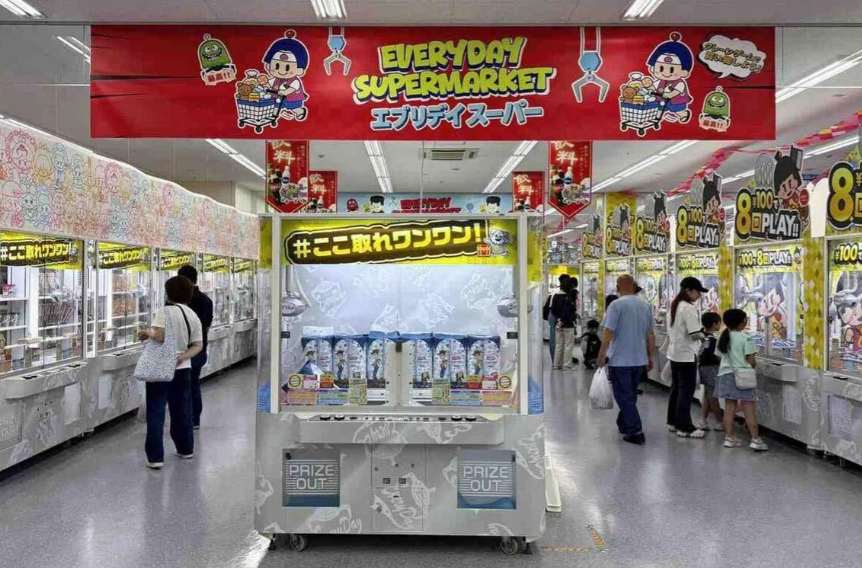
A pair of women trying their luck at a machine containing food nearing its expiration date smiled and said: “The good thing about food is that we don’t have to worry about where to store it or how to use it.”
The Everyday Supermarket opened in December 2025. It was established after the supermarket in the commercial facility moved out, and customers began requesting somewhere to buy food and daily necessities. With luck, you can win four plastic bottles of drinks or 12 rolls of toilet paper for just 100 yen.
“You can get essentials for daily life while having fun,” said a spokesperson of its operator, the Saitama-based company Toyo.
“We offer a great deal, and this is attracting attention as people become more cost-conscious.”
Food items are also popular in online claw games, which are controlled remotely using smartphones or computers.
DMM Onkure, operated by Tokyo-based DMM.com, has been collaborating with the National Federation of Agricultural Cooperative Associations (Zen-Noh)’s online shopping site JA Town since 2023.
The prize line-up features about 60 types of regional specialities and seasonal agricultural products from across the country, such as Awaji Island onions and Saga beef short ribs. Prizes are delivered to the winner’s home at a later date.
JA Town’s user base consists mainly of adults who are middle-aged or older. DMM Onkure’s users, however, are primarily young people, who as a result have the opportunity to try out products for the first time.
A public relations representative said: “Both users and companies can easily see the benefits.”
The claw machine has moved beyond entertainment facilities and is gaining popularity in unexpected places.
Since the spring of 2024, Lawson – Japan’s popular convenience store chain – has been placing small claw machines in unused spaces within its stores, and the initiative has now expanded to approximately 1,330 locations. Among these, in-hospital stores are where “people are really enjoying them”, according to the initiative’s project manager.
While the prizes are standard items like mascots and keychains, they are enjoyed by patients waiting for appointments, hospital staff and visitors.
At the store inside the Hyogo Prefectural Amagasaki General Medical Centre, the number of users by the end of 2025 was more than double the average for claw machines at typical venues.
According to the Japan Amusement Industry Association, sales of “prize games” – games aimed at winning prizes, such as claw machines – reached 417.7 billion yen in fiscal year 2024. This was more than double the figure from fiscal year 2014, a decade ago, and accounts for 70 per cent of total game sales.
The number of such machines had reached 258,903. While they accounted for about 30 per cent of the total in fiscal year 2014, they now make up 40 per cent.
This growth is attributed to the boom in oshikatsu (a fan’s efforts to support their favourites) that began around 2020. By offering rare and highly sought-after idol merchandise as prizes, the industry has attracted people who do not typically visit game centres, thereby expanding its base.
“Japanese claw games are of high quality, offer a wide variety of prizes and feature items people actually want,” said Hideo Nakamura of Japan’s crane game association. “We want to provide the joy of winning.” - The Japan News/ANN