A US congressional hearing on Tuesday urged the United States to innovate faster, smarter and better to counter China’s growing technological muscle, even as several lawmakers slammed the US President Donald Trump administration for policies they said undercut US national interests.
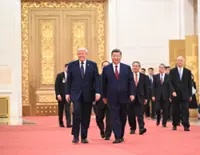
The testimony before the House Committee on Energy and Commerce comes as the two economic giants increasingly and aggressively face off over standards, economic models and supply chains, despite last month’s summit between Trump and Chinese President Xi Jinping aimed at easing tensions.
“At this very moment, China has overtaken the United States in total R&D spending, while the administration has cancelled or frozen more than 7,800 research grants,” said Kathy Castor, a Democrat from Florida. “Even more concerning, our scientists are leaving our labs and increasingly out of the country.”
Lawmakers and witnesses called for passage of several key pieces of legislation aimed at addressing funding, support and guardrails for a range of technologies and supply chains from artificial intelligence and advanced robotics to quantum computing and semiconductors.
But passage of legislation is hardly a magic bullet if the US does not implement those laws and if it continues to undercut its own strengths, witnesses said.
Over 1,700 AI bills were introduced across America’s 50 states regulating AI, witnesses said, which can lead to a hodgepodge of inconsistent rules and incentives.
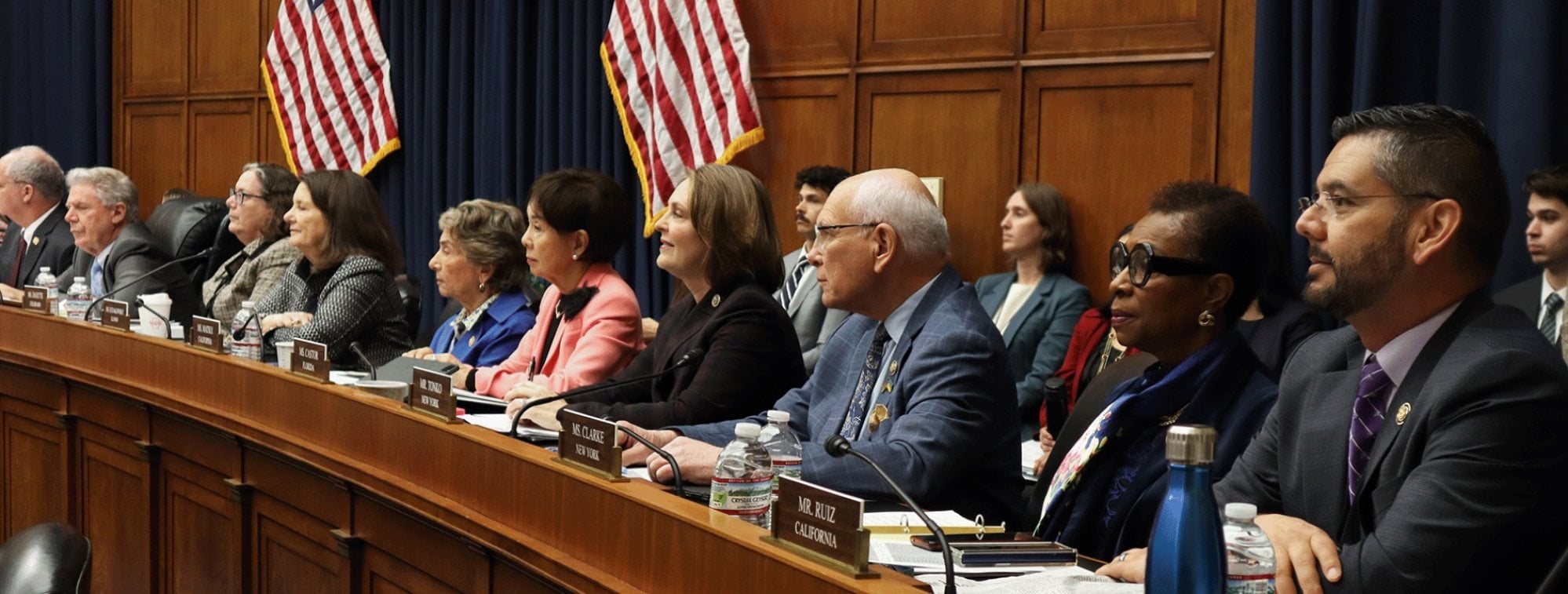
“We can pass everything on this list, but if we keep starving our labs, then we’re just naming technologies for China to implement,” Castor said.
Some 22 per cent of US labs had rescinded offers to students, staff and postdoctoral researchers, according to studies, while 53 per cent had advised their students to seek further education outside the US.
Other indications of slipping US momentum cited: the European Research Council has seen a fourfold increase in applications from Americans seeking advanced grants, while international graduate student enrolments declined in 2025 to levels below any single year since the pandemic.
“We’re sort of going the wrong way,” said Jedidah Isler, chief science officer with the Federation of American Scientists. “Other competitors aren’t waiting. China is the most dramatic example, but India, South Korea, and the EU are all accelerating investments in this academic market.”
Witnesses noted the disquieting lead that China has taken in several technologies, especially advanced robotics, and the rapid progress it is making in open AI models and semiconductors.
Some criticised Beijing for the huge amount of subsidies and state control it is exerting in private markets, even as they called on the US government to do more.
China has more than 140 humanoid robot manufacturers that have been “hyper accelerated” by government programmes and state sponsorship, even as Beijing has ordered state-owned enterprises to purchase over 10,000 robots, said Jason Fiorillo, chief legal officer with robot maker Boston Dynamics.
“It markets the products at prices only possible with government support for overproduction,” he added. “Chinese suppliers will flood global markets with below cost government subsidised robots and drown out competition.”
The Chinese embassy in Washington did not immediately respond to a request for comment.
“It is time for national robotic strategy,” Fiorillo added. “An all of government strategic approach is necessary for the long-term competitiveness of the advanced global robotics industry.”
Witnesses at the hearing, titled “American Global Competitiveness at 250: Legislative Proposals to Secure US Technology Leadership”, also called for the US to push harder on open AI models to spur innovation.
“China dominates this space, producing the best performing and most widely used open models,” said Neil Chilson, head of AI policy with the Abundance Institute, warning that the US lead in innovation is “neither permanent nor inevitable. Today, China is nipping at our heels”.
The House has a spate of bills under consideration to improve US competitiveness, including the National Commission on Robotics Act, the United States Leadership in Immersive Technology Act of 2025 and the Chip EQUIP Act, all sitting in various stages of the legislative pipeline.
The current 119th Congress that started in January 2025 is on track to be one of the least productive in modern American history based on the amount of legislation passed at a time of entrenched partisanship and protracted infighting.
While witnesses noted the strong worrisome lead that China has in rare earth minerals, they said the US has to focus on new technologies and materials that will supplant these in future generations of semiconductors and other hi-tech products.
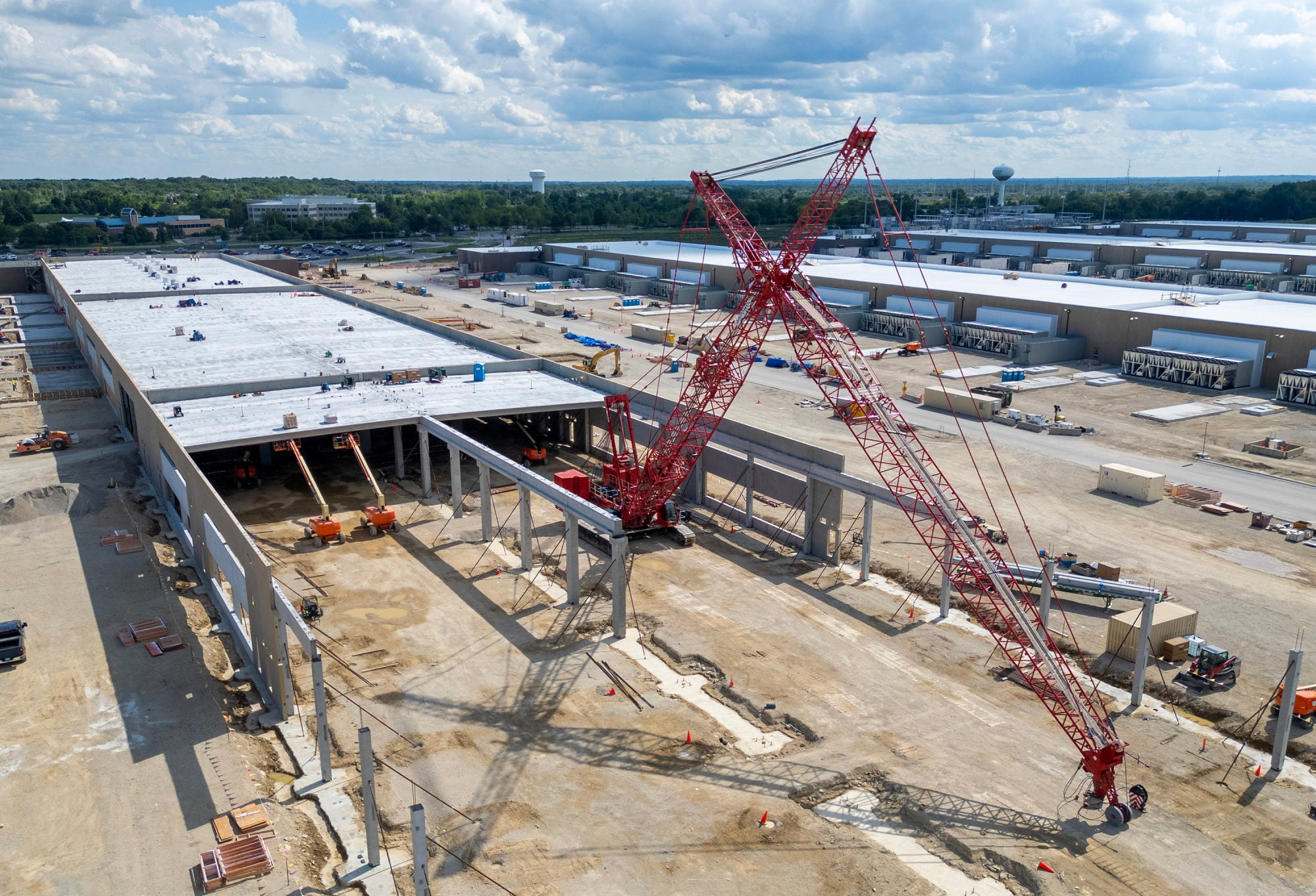
The panel also considered some of the downsides of technology, including job loss and safety risks from AI advances and robotics, the growing public resentment towards massive, water-sucking data centres and the potential health risks of bioengineering.
This requires a careful balance when dealing with rapidly moving technologies, witnesses testified, between regulating against potential dangers while still providing enough room to innovate.
“If you have a fast car, you have good brakes,” said Isler. “You don’t build the car for the brakes. But the brakes help you have confidence to move fast.” -- SOUTH CHINA MORNING POST