




As Hong Kong marks the 29th anniversary of its return to Chinese rule on July 1, the South China Morning Post talks to the city’s senior officials about the administration’s achievements so far and what may lie ahead.
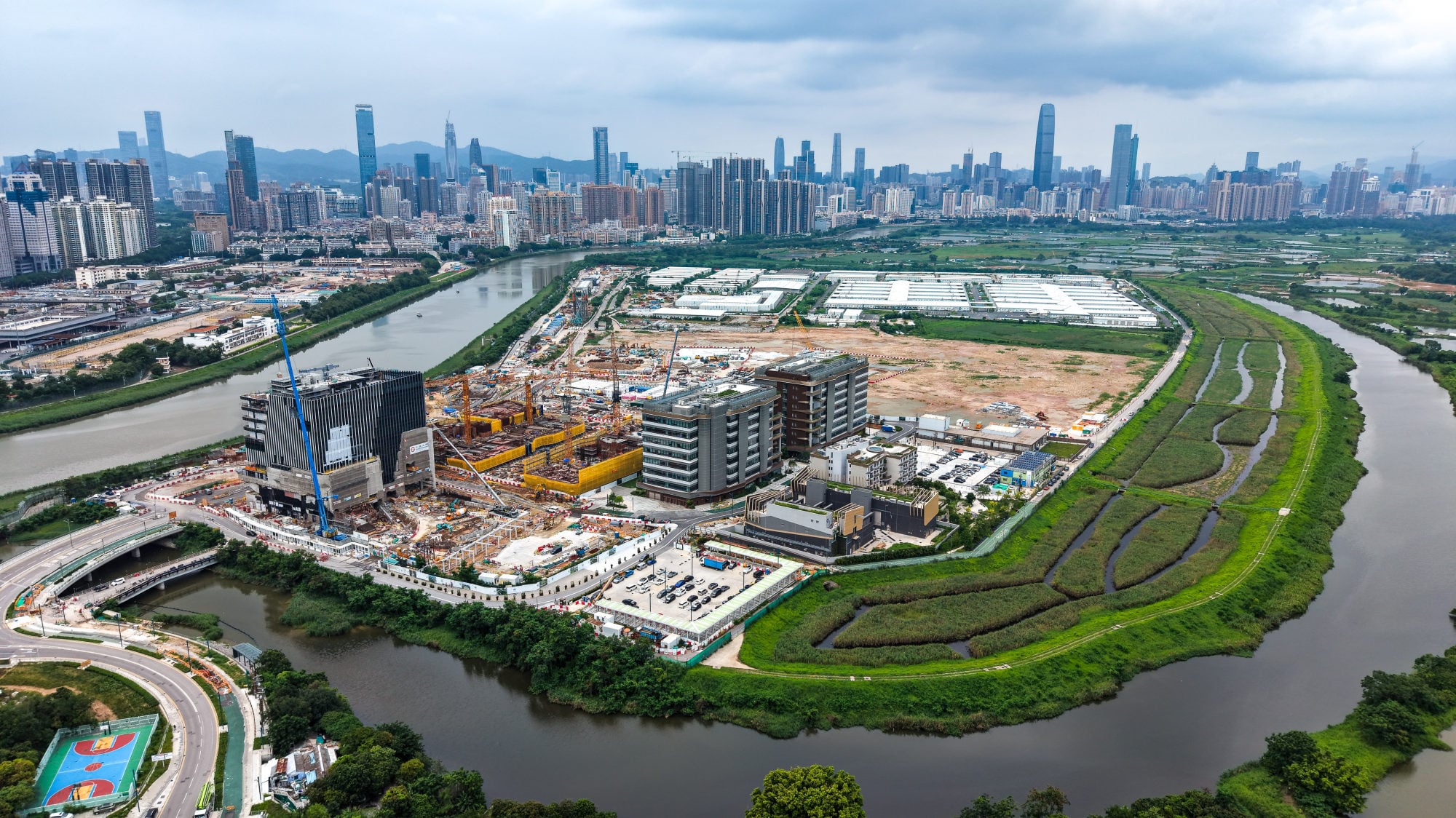
Hong Kong and mainland China are expected to begin sharing cross-border data within the year, when more companies will start operating in the Hetao innovation hub, the tech minister has revealed.
In a wide-ranging interview with the South China Morning Post, Secretary for Innovation, Technology and Industry Sun Dong said that various life science and artificial intelligence (AI) firms had already expressed interest in the data-sharing policy.
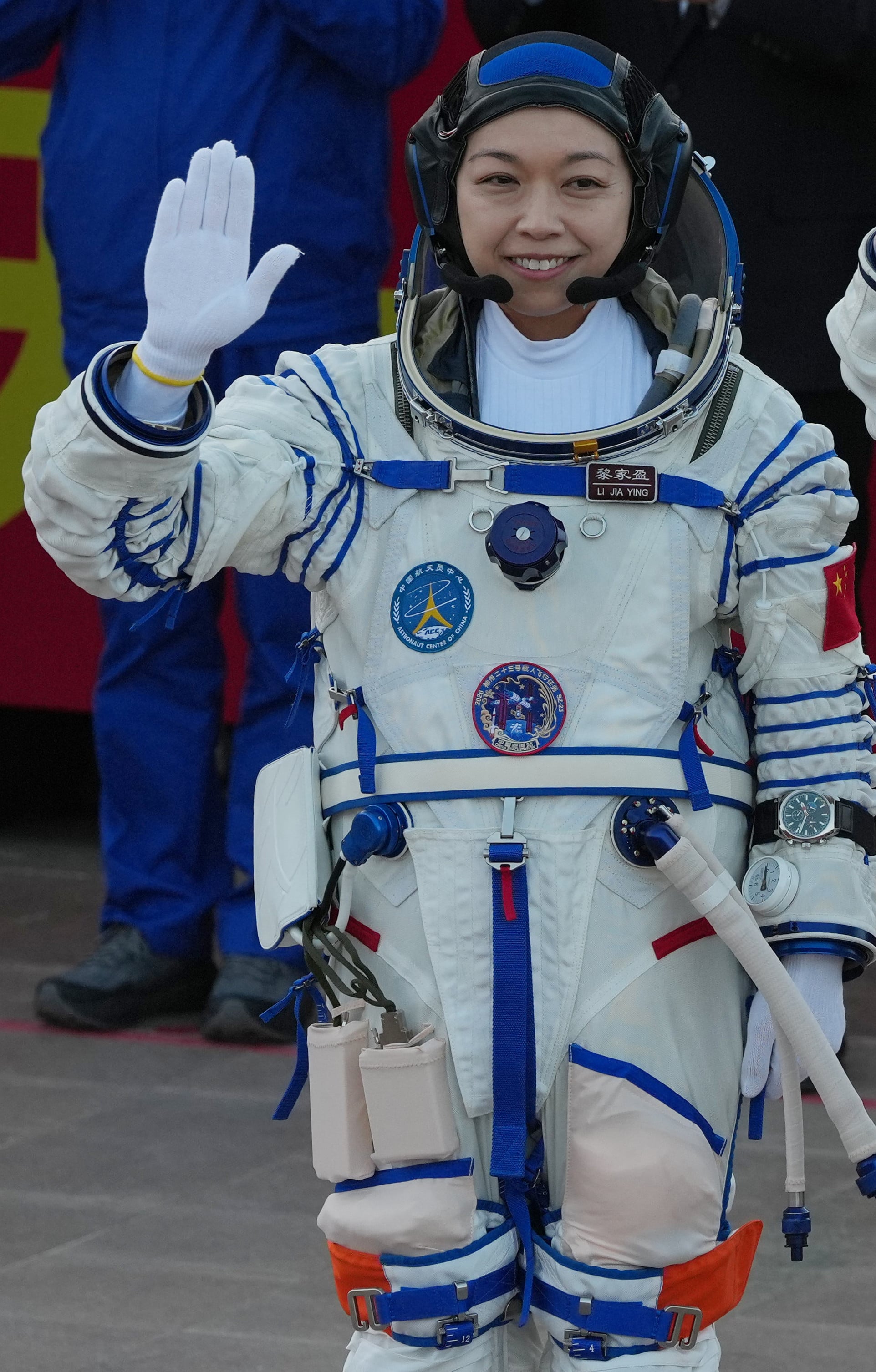
The minister also outlined plans to roll out events as early as “the start of the new school term” so local students could talk to Lai Ka-ying, the city’s first astronaut, while she was in space.
On the cross-boundary data flow mechanism, Sun said city authorities had ironed out all operational and regulatory details with Shenzhen to enable digital information and biosamples to move securely across the Greater Bay Area.
The second half of the year offered a good window to activate relevant arrangements as more companies would begin operating in the Hong Kong section of the Hetao Shenzhen-Hong Kong Science and Technology Innovation Cooperation Zone, located in the Lok Ma Chau Loop, he said.
“We are waiting for the final green light from the central government, as this matter involves coordination among many different ministries,” he added.
“I am very pleased to tell you that Shenzhen and Hong Kong have reached an agreement, and we have formulated an institutional arrangement recognised by both sides. We hope that some measures can be implemented within this year.”
He said the mechanism had drawn strong interest from various sectors, including life and health science companies that required mainland data to develop advanced medical equipment and solutions.
Other interested parties include AI companies dependent on vast data pools for training their large language models.
Sun said a dedicated data facility was needed to ensure the relevant data remained securely within the Hetao zone’s Hong Kong park.
On Friday, the Legislative Council’s Finance Committee will vet a HK$3.7 billion (US$472 million) funding proposal to expedite the completion of the first round of infrastructure for Hetao’s Hong Kong park, also known as the Hong Kong-Shenzhen Innovation and Technology Park.
The Hetao innovation hub was a key stop during a high-profile visit two weeks ago by Xia Baolong, Beijing’s top official overseeing Hong Kong affairs.
His inspection tour also included a microelectronics centre in Yuen Long and the site of a large data facility cluster in Sandy Ridge.
Sun, who briefed Xia during the tour, had previously said the director of the Hong Kong and Macau Affairs Office affirmed the government’s efforts in advancing three flagship projects, including Hetao’s Hong Kong park.
The Beijing official noted the projects had “achieved preliminary results in a short period of time”.
During the interview with the SCMP, Sun outlined three pillars of the city’s technology development strategy over the next five years to ensure alignment with the nation’s 15th five-year plan, which covers 2026 to 2030.
The pillars comprise accelerating Hong Kong’s development into an international innovation and technology hub, developing the city into a global hub for high-end professional talent, and driving the construction of the Northern Metropolis megaproject, including a planned university town.
On the subject of Hong Kong’s first astronaut, the minister also revealed that the government was finalising plans for interactive “space-to-Earth” events so the public could meet Lai, who is currently aboard the Tiangong space station.
“We are actively preparing events that involve multiple departments. [We received] a very enthusiastic response from youth, tech professionals and various sectors,” Sun said.
“Considering that students are facing exams and the summer holidays are approaching, we believe that the period after they return for the new school term offers a more suitable window.”
He said that while aerospace technology was still a “relatively fresh frontier” for Hong Kong, he believed that Lai’s mission would catalyse relevant research, downstream manufacturing and commercial applications.
Sun also remained unfazed when asked whether tensions between Beijing and Washington could affect Hong Kong’s aerospace development.
“Over the past few years, we have indeed weathered considerable geopolitical tension,” he said.
“But what everyone can see is that our country’s technological advancements have grown stronger, and Hong Kong’s own path of developing into an international innovation and technology hub has achieved an excellent start.”
He said that “regardless of changes in the outside world”, Hong Kong would closely align with national development strategies and accelerate the construction of an international innovation and technology centre.
As the current administration enters the final year of its five-year term, Sun shrugged off a question about his own political future once his tenure ended next July.
“My thoughts are entirely aligned with the chief executive and other officials. We will try our best to perform our duties, and strive to give society a satisfactory report by the end of our five-year term,” he said. -- SOUTH CHINA MORNING POST



