




The top US diplomat for East Asia sought to reassure Taiwan that Washington stood by its “Six Assurances” despite US President Donald Trump’s earlier dismissal of the policy, but offered no timeline for approving a stalled US$14 billion arms package to the self-ruled island.
Michael DeSombre, assistant secretary of state for East Asian and Pacific affairs, told a House Foreign Affairs Committee hearing on Thursday that US policy on Taiwan had not changed, maintaining Washington’s commitment to preserving peace and stability in the Taiwan Strait.
Pressed on Trump’s discussion with Chinese President Xi Jinping in Beijing last month over Taiwan, DeSombre said Beijing was “constantly talking to us about their desire for us not to sell arms to Taiwan”.
“It’s something that is always discussed with them, but that is not in any way a deviation from the Six Assurances,” he said.
One of the Six Assurances – commitments made to Taiwan in 1982 – is that the US would not consult Beijing in advance before making decisions about arms sales to Taiwan.
But Trump appeared to cut against that pledge during his China trip, saying he had discussed Taiwan arms sales with Xi “in great detail”.
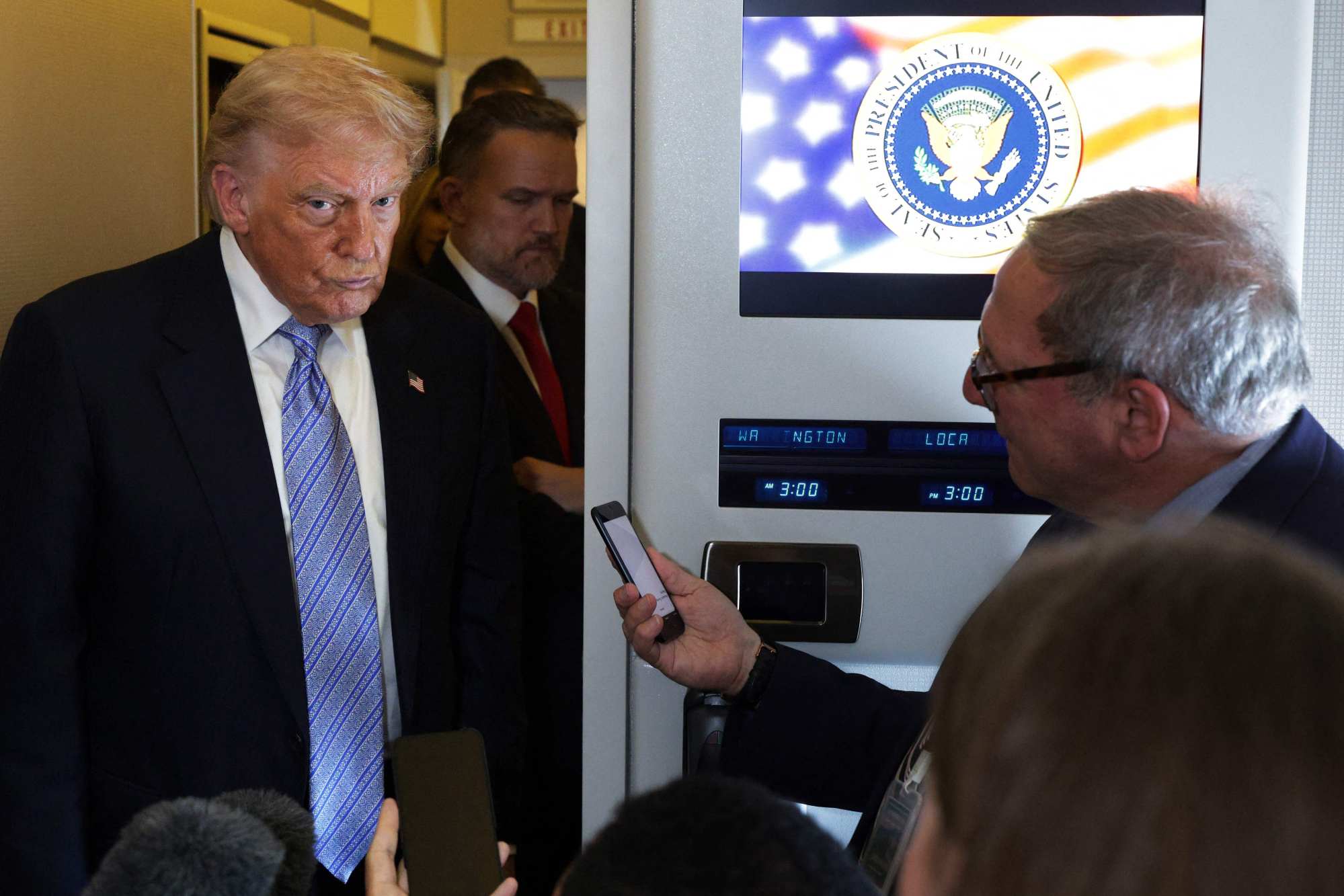
Aboard Air Force One on his return to Washington, Trump played down the significance of the Six Assurances, telling reporters that “1982 is a long way ... a big, far distance away”.
Also alarming Taipei was Trump’s suggestion that a major arms package was a “very good negotiating chip”. That eye-watering US$14 billion package has been put on hold by the Trump administration following strong pushback from Beijing.
DeSombre said the arms package was “currently under review” by Trump and that the president would “determine when that happens”, declining to say whether there was a timeline for its approval.
The South China Morning Post earlier reported, citing multiple sources, that Washington was unlikely to announce new arms sales to Taiwan in the near term, particularly ahead of Xi’s planned visit to the US. Trump has said the Chinese leader would visit in September.
Beijing regards Taiwan as part of China and has vowed to reunify it by force if necessary. Most countries, including the US, do not recognise Taiwan as an independent state, but Washington opposes any attempt to take the self-ruled island by force and is committed to supplying it with weapons.
Asked whether US strikes on Iran could weaken deterrence in the Taiwan Strait, DeSombre said that “our adversaries have looked at the capability of our US military and seen things that they did not expect”, stopping short of naming Beijing.
“I think that has made them think quite seriously,” he said.
Thursday’s hearing was billed as a review of the “America first” approach in East Asia and the Pacific, but Taiwan dominated much of the session, with DeSombre also pressing on matters from the South China Sea to Japan.
Beijing ramped up coastguard operations in the South China Sea this month in response to an announcement by Japan and the Philippines that they would begin formal talks on their maritime boundaries in waters that overlap with Taiwan’s claims.
A US State Department spokesperson earlier described China’s reported harassment of commercial ships as “deeply destabilising”, adding that Washington “rejects any assertion by China of authority to interfere with freedoms of navigation or overflight”.
China’s foreign ministry on Thursday maintained that its activities were “legitimate actions to exercise China’s jurisdiction”, urging countries to respect China’s sovereignty.
DeSombre told the hearing that Chinese activities in the South China Sea “obviously are of utmost concern to us and something we pay attention to quite closely”.
“It’s an area where we are very focused on and really focusing with our allies and partners ... to ensure that we have deterrence along the first island chain. And really ensuring that we have the capacity to ensure that we maintain peace and stability in the Indo-Pacific,” he said. -- SOUTH CHINA MORNING POST


