




In the face of increasing market saturation, China’s ride-sharing and taxi drivers are competing for passengers by offering extra, sometimes quirky, services, from selling snacks to giving haircuts.
In China, ride-sharing driver, delivery rider and courier are said to be the three most popular jobs sought by the unemployed.
China’s ride-sharing market witnessed a boom around 2015 and by 2024, China had 7.5 million licensed ride-sharing drivers.
Meanwhile, the market has become increasingly saturated.
The transportation bureau of Shenzhen in southern China’s Guangdong province, for example, warned in April of the ride-sharing market’s saturation.
According to the bureau, the average daily number of ride-hailing orders completed per vehicle was about 13 in April.
Meanwhile, the price per kilometre offered by ride-sharing platforms also kept decreasing. In some cities outside the rush hour, the price per kilometre can be less than one yuan (US$0.15).
Shenzhen ride-sharing drivers reportedly earned about 300 yuan (US$45) working 12 hours a day, after deducting the costs like car rental fees, charging fees and insurance.
According to a 2025 report by the Research Centre for New Employment Forms in China, the average age of ride-hailing drivers in 13 Chinese provinces is about 40, and 60 per cent of them are the only breadwinner of their family.
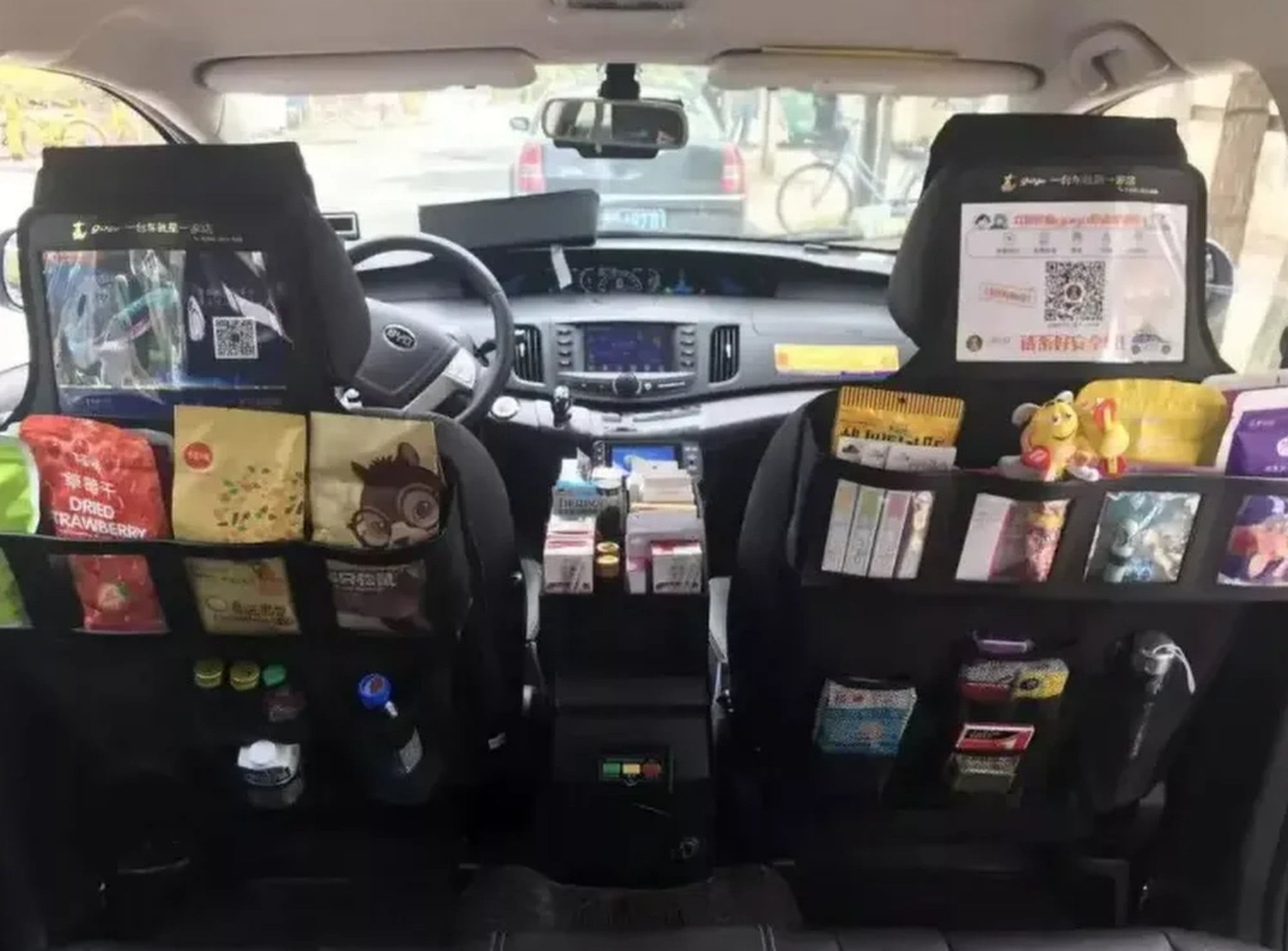
Under the increasing pressure, some racked their brains to boost the customer experience.
Some sold products in their cars.
A driver in Harbin, northeastern China’s Heilongjiang province, sold the fuse beads pixel art his daughter made. In one order, the platform charged 10 yuan (US$1.5) for the trip, but sold the pixel art for 93 yuan (US$14).
Another driver in southwestern China’s Sichuan province sold handmade accessories made by his jobless wife. He treated his car as a “mobile stall” and said the sales were even higher than running a real stall.
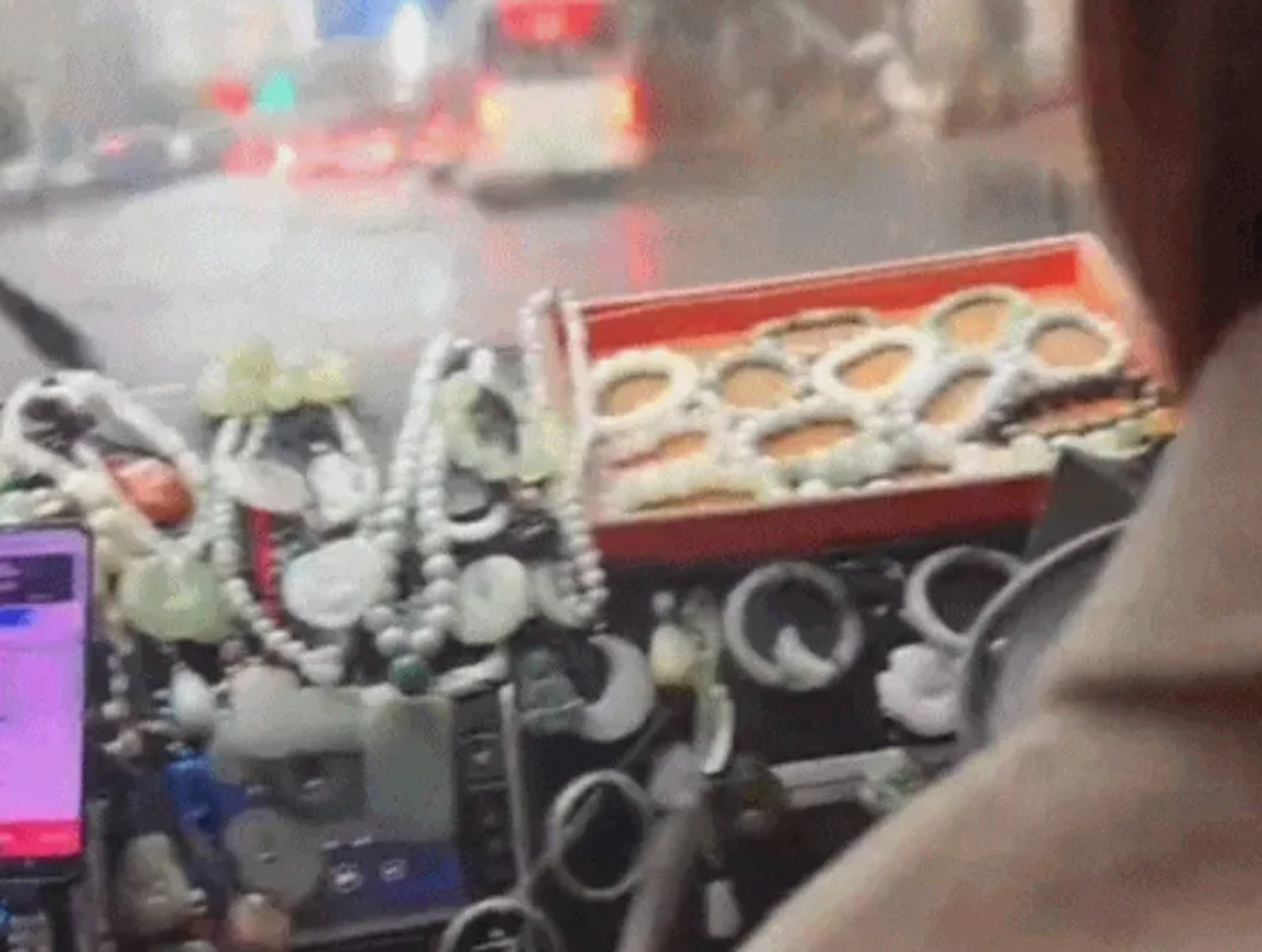
A driver in Shanghai hung jade products everywhere in his car, making it look so resplendent that a passenger thought they had got into the wrong car.
The driver explained that he was originally a jewellery shop owner and ride-sharing was his part-time job.
Some escalated the in-car experience.
One ride-sharing driver put a karaoke machine and a disco ball in the back seat. Passengers could simply sing songs by scanning the QR code.
The karaoke machine also had a rating system. If the passenger got 95 or above, he would give them a drink as a prize.
One passenger reportedly planned to ride 3km, and changed their destination to a place further away after discovering the karaoke and even picked up two friends on the way.
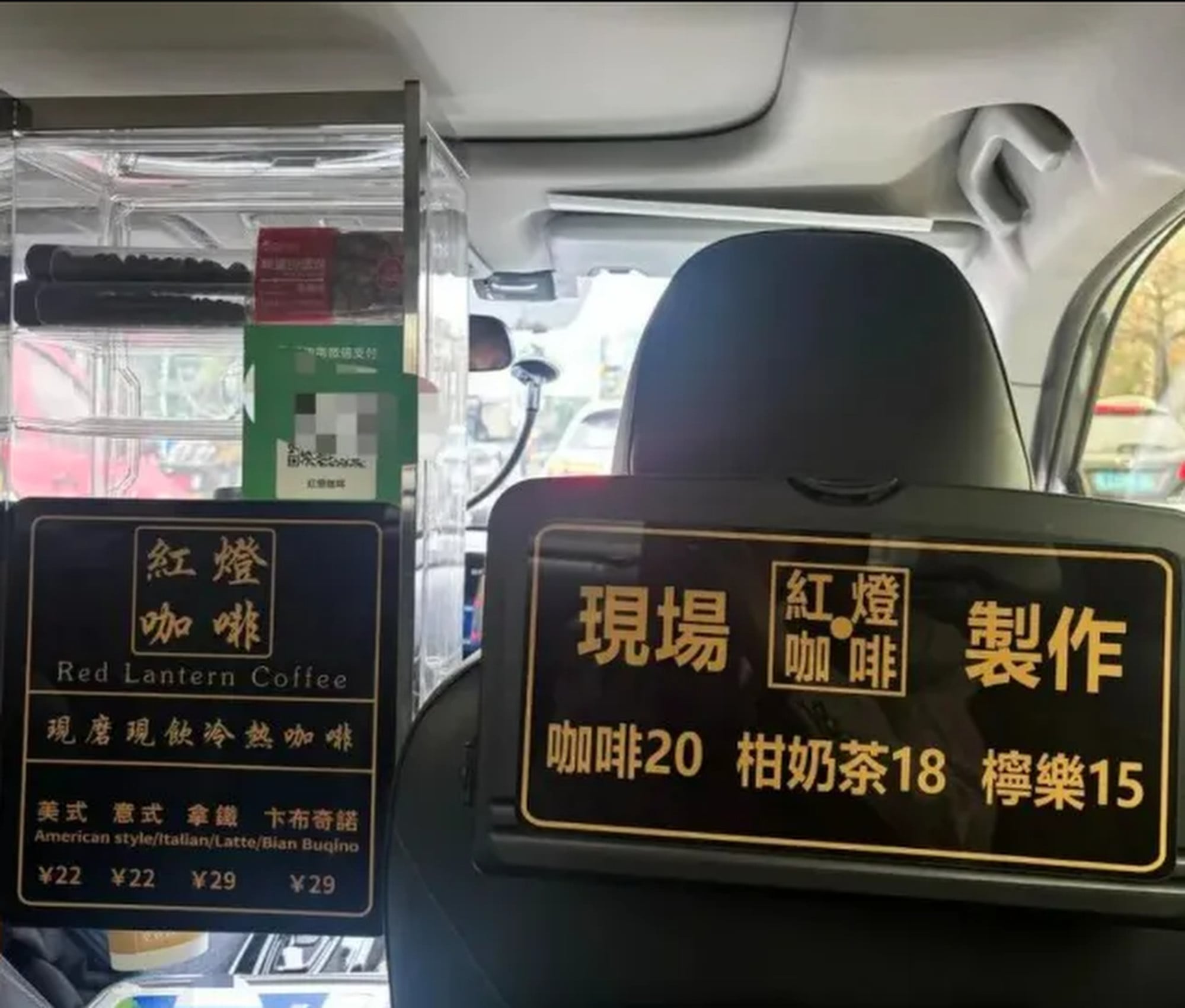
Another opened a cafe in his car, offering americano and latte made “on site”, priced between 22 and 29 yuan.
Some drivers also installed massage mats on the seats, offering an initial two-minute free massage, to induce the passengers to pay for longer service.
The downside is that the passenger cannot choose to not enjoy the free massage. One person who had been diagnosed rib bone fracture hailed one such car, and said he went through a “torture” by the massage mat.
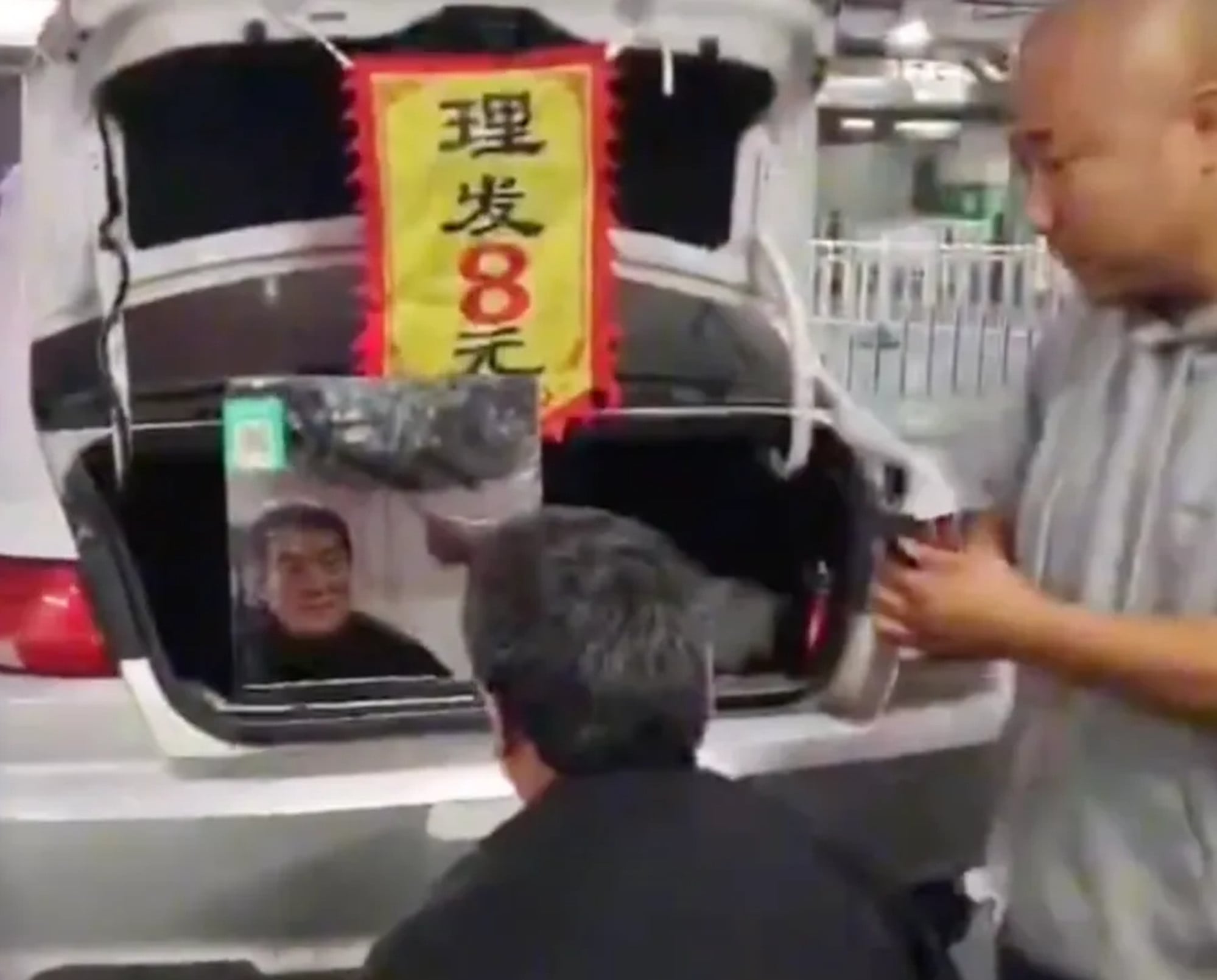
In another case, a taxi driver in eastern China’s Jiangsu province, offered a cheap haircut service priced at only 8 yuan (US$1.2). He would do haircuts while waiting for passengers.
These extra services have been seen as a part of the neijuan game that trapped ride-sharing drivers.
Neijuan, or “involution”, is a term that refers to excessive competition with little gain.
Some drivers would even accept non-profitable orders given by the platforms, in exchange for more opportunities to be assigned a better order.
While some passengers expressed understanding and favour of extra services in cars, some showed safety concerns.
Selling items while providing ride-sharing services is also not allowed by the platforms, which would punish some drivers when their stories went viral.
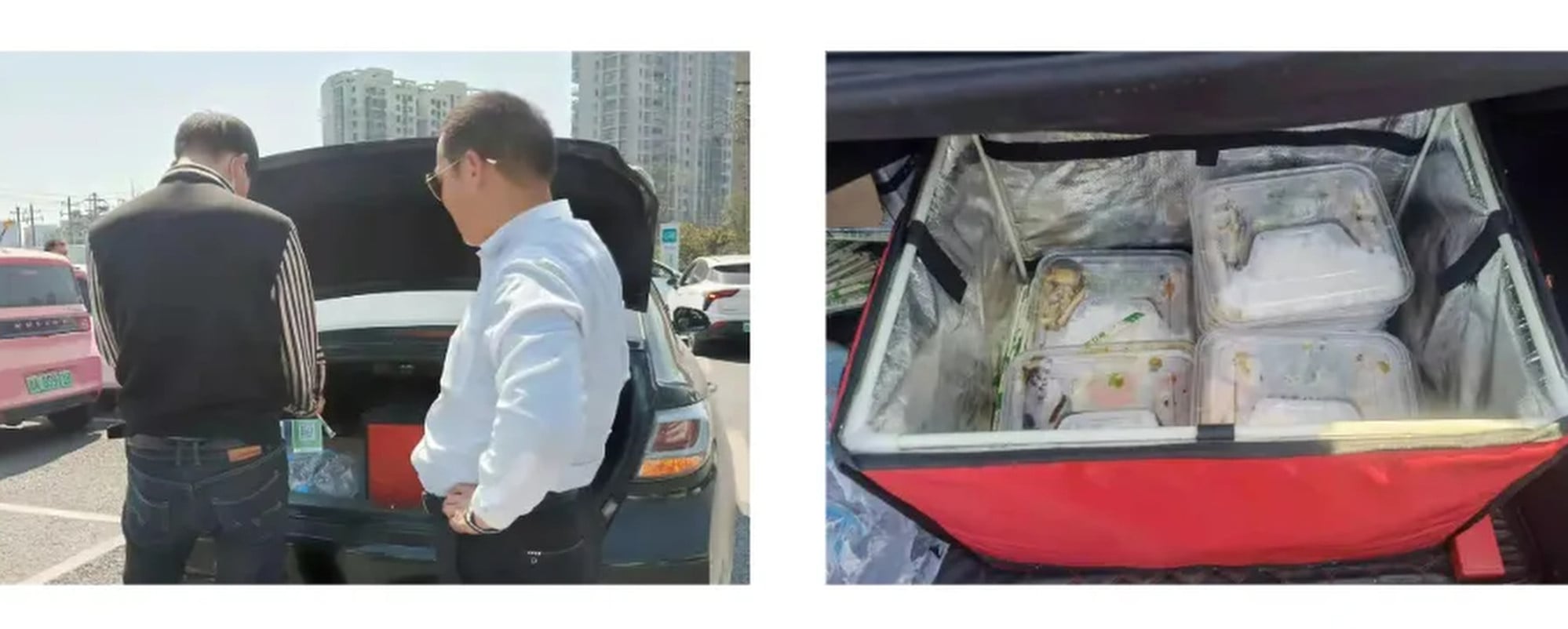
What’s more, drivers also need special licenses to sell food in the car.
“It is very dangerous to place products randomly in the car, especially the one that sells jade products. I support the drivers making more money by selling stuff. They can probably put a catalogue in their cars,” said one online observer.
“I need a karaoke car so badly, must be a very stress-relieving trip,” said another.
“Compared with all sorts of experiences, I would prefer a clean and safe car ride,” said a third. -- South China Morning Post



