
Hong Kong should introduce new rules to ensure the health and safety of newborns delivered at home, lawmakers have said, after a couple were arrested for allegedly neglecting their baby’s welfare by not registering his birth.
The father, Tsang Wai-bong, told the South China Morning Post that he had scheduled a meeting with government social workers on Saturday regarding the guardianship of his two-month-old son Danny, who has been placed in a care home.
Authorities said on Thursday that DNA test results confirmed Tsang and his partner Kwan Pui-sin were Danny’s parents, but more evidence was needed before the birth registration could be completed.
Danny’s home birth in Hong Kong was not registered with the Immigration Department as required by law, with Tsang and Kwan previously declining to submit a DNA test report to confirm they were his parents.
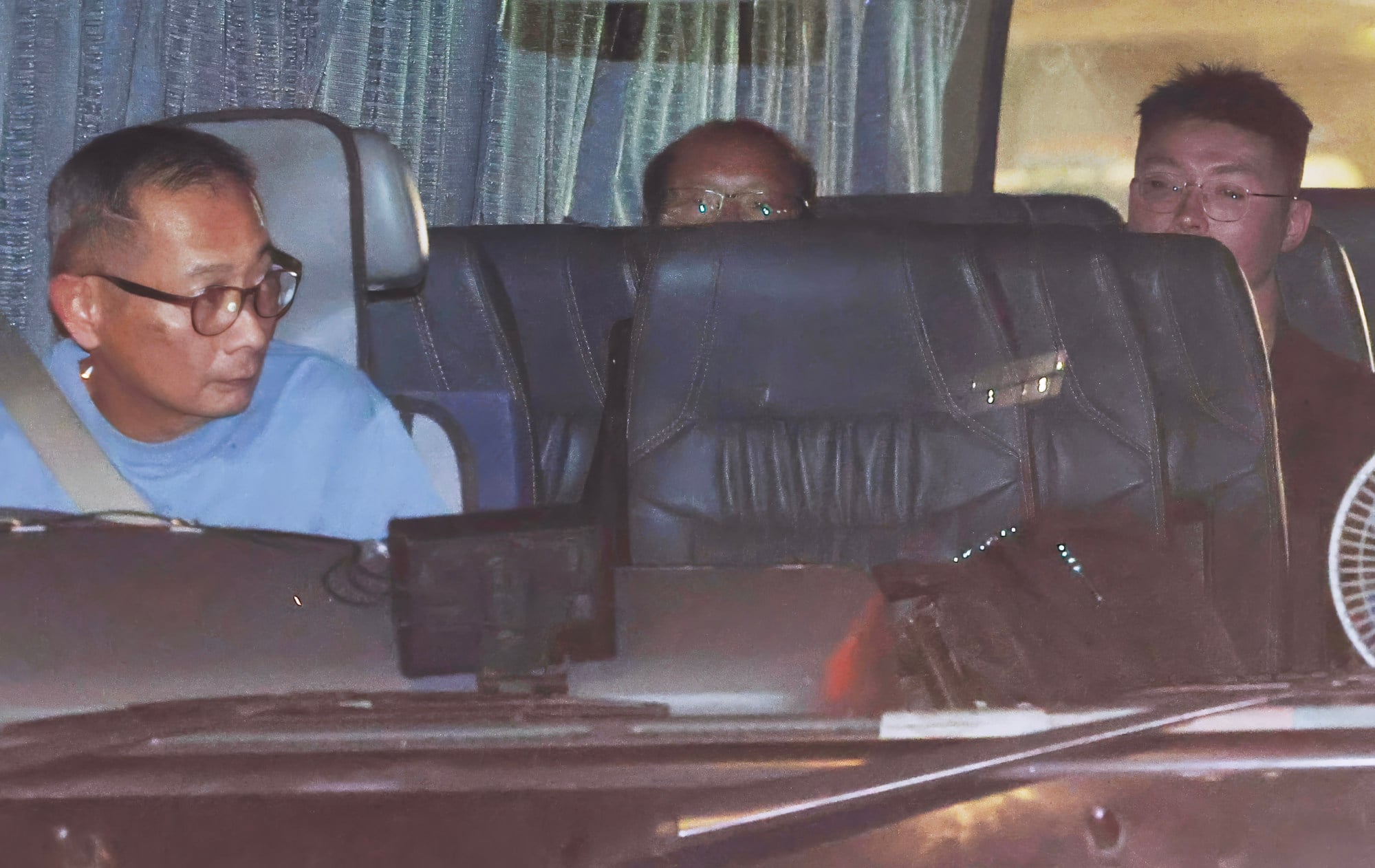
The case sparked citywide concern over Danny’s health and welfare, while revealing that the existing legislation does not have specific provisions for home birth, although the method of delivery is legal.
Social welfare sector lawmaker Grace Chan Man-yee said there was a “legal vacuum” over protecting the health and welfare of babies born at home.
“The case of baby Danny has exposed a clear gap in Hong Kong’s laws on home births,” said Chan, a registered social worker.
“The law only covers the actions of midwives or doctors and the registration of birth. But there is no rule that directly protects a newborn’s health when parents choose to deliver at home without any medical help.”
In Hong Kong, the practice of midwives and doctors is regulated under the Midwives Registration Ordinance and Medical Registration Ordinance. Registered midwives are not authorised to attend unassisted home births.
Parents are required under the Births and Deaths Registration Ordinance to register a birth within 42 days.
Chan noted that while police intervened in the case by arresting Tsang and Kwan on suspicion of child neglect, “it was not the best way to protect a child”.
Chan, chief executive of the Hong Kong Council of Social Service, urged the government to introduce a “clear framework” to close the gap and focus on the welfare of home-born children.
She suggested that parents be legally required to bring home-born babies for a medical check within a set time, as they were duty-bound to ensure the child had qualified medical help at and after birth.
“A child’s right to health must come before a parent’s freedom to choose where to give birth, especially when that choice puts the baby at risk,” she said.
Police on Thursday confirmed that the unmarried couple were Danny’s parents after the pair agreed to provide DNA samples for tests required for his birth registration.
Hours before they were arrested on Tuesday, Tsang, 43, told the SCMP that they had the right to refuse DNA tests because the data was “highly sensitive”.
He said Danny was in good health after seeing a family doctor but did not reveal how the consultation was arranged without a birth certificate.
Tsang and Kwan were each released on HK$1,000 bail on Wednesday night, according to a police source. The force said it would continue its investigation into them.
The Immigration Department said it had been collecting evidence to finalise Danny’s birth registration, including verifying whether he was born in Hong Kong.
“Upon confirming that there are no suspicious circumstances surrounding the case, the department will proceed to complete the birth registration procedures for the infant in accordance with the law,” it said.
It added that it was also seeking information from the Swedish government on the status of the couple’s daughter who was taken into care when the family lived there.
On Tuesday, authorities sent Danny to Caritas Medical Centre in Sham Shui Po for a health check. Initial results showed no obvious injuries and the court later ordered that he be placed in a care home to ensure his safety.
Legislator Reverend Peter Koon Ho-ming said the couple would still have to go through a series of assessments by the Social Welfare Department to examine their suitability to take back the child even though parentage had been established.
Koon also urged the government to consider amending the law to regulate home births.
“Typically, the law is subject to an amendment when someone has done something strange,” he said.
Koon said issues seen in this case had not surfaced previously as society would generally expect parents to seek medical help in an emergency if their children were delivered outside hospitals.
Danny’s situation came to the public’s attention last week through Tsang and Kwan’s social media page, “Save Lily”.
Lily, their second daughter, was born in Finland in 2021 but authorities there refused to register the birth on the grounds her parents’ permanent address was in Hong Kong.
Their first daughter was also home-born in Finland but died at the age of one month.
The family then moved to Sweden, where the parents were arrested on suspicion of money laundering and Lily was placed under the care of authorities there.
Although the money-laundering case was dropped, the custody battle continues as the Swedish care order remains in place. The couple later returned to Hong Kong, where Danny was born.
At midnight on Wednesday, the couple were taken to Immigration Department headquarters to assist with the investigation after being released on bail.
They were reportedly asked to sign a declaration allowing the transfer of their DNA information to Sweden to prove their relationship with Lily.
The couple later said they remained “confident” about the matter.
“We are a little concerned as our son is separated from us, but we believe he will be safe under the care of the Social Welfare Department,” Tsang said.
“We can apply to visit him, but we need to liaise further with social workers.”
He described the arrest as “well-intentioned” to help them verify their relationship with Danny. -- SOUTH CHINA MORNING POST