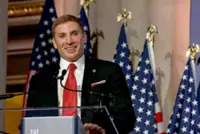
Brazilian President Luiz Inacio Lula da Silva thanked China for clearing the country’s beef of foot-and-mouth disease and fired a barb at US President Donald Trump, saying “I will sell to someone else”, after Washington announced new tariffs on Brazilian goods.
Lula made the remarks on Tuesday, hours after Beijing announced wider access for Brazilian beef to the world’s biggest market for the product.
“As God writes straight with crooked lines, nothing comes free for a Christian man like me. What happened to counter Trump’s measure? China accepted that Brazil is nationally free of foot-and-mouth disease,” Lula said.
“I’m not going to cry [because of US’ decision]. If you do not want to buy from me, you can keep your things and I will sell to someone else,” he said, in a reference to Washington.
The episode offered a fresh example of the contest between China and the United States for influence in Latin America, with Brazil weighing deeper trade ties with Beijing against mounting pressure from the Trump administration.
China’s General Administration of Customs and the Ministry of Agriculture and Rural Affairs announced the decision on Tuesday during a visit to Beijing by Brazilian Foreign Minister Mauro Vieira.
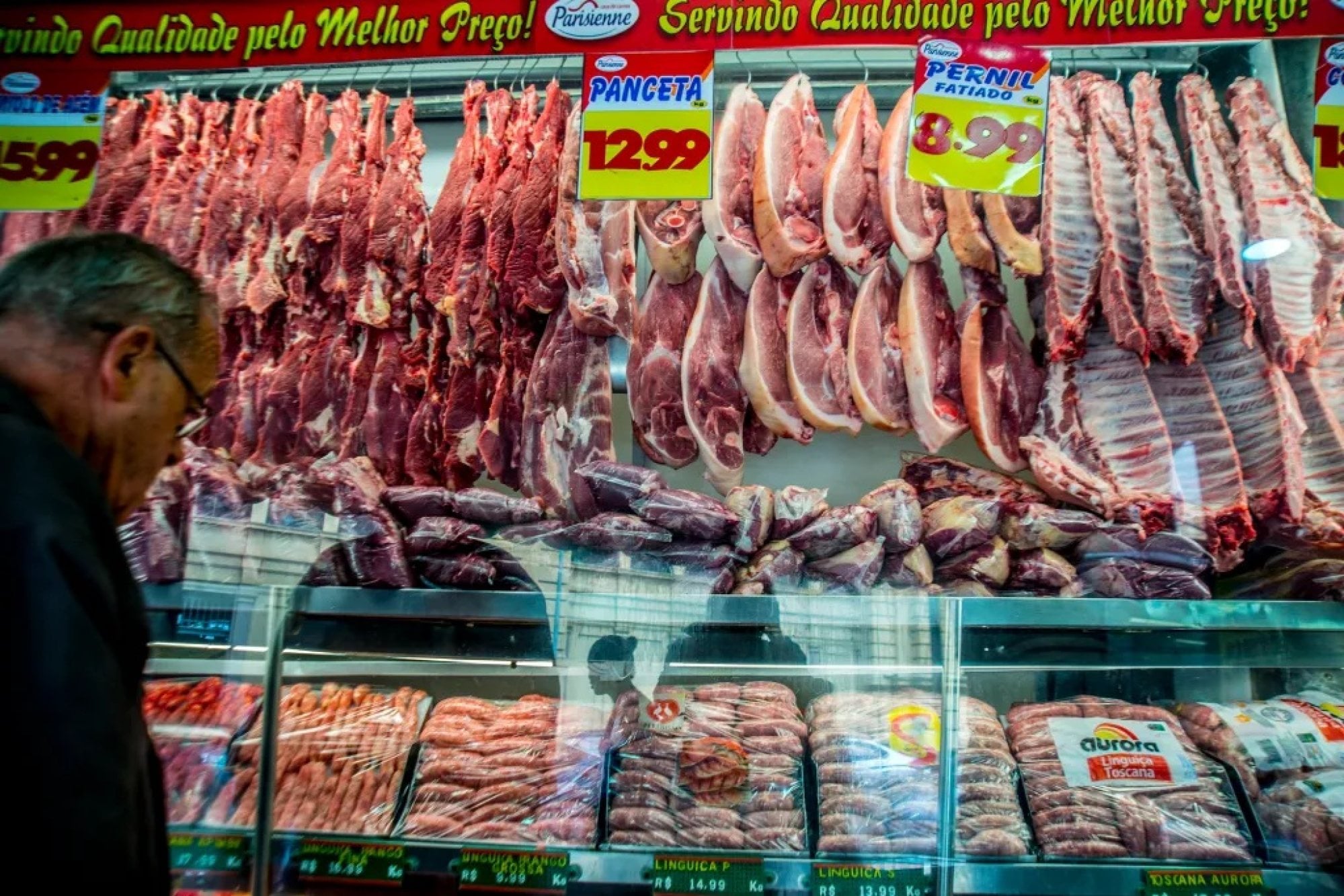
After a risk analysis, Beijing lifted its restriction on northern Brazil and recognised the entire country as free of the disease, according to the Chinese notice. The measure was dated May 29.
The ruling overturned Chinese decisions from 2002, 2005 and 2009, the last of which had treated only Santa Catarina and a group of other states as free of the disease.
China was the main destination for Brazilian beef in 2025, accounting for 48 per cent of the volume, or 1.68 million tonnes worth US$8.9 billion, according to the Brazilian Association of Beef Exporting Industries.
The opening came with limits, as a Chinese safeguard in force since January 1 caps Brazilian beef shipments at an annual quota of 1.1 million tonnes for three years, with a 12 per cent tariff and a 55 per cent surtax above that line.
The Chinese decision landed as Washington moved against Brazilian exports on two fronts.
The office of the US trade representative proposed a 25 per cent tariff on Brazilian goods after concluding an investigation, opened in July 2025, that classified several of Brazil’s practices as unreasonable. The proposal entered public consultation with a list of exemptions.
A second proposal would add a 12.5 per cent tariff over what Washington described as Brazil’s failure to enforce a ban on imports of goods made with forced labour.
The measure, also based on Section 301 of the US Trade Act, placed Brazil in the higher tier alongside China, India, Japan, South Korea and the United Kingdom.
US Trade Representative Jamieson Greer said talks with Brazil had gained momentum but had not resolved Washington’s concerns.
“Over the past year, President Trump and I held several constructive meetings with President Luiz Inacio Lula da Silva and his cabinet, which intensified in recent weeks,” Greer said.
“However, we continue to have substantial differences over resolving the issues identified in this investigation.”
Greer told Vieira that Washington wanted to continue the dialogue, Brazilian news portal UOL reported, citing diplomatic sources, and the South China Morning Post confirmed with independent sources.
The two met briefly on Wednesday in Paris on the sidelines of the Ministerial Council Meeting of the Organisation for Economic Cooperation and Development.
Vieira told Greer that Brazil was also open to talks and that the tariff proposals required intensified negotiations, which remained within a 30-day window agreed by Lula and Trump during the Brazilian leader’s visit to Washington in early May, UOL reported.
The pressure was not only economic, as US Secretary of State Marco Rubio told a Senate hearing that Brazil was not a friendly country to the United States.
Rubio said the western hemisphere was now home to a coalition of more than a dozen friendly nations. He said Washington needed to turn its regional alignment into concrete action after 20 years of neglect, during which China and other powers expanded their influence.
“It is now a region full of American allies,” Rubio said, listing Nicaragua, Cuba, Venezuela and Brazil as the exceptions and noting that Brazil was in the middle of an election cycle.
He spoke days after designating Brazil’s First Capital Command and Red Command criminal groups as terrorist organisations.
Lula hit back at Rubio on Wednesday during a ministerial meeting at the Planalto Palace, calling him a “frustrated Latino” who “does not like Latin America, much less Brazil”.
The Brazilian leader said his country would no longer accept being pushed around by major powers.
“Nobody has to be afraid of anything, we will not bow our heads. We are a democratic and sovereign country,” he said, adding that Brazil would not be treated as an “insignificant little republic”.
The president said he had been caught by surprise by the measures and had learned of them through social media. He pledged to send a new letter to Trump and to write articles in the international press.
He said he did not want conflict with either China or the US, adding that Trump was not the emperor of the world. Lula said he would raise the dispute at the next Group of Seven summit. -- SOUTH CHINA MORNING POST