




Across the vast United States, soybean farmers caught in the crossfire of the US-China trade war hoped for a deal on the crop when US President Donald Trump met with his Chinese counterpart Xi Jinping.
There was optimism after the two presidents met in Busan, South Korea, in October, when China committed to increased soybean purchases.
This time, however, Trump left Beijing without any concrete agricultural announcements, much less one about US farmers’ biggest export.
Instead, a general commitment about US agricultural products surfaced two days later in a brief White House readout, leaving some US farmers wary over the lack of detail despite welcoming the renewed pledge.
China has now agreed to purchase at least US$17 billion per year of US agricultural products from 2026 through 2028, in addition to the soybean purchase commitments that it made in October 2025, the White House statement read.
“We want to make sure that there is a commitment that’s got some teeth in it,” said Darin Johnson, a fourth-generation corn and soybean farmer from Minnesota, after the readout came out.
“We would prefer to have some sort of signed agreement to make sure they are fully committed to it.”
The soybean commitments were agreed upon during Trump and Xi’s meeting in South Korea, where Beijing pledged to buy 12 million metric tonnes in the remainder of 2025 and at least 25 million tonnes of US soybeans yearly from 2026 to 2028.
Based on the US Department of Agriculture's latest projected season-average price, those purchases would be worth around US$10.5 billion.
Combined with the additional US$17 billion commitment for other agricultural products, the total annual pledge would reach roughly US$27.5 billion yearly – approaching, but still below, the record US$40.9 billion in US agricultural exports to China in 2022.
Johnson, who is the president of the Minnesota Soybean Growers Association and sits on the board of directors at the American Soybean Association, said they are “cautiously optimistic” and pointed to a phase one agreement between the two countries in Trump’s first term, where China promised to buy US$40 billion to US$50 billion worth of agricultural products from the US.
“There was supposed to be another phase two commitment to purchase more soybeans from us, and that never came to fruition,” he said.
“We mainly want to make sure that they stay committed to purchasing US agricultural products, especially when it comes to soybeans.”
Maryland farmer and president of the Frederick County Farm Bureau, David Burrier, expressed excitement about May’s deal, but found some of the details “somewhat vague”.
“I think it’s more about the dollars than necessarily what grain it is or exactly how many bushels it is,” he said. “Sorry to be vague, but that’s kind of the details I’m seeing.” The Burriers grow corn, wheat, soybeans and hay.
In addition to the trade war, it has been a hard few years for farming, with three dry years and rain coming at the wrong time or not at all. Burrier said the South Korea deal brought relief.
“They put together a deal last year where China came back to the table, and so far this year, in the first quarter, I think they purchased about 5 billion bushels,” he said. “We want to sustain that, if that makes sense.”
This year has been especially tough. The Iran war continues to hurt the industry, with fuel and fertiliser prices having shot up 40 per cent since it began, Burrier explained.
Despite the renewed commitments between Trump and Xi, farmers remain wary after years of tariff-driven volatility. When Trump returned to office in 2025, he made tariffs a signature focus of his second term agenda.
America’s agricultural exports to China have fallen sharply since back-and-forth tariffs were imposed, stymying trade and, according to USDA data, leading to a 65.7 per cent year-on-year drop to US$8.4 billion in 2025.
At the height of the trade war, soybean purchases from China – once the largest buyer of US soybeans – fell to almost zero.
“My stance has always been that tariffs hurt us,” Burrier said, adding that “they absolutely hurt the American farmer because they take demand away.”
Johnson also voiced concerns about tariffs. US soybeans entering China face a 13 per cent tariff, compared with only a 3 per cent tariff for Brazilian soybeans.
Brazil is the US’ largest competitor in soybean exports to China, and according to customs data, it accounted for over 70 per cent of China’s total soybean imports last year.
“We unfortunately are not on a level playing field when it comes to tariffs, and that’s something we’re hoping to keep working on into the future,” he said.
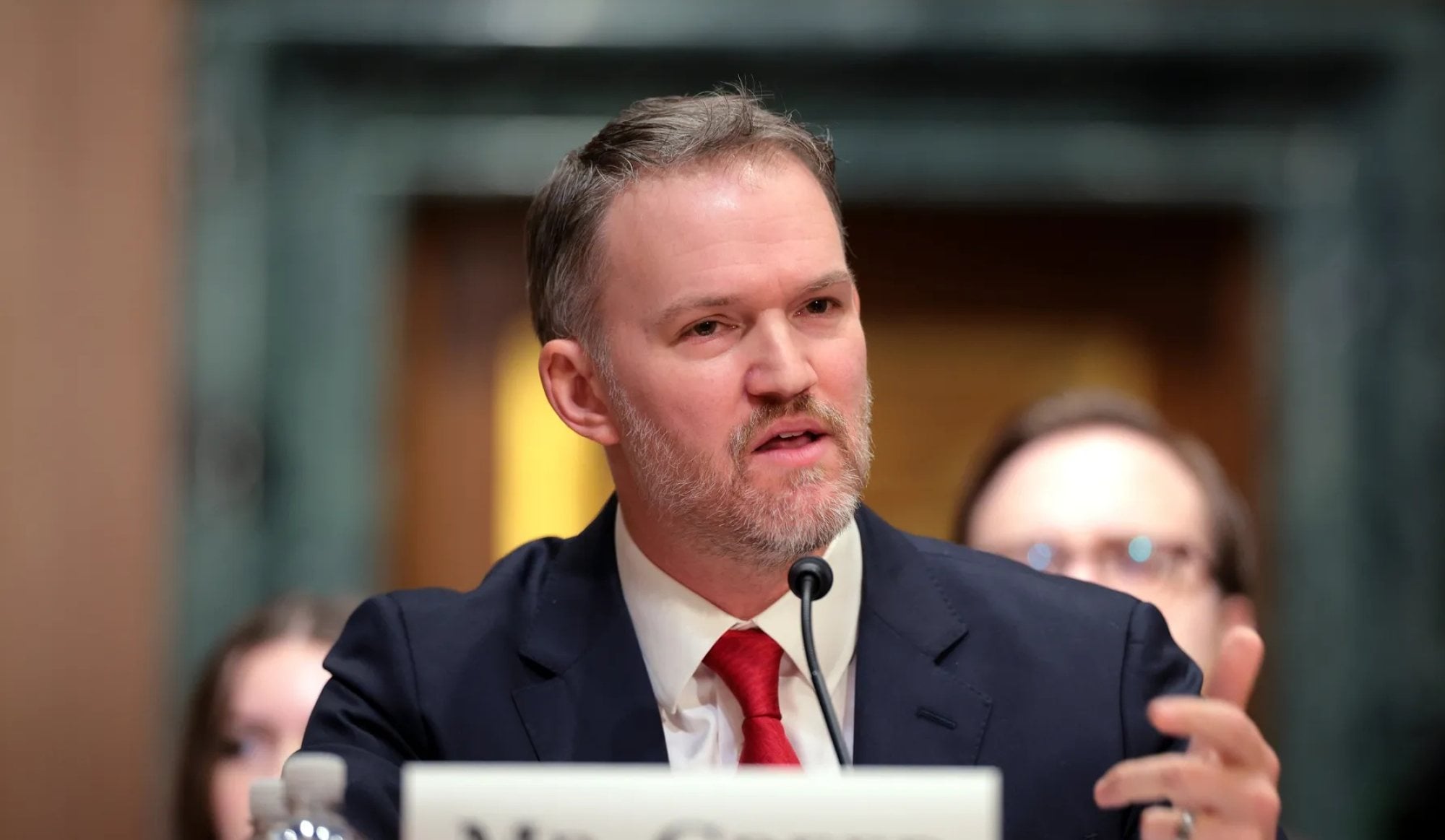
Whether that happens remains unclear. US Trade Representative Jamieson Greer announced on Tuesday that the government would seek public comment on which Chinese goods qualify for lower tariffs under the new bilateral “Board of Trade”.
The joint board is to initially determine around US$30 billion of non-strategic goods on which the US and China can eliminate or lower tariffs.
While the US$17 billion commitment takes Chinese imports of US agriculture closer to their peak, fulfilling this could be difficult given the history of broken deals and miscommunication between the two countries.
Although the details on May’s deal remain vague, Burrier emphasised that they see the “Chinese trade partner as a big deal”, calling “any grain move to China is absolutely positive”.
Johnson is hoping the deal becomes more concrete when Xi visits the US later this year, in September – a planned trip that came out of the summit.
“We’re hoping when President Xi comes to the United States that maybe we’ll end up seeing an actual signed commitment moving forward,” he added. -- SOUTH CHINA MORNING POST



