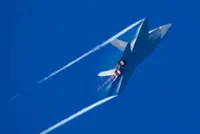
China’s military said on Wednesday that it had used measures including electronic interference to drive away a Dutch warship near the disputed Paracel Islands, and in a rare move accused the Dutch navy of triggering “miscalculation”.
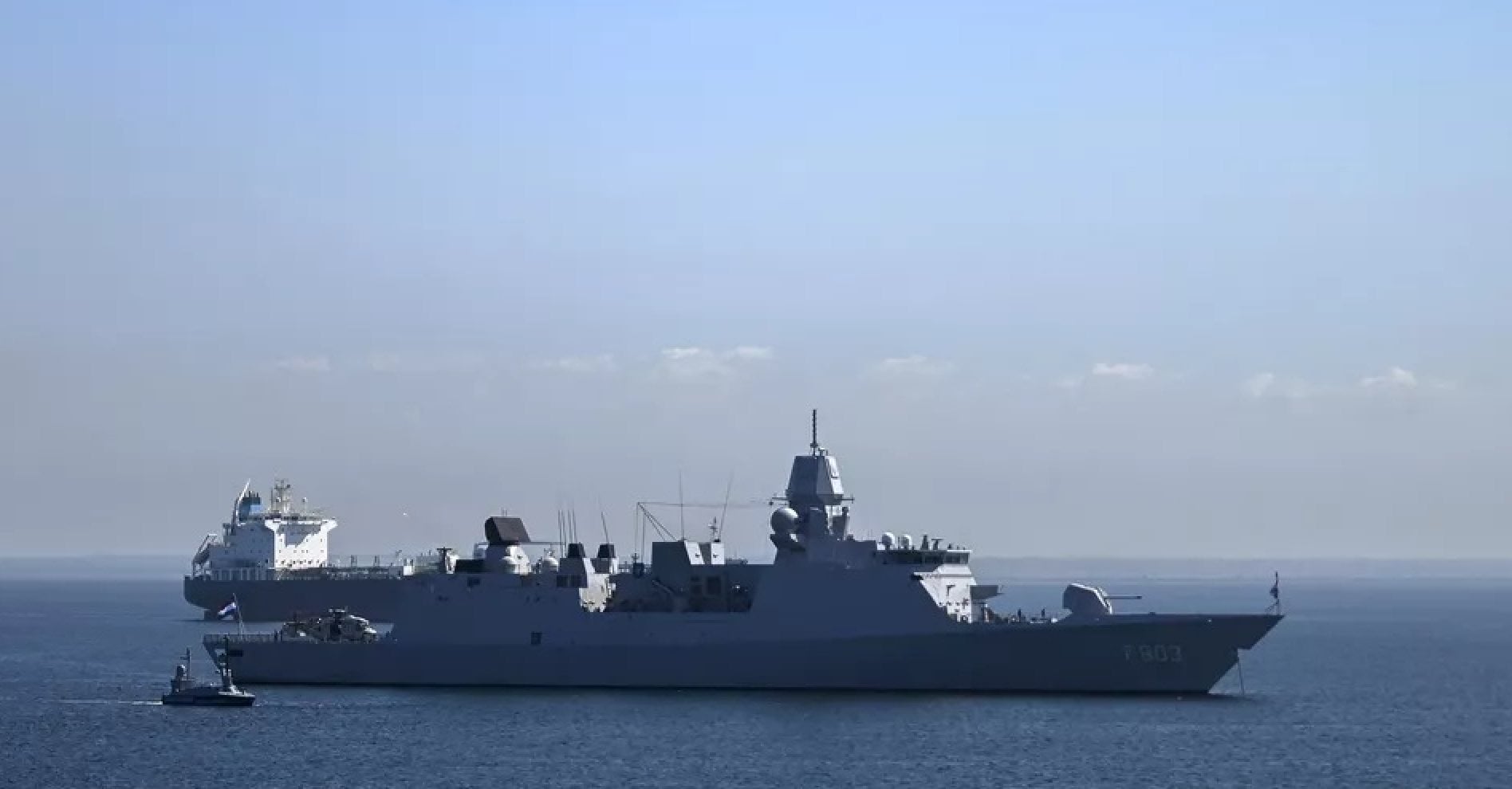
The People’s Liberation Army’s (PLA) Southern Theatre Command, which oversees the South China Sea, said in a post on its official WeChat account on Wednesday evening that the Dutch frigate De Ruyter had “illegally intruded into China’s Xisha Islands” and that its shipborne helicopter had “repeatedly taken off and entered Chinese airspace”.
The Paracel Islands, known as Xisha in China and Hoang Sa in Vietnam, lie just over 300km (190 miles) from Hainan, China’s tropical island province.
The Southern Theatre Command “organised naval and air forces” and “took necessary measures including verbal warnings and warning electronic interference” to expel the ship, the command’s spokesman Zhai Shichen said.
Zhai condemned the Dutch navy’s actions as “seriously infringing on China’s territorial sovereignty and the security of its sea and airspace, seriously violating international law and basic norms of international relations, and seriously undermining peace and stability in the South China Sea”.
In a rare wording, Zhai said the Dutch frigate was “extremely liable to trigger misunderstanding and miscalculation”.
“We firmly oppose this, and solemnly warn the Dutch side to immediately stop its infringing and provocative acts,” Zhai added.
“Forces in the theatre remain on high alert at all times, and will resolutely defend national sovereignty and security and regional peace and stability,” Zhai said.
The Netherlands has not issued a statement on the incident, and the Dutch defence ministry did not immediately respond to a request for comment.
Beijing claims sovereignty over most of the resource-rich South China Sea, while Southeast Asian countries including Vietnam, Malaysia, Brunei and the Philippines have competing sovereignty claims over the islands.
The Southern Theatre Command has previously expelled foreign assets from the South China Sea on multiple occasions, including US warships and Australian military aircraft.
At the time the PLA expelled the Dutch warship, the Chinese aircraft carrier Liaoning and its strike group were conducting live-fire exercises in Pacific waters east of the Philippines, after the carrier had just concluded an extended deployment in the South China Sea.
The friction also came as China and the Netherlands were caught in trade tensions over control of the semiconductor maker Nexperia and over export restrictions on ASML’s lithography equipment.
What is the Netherlands’ De Ruyter ship doing in the South China Sea?
The Netherlands’ De Ruyter frigate was commissioned in 2004 and, after upgrades, is now capable of launching Tomahawk cruise missiles.
According to a Dutch defence ministry announcement in February, the De Ruyter would from April undertake a five-and-a-half-month Indo-Pacific voyage, aimed at strengthening ties with countries in the region.
The De Ruyter made a port call in Manila from Friday to Sunday, conducting interoperability drills with the Philippine Navy including communications and manoeuvring, according to a Philippine media report.
The report added that the ship would head to Hawaii to join the 2026 Rim of the Pacific Exercise from June 24 to July 31.
The last time a Dutch warship was spotted in waters near China was in 2024.
In June that year, the PLA’s Eastern Theatre Command scrambled fighter jets in the East China Sea to drive away the shipborne helicopter of the Dutch navy frigate Tromp, which was patrolling the area in support of a multinational UN coalition helping to enforce maritime sanctions against North Korea.
China’s defence ministry at the time “sternly warned” the Dutch navy against “provocative” actions and urged restraint.
South China Sea Strategic Situation Probing Initiative (SCSPI), a Beijing-based think tank, said in a report released on Tuesday that countries including Britain, France and the Netherlands had “a long colonial history” in the Asia-Pacific and “close military, political and diplomatic ties with many countries in the region”.
As a result, the report said, some European countries that “previously seldom participated in Asian security affairs”, including the Netherlands, were reinforcing their military presence in the western Pacific. -- SOUTH CHINA MORNING POST