




A Chinese man who endured three years of intense pain while urinating finally went to the hospital and discovered he had a 1.3kg stone in his bladder.
The man, 56, from southern China’s Guangdong province, surnamed Chen, recently went to the Xuwen Hospital, Affiliated Hospital of Guangdong Medical University, to have his bladder checked.
Chen had experienced frequent and painful urination for three years. The symptoms had become so serious recently that he dared not travel far during the day and could not sleep at night.
As a farmer, Chen did not want to delay his work and bought medicine in an attempt to treat the illness by himself.
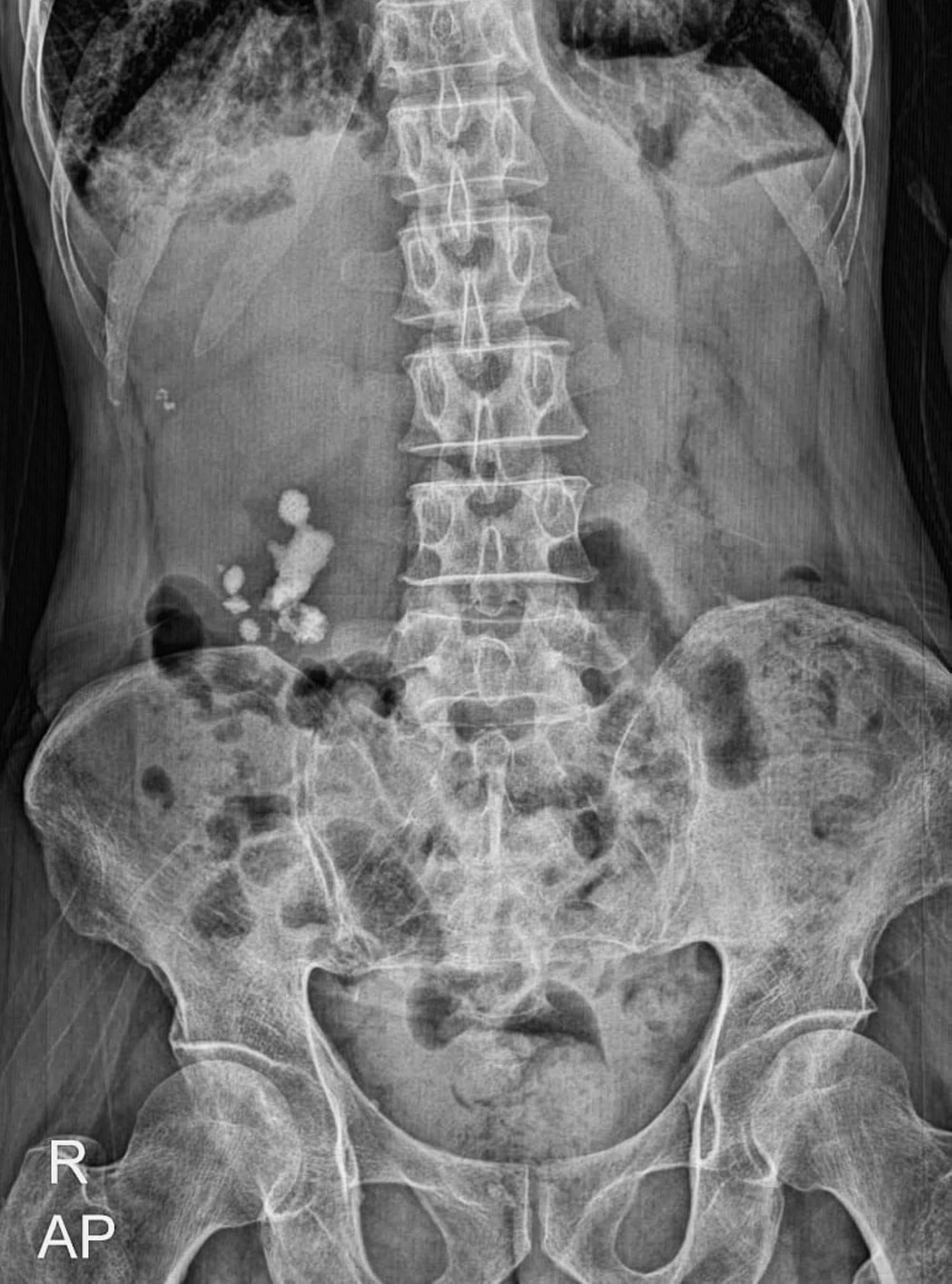
Chen was diagnosed with a giant 10cm by 13cm stone in his bladder.
A scan revealed that the stone had almost occupied the whole bladder. It was reported to be the largest bladder stone in the Western Guangdong region.
The stone had also caused bilateral hydronephrosis, a condition where both kidneys swell from urine build-up and cause a severe urinary tract infection.
His doctor said that the stone had been pressuring the bladder wall and damaging his kidney function and could potentially lead to uraemia because had he not received treatment in time.
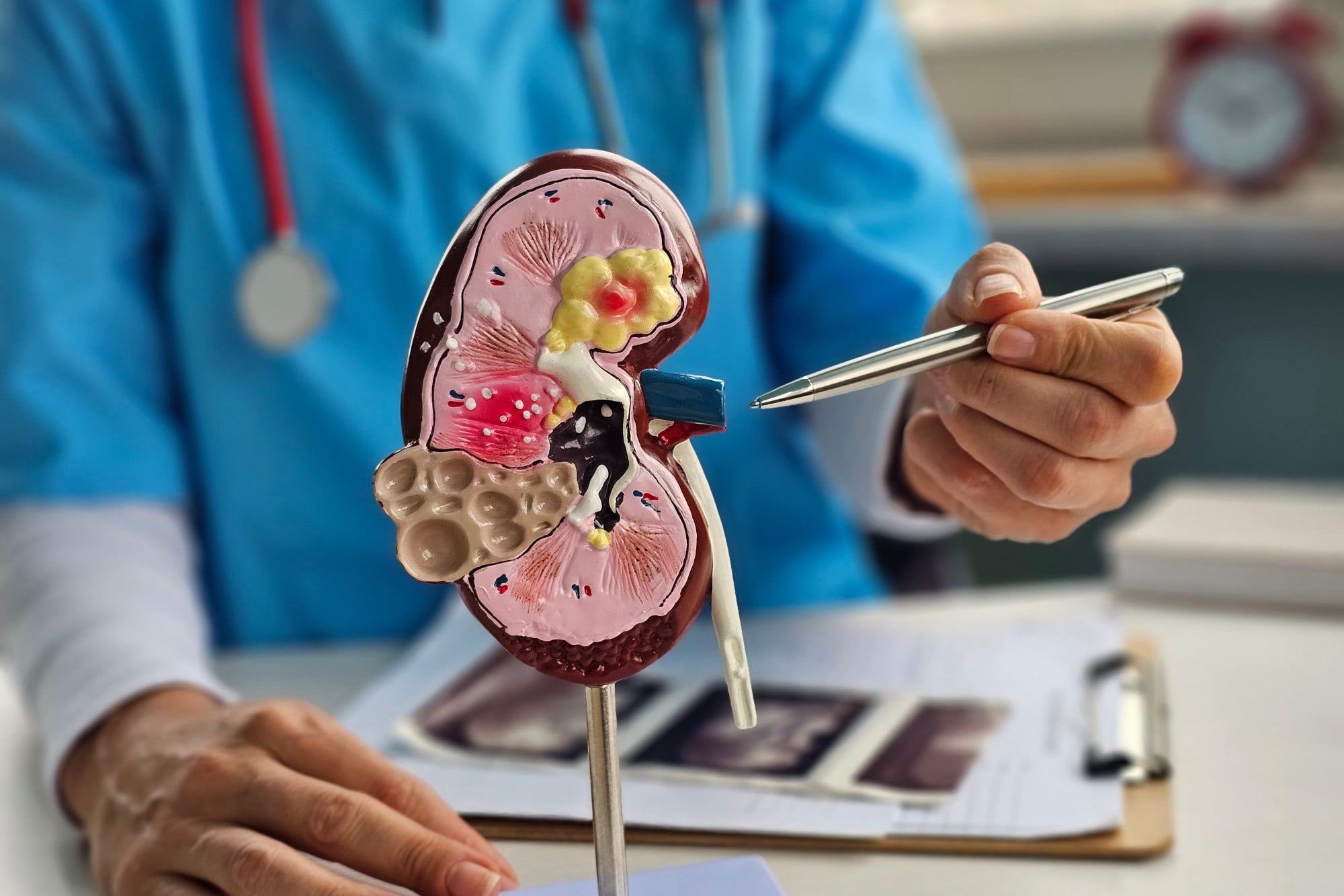
The medical team designed a surgery plan for him and eventually removed the stone from his bladder successfully. It weighed 1.3kg and was the size of two adult fists.
As the case was reported in May, Chen was said to have been recovering well.
Chen’s doctor did not reveal the reason behind his bladder stone, but according to urologist Wang Guangchun at the Shanghai Tenth People’s Hospital, the bladder stone is usually formed from the urine remaining in the bladder for a long time.
This could be caused by enlarged prostate, which happened more in ageing men, and bad life habits such as being sedentary, or consuming insufficient water.
Chen’s doctor also advised people to drink plenty of water, empty the bladder regularly and treat minor diseases such as enlarged prostate and urinary tract infections in time, to prevent bladder stones from forming.

Wang warned people with interrupted or painful urination to have a body check.
“His bladder stone looks larger than his bladder,” an online observer said.
“He must have very strong mental power to stand such a giant stone,” said another.
“When feeling uncomfortable it is necessary to go to the doctor immediately,” a third person said. -- SOUTH CHINA MORNING POST


