




Chinese Foreign Minister Wang Yi took a swipe at the United States at a press conference at the United Nations on Tuesday as he touted the need to safeguard multilateralism and the UN Charter in times of great instability.
“As we have seen for the recent period of time, the purposes of the UN Charter have been disregarded, the basic norms of international relations have been undermined, and world peace and security are in great jeopardy,” Wang said, without mentioning the United States or US President Donald Trump by name.
“At this critical juncture, we believe that the Security Council must step forward, and the Security Council must shoulder its responsibilities.”
China’s top diplomat also expressed hope that the US and Iran can “meet each other halfway” so peace can return to the Mideast.
China assumed the presidency of the UN Security Council in May, a rotating one-month position shared among the council’s 15 members, with Wang in New York to support his nation as it led the top UN body.
It was not immediately clear whether Wang would meet with US Secretary of State Marco Rubio during his time in the US. The State Department declined to respond to a question on Rubio’s schedule.
Rubio is expected to return to his desk on Wednesday after a weeklong trip to Nato meetings in Sweden and Quad meetings in India.
But Wang was expected to meet with Panamanian Foreign Minister Javier Martinez-Acha on Tuesday. The diplomat did not address freighted bilateral relations between Beijing and Panama City during Tuesday’s media “stake out” at UN headquarters.
China-Panama relations have deteriorated after Panama City revoked CK Hutchison’s right to run two canal ports. China has since stepped up inspections of Panama-flagged vessels, although it has denied this is a reprisal, even as it accused Washington of a canal grab.
Among the priorities China set out for its month-long council presidency were promoting development, especially as it related to the Global South, strengthening multilateralism, bolstering the UN Charter, pushing for UN reform, and, above all, helping achieve a ceasefire in the Iran war launched by the US and Israel.
“We’ll try our best to work on our American friends, but how much influence we can have, I’m not sure,” said Fu Cong, China’s UN ambassador, earlier this month.
While each month-long council presidency sets ambitious goals, realistically, it is hard to make much progress on significant agenda items within a bureaucratic institution in 30 days.
China has tended to avoid spending much of its political capital on solving entrenched global conflicts, preferring instead to urge “win-win” solutions and leave the heavy lifting to others.
As Trump’s war has become more entrenched, he has urged Beijing to take a larger role in arm-twisting Iran into capitulating and opening the strategic Strait of Hormuz without much luck.
Wang said on Tuesday, without providing any details, that China has been in touch with Iran, the US, Pakistan and other major parties in a bid to bring an end to the three-month conflict in the Middle East.
“China has been working diligently to de-escalate the current conflict,” said Wang, speaking in a low voice through an interpreter. “As we have been saying, it takes more than one cold day to freeze three feet of ice, and long-standing issues cannot be resolved overnight.”
Wang’s trip follows the summit earlier this month between Chinese President Xi Jinping and Trump, the first trip by a US president to Beijing in nine years.
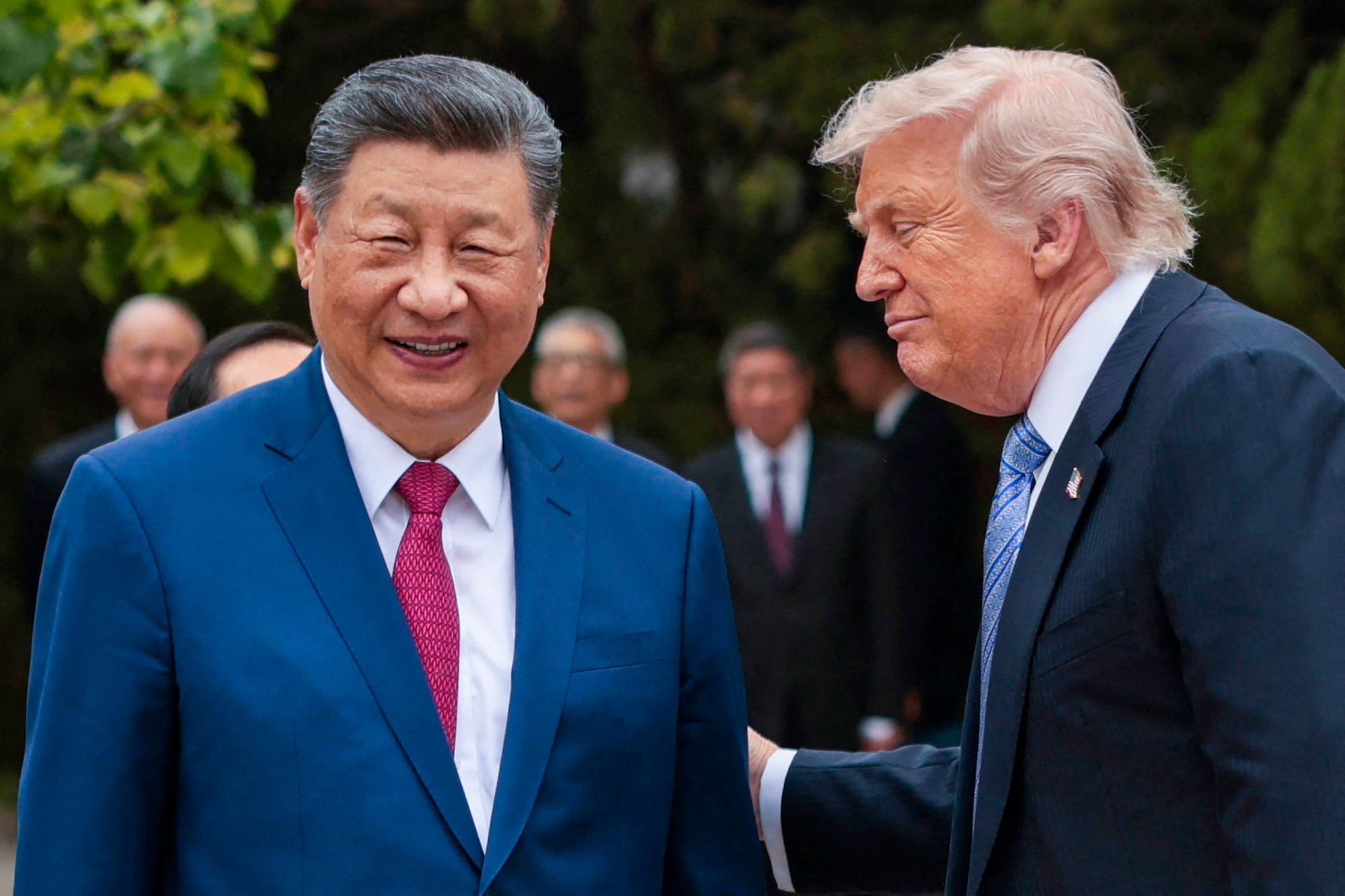
Despite the good vibes and fulsome statements of friendship, however, the meeting did little to address deep-seated problems between the two giants, including export controls, tech, rare earths and tensions around Taiwan and the South China Sea.
Questions have also grown louder about the summit’s deliverables, as many failed to materialise, fell short, or were postponed. After Trump gushed over a Chinese order for 200 aircraft, Boeing’s stock fell amid expectations that China would agree to as many as 400 jets.
And there are still few details on a much-touted soy deal other than word that China agreed to buy at least US$17 billion worth of farm products through 2028. But that is still well below the record US$40.9 billion in Chinese agricultural purchases set in 2022.
“The status of the United Nations at the centre can only be strengthened, not weakened,” Wang said optimistically. “We don’t want international relations to return to the law of the jungle.”
Wang is scheduled to stop in Ottawa on his way home, the first visit to Canada by a Chinese foreign minister in a decade, following a recent diplomatic thaw between the two countries.
Wang, a former ambassador to Japan, said the trend towards multilateralism is unstoppable – a view that Trump, with his pronounced “America first” views, disputes.
“Having international affairs monopolised by one or two countries is not in line with these trending terms,” Wang said. -- SOUTH CHINA MORNING POST


