Argentina is on the verge of settling its debt with China’s central bank, winding down a currency lifeline that kept the country afloat during years of financial turmoil and now sits at the centre of a geopolitical tug of war between Washington and Beijing.
Government officials confirmed to Argentine outlet Todo Noticias on Sunday that the repayment of the activated portion of the swap will be completed by mid-2026.
Central bank records published last week show Buenos Aires has repaid nearly 90 per cent of the funds it tapped from the arrangement, a mechanism that allows two central banks to lend each other their currencies in times of need. The outstanding balance fell from a peak of about US$5 billion to roughly US$675 million by mid-January, with the remainder due to mature over the coming months.
According to the central bank’s annual financial statements for 2025, released last week and reported by Infobae, Argentina still owed the equivalent of US$3.1 billion at the end of 2024.
By the end of December, that figure had been cut to US$1 billion, and by January 14, the most recent date covered by the report, it stood at US$675 million. The central bank had agreed with the People’s Bank of China in April last year to renew the full activated tranche for an additional 12 months, with a gradual reduction beginning the following June.
But the money Argentina is paying back was only a fraction of the deal. The full framework agreement, signed in 2009 and most recently renewed in August 2023 for three years, covers up to 130 billion yuan (US$19 billion).
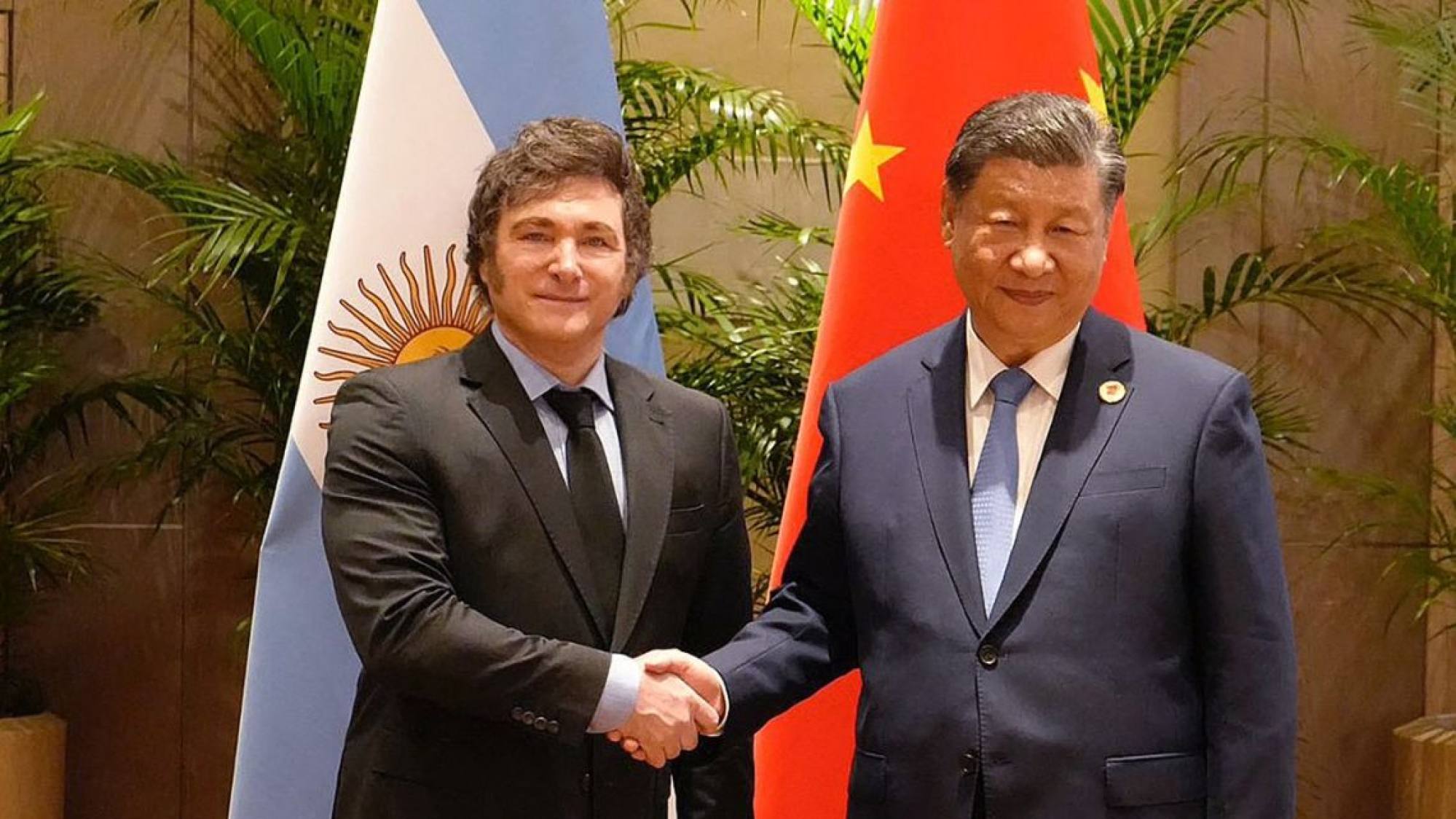
That umbrella arrangement expires on August 6 and neither side has said publicly whether it will be extended. All tranches within the framework were renewed during 2025, with the next maturities falling in July 2026.
Officials at the Casa Rosada told local media they saw no objection to a renewal. The Economy Ministry and the central bank declined to comment.
If the framework lapses, Argentina would not suddenly owe US$19 billion. The figure represents a credit line available on demand, not an outstanding debt. What the country would lose is the ability to call on those funds in a crunch, a backstop it has relied on for over a decade to shore up reserves and pay for imports from China, its second-largest trading partner.
Washington spent much of last year pressing Argentina’s president Javier Milei to cut the cord, and the speed of the repayment reflected that pressure.
In April 2025, Mauricio Claver-Carone, US President Donald Trump’s special envoy for Latin America at the time, called the arrangement “extortionate” and warned that American support for Argentina’s loan request to the International Monetary Fund depended on Milei distancing himself from Beijing.
Later in September, during meetings on the sidelines of the UN General Assembly in New York, senior US officials made the message more explicit, tying future financial help to winding down the Chinese credit line.
The push culminated a month later, when Treasury Secretary Scott Bessent announced a US$20 billion swap between the US Treasury’s Exchange Stabilisation Fund and Argentina’s central bank.
The deal was signed days before local legislative elections in which Washington had signalled its support was linked to the political outcome.
Bessent told Fox News that Milei was “committed to removing China” from the country and described Argentina as “a beacon for Latin America”.
Argentina drew US$2.5 billion from the American facility and repaid it in full by December, generating what Bessent called “tens of millions” in profit for US taxpayers. He later clarified that Washington’s concerns went beyond the swap itself to Chinese-linked ports, military installations and observation facilities on Argentine soil. The US agreement remains in force.
Milei had described China as an “assassin” state during his 2023 presidential campaign but struck a different tone once in office, calling Beijing “a very interesting commercial partner” after the renewal.
The central bank still counts the full US$19 billion framework as part of Argentina’s gross reserves. The roughly US$675 million that remains active is due to be fully unwound before the August expiry, leaving the renewal as the next decision Buenos Aires must navigate between its two largest financial counterparts. -- SOUTH CHINA MORNING POST