




The United States is expected to unseal criminal charges against former Cuban leader Raul Castro on Wednesday in a move that could further deepen tensions between Washington and Havana and inject new strain into an already volatile regional relationship.
Multiple US media outlets, citing US Justice Department sources, have reported that federal prosecutors in Miami are preparing an indictment tied to Cuba’s 1996 shooting down of two civilian aircraft operated by the Miami-based exile group Brothers to the Rescue. Raul Castro, then Cuba’s defence minister and the country’s second most powerful figure after his brother Fidel Castro, has long been linked by exile groups and US officials to the incident.
If confirmed, the case would mark the first time Washington has sought criminal charges against one of the Castro brothers, whose revolution transformed Cuba into a communist state aligned against the United States for decades.
The expected indictment comes amid a broader hardening of US policy towards Cuba under US President Donald Trump’s second administration, which, since January, has significantly tightened sanctions, increased pressure on foreign fuel suppliers and openly questioned the legitimacy of Cuba’s government.
Washington has framed the measures as part of an effort to force political change on the island, while Cuban officials accuse the US of attempting to engineer economic collapse.
In recent weeks, tensions between the two countries have risen sharply.
Earlier this month, Trump signed an executive order significantly expanding Washington’s sanctions powers against Cuba, authorising penalties not only on Cuban officials and state-linked entities but also on foreign companies and financial institutions that do business with the island.
The measures broadened the US government’s ability to target sectors including energy, mining, finance and defence, echoing the “secondary sanctions” model Washington has previously used against Iran and increasing risks for foreign firms, including companies in China and Europe.
Washington has also expanded pressure on Cuba’s strategic minerals sector. On May 8, US Secretary of State Marco Rubio announced sanctions against Moa Nickel SA, a joint venture involving Canadian miner Sherritt International and Cuba’s state-owned General Nickel Company.
The move targeted one of Cuba’s most important nickel operations and raised concerns about potential ripple effects across China-linked battery and electric-vehicle supply chains. Hours after the sanctions announcement, Sherritt said it would suspend direct participation in joint-venture activities in Cuba and begin withdrawing expatriate personnel from the island.
The Trump administration imposed new sanctions this week on senior Cuban officials and the country’s intelligence apparatus, while US officials have also raised concerns about Cuba’s reported military cooperation with Russia and Iran, including allegations published by Axios that Havana has expanded its drone capabilities.
China rejects coercive measures against Havana
China and Russia have both publicly backed Havana as tensions with Washington intensify.
Chinese foreign ministry spokesman Guo Jiakun on Tuesday criticised what he described as US “unilateral sanctions” against Cuba and urged Washington to end “its blockade or any other form of coercion and pressure” on the island.
The Kremlin, meanwhile, said Russia remained in “constant contact” with Cuban leaders to help mitigate the impact of US restrictions on fuel supplies. Cuba has faced worsening shortages in recent weeks after Washington tightened pressure on countries supplying oil to the island.
The statements came as Russian President Vladimir Putin arrived in Beijing for meetings with Chinese President Xi Jinping, highlighting how the dispute over Cuba is unfolding amid broader geopolitical tensions between Washington, Beijing and Moscow.
Both China and Russia have strengthened ties with Havana in recent years while opposing US sanctions and economic pressure against the island.
Cuban President Miguel Diaz-Canel has rejected suggestions that the island poses a military threat to the United States and warned that any attack on Cuba would have “incalculable consequences” for regional stability.
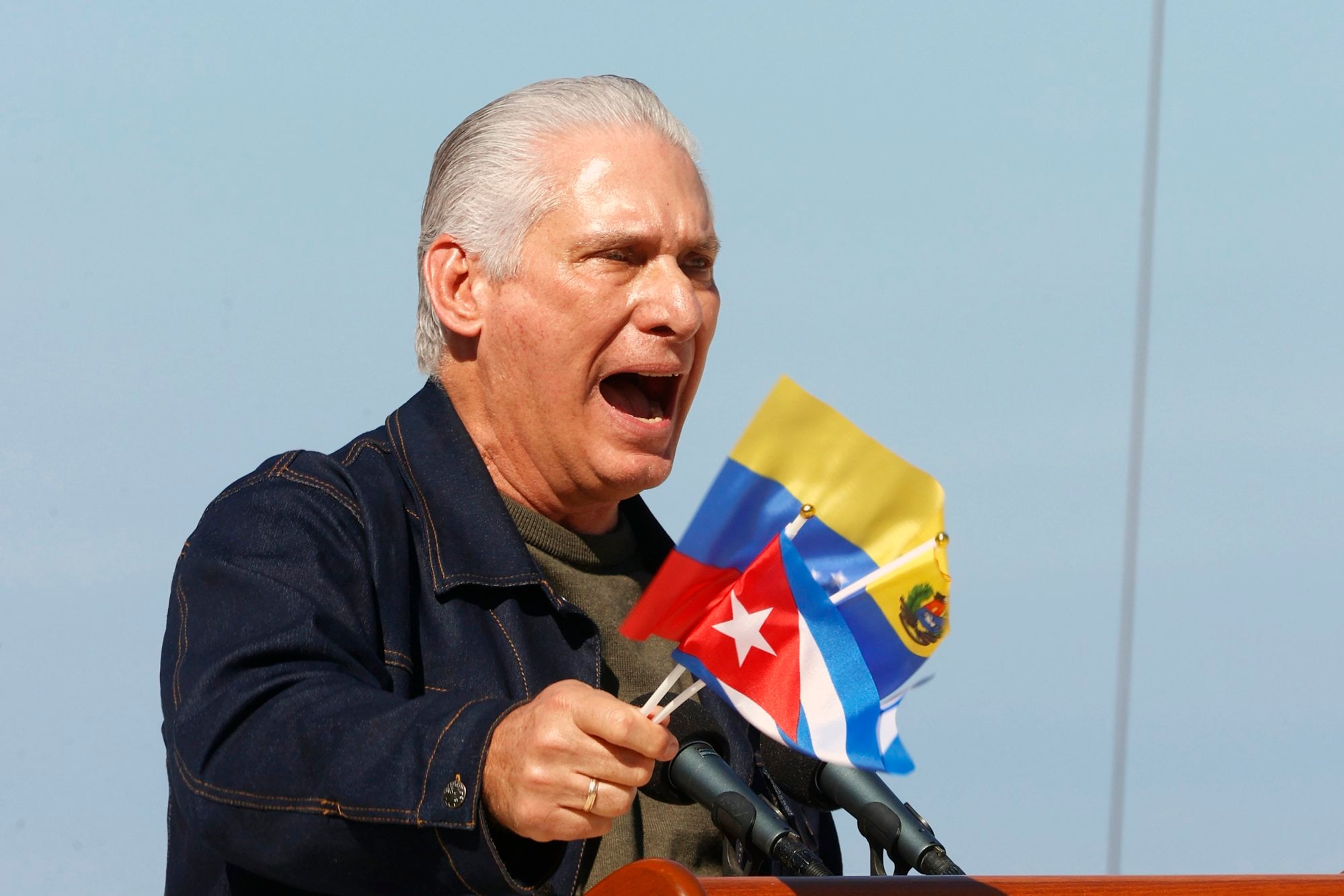
The Justice Department has not publicly confirmed the indictment, and a grand jury would still need to formally approve any charges.
Still, even the prospect of criminal proceedings against the 94-year-old revolutionary figure is likely to reverberate far beyond the courtroom.
Analysts say the move could effectively freeze the limited backchannel contacts that had reportedly continued between Washington and Havana despite worsening relations.
US and Cuban officials had quietly acknowledged recent discussions on migration, security cooperation, and humanitarian issues, including a rare May 14 meeting between CIA Director John Ratcliffe and senior Cuban officials.
An indictment could also inflame political tensions within Cuba at a moment of deep economic distress.
Cuba is grappling with a severe economic crisis marked by recurring blackouts, fuel shortages, inflation and a growing exodus of migrants. Havana has blamed US sanctions and restrictions on fuel shipments for worsening the crisis, while Washington argues the country’s economic collapse reflects decades of mismanagement.
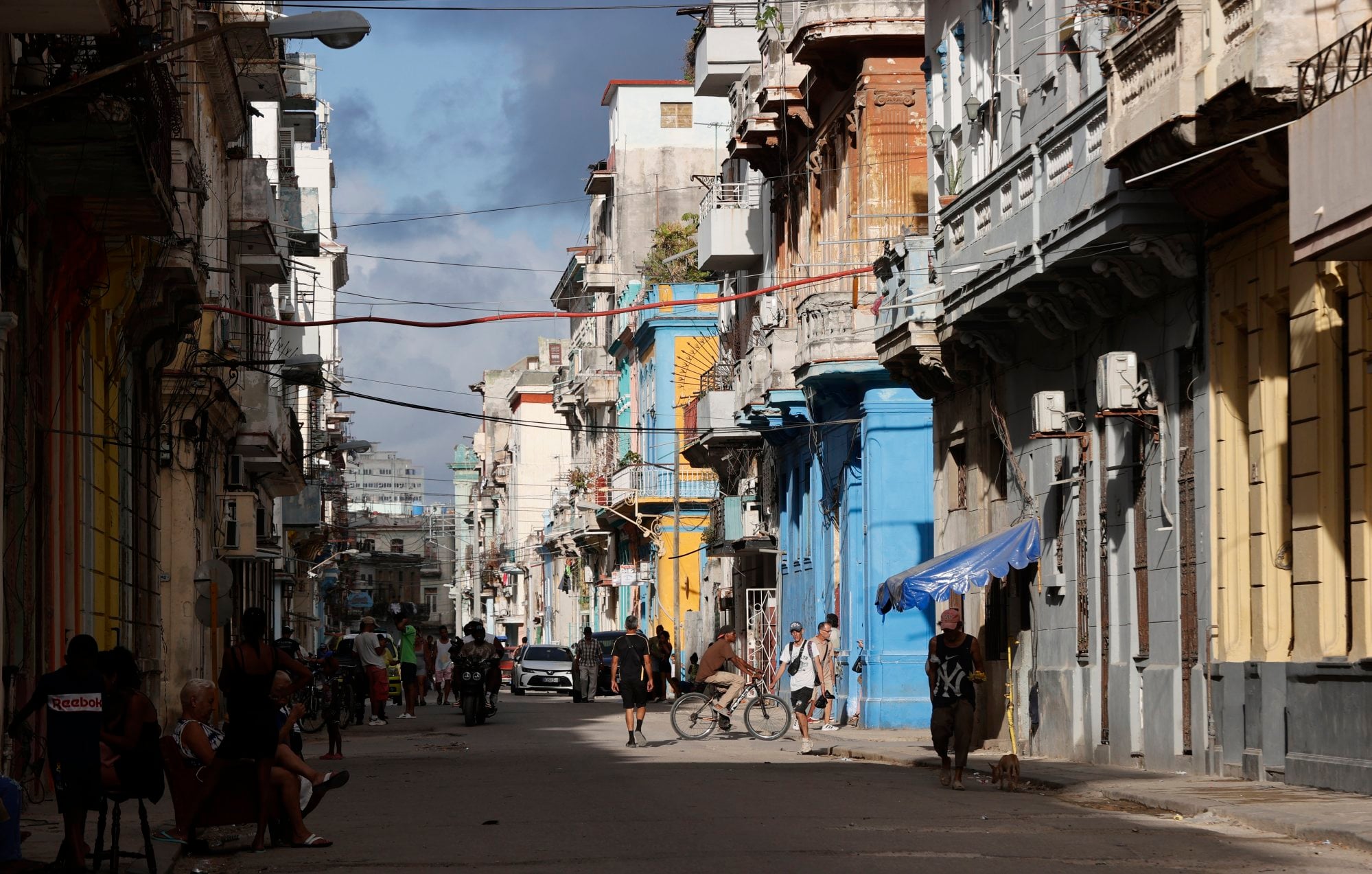
The expected charges stem from one of the most contentious episodes in US-Cuba relations after the Cold War.
On February 24, 1996, Cuban fighter jets shot down two small aircraft operated by Brothers to the Rescue, a Miami-based exile organisation that conducted flights near Cuba while assisting migrants at sea. Four people were killed.
Cuba maintained at the time that the planes had repeatedly violated its airspace and posed a security threat. An international investigation later concluded the aircraft were downed over international waters, intensifying condemnation from Washington and leading to the passage of the Helms-Burton Act, which significantly tightened the US embargo on Cuba.
The US previously charged several Cuban military officers connected to the operation, but they were never extradited.
The potential indictment of Raul Castro would carry limited practical legal consequences given that he remains in Cuba and is unlikely ever to appear before a US court. Politically, however, it would represent one of the most dramatic escalations in Washington’s confrontation with the Cuban government in decades.
‘Cuba is calling,’ Trump says
The move is also likely to deepen concerns in Havana and elsewhere in Latin America about Washington’s increasingly confrontational approach towards adversaries in the region.
The Trump administration previously brought narcoterrorism charges against Venezuelan leader Nicolas Maduro before US forces captured him earlier this year in an operation Washington described as a law-enforcement action.
Trump has repeatedly suggested that Cuba could face similar pressure, at one point warning publicly that “Cuba is next”.
Cuba’s government has not formally commented on the reported plans to indict, though Foreign Minister Bruno Rodriguez recently accused Washington of manufacturing pretexts for further sanctions and possible intervention.
Despite the mounting confrontation, Trump on Tuesday suggested he still believed a negotiated understanding with Havana remained possible.
“Cuba is calling us. They need help,” Trump told reporters at the White House. “We’ll do that.”
It remains unclear whether the expected indictment will end the limited diplomatic contacts that have continued quietly between the two sides. -- SOUTH CHINA MORNING POST


