
Ancient China’s legal system was never only about crime and punishment.
It was also a mechanism of imperial control, used to protect the throne, discipline officials and regulate social order.
Across millennia, it gave rise to sophisticated codes such as the Tang Code, as well as rules that now appear bizarre or even absurd.
Rules for public roads began to take shape more than 2,000 years ago.
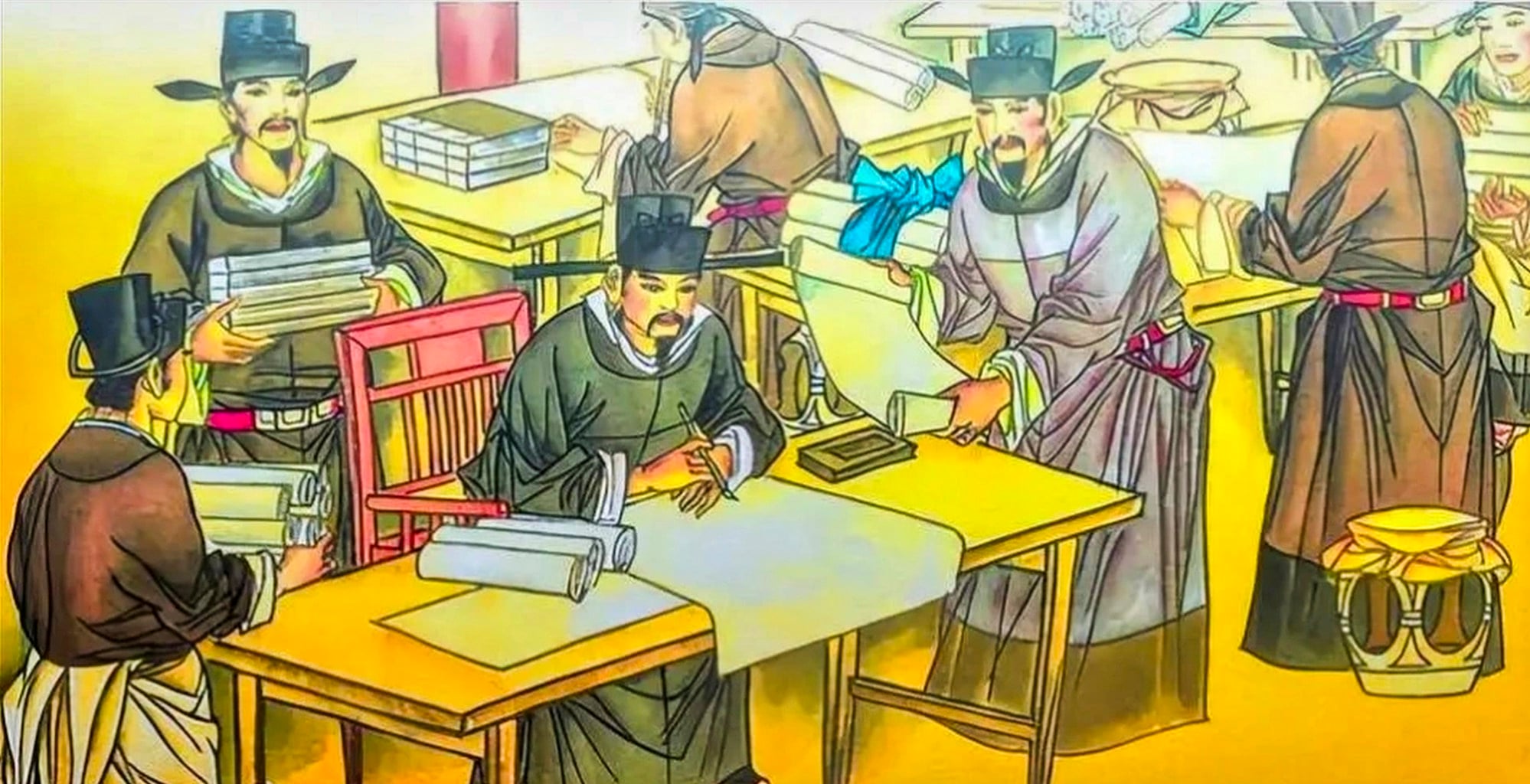
The Han Feizi records that people who threw ash onto the road could have both hands cut off. In later periods, a similar offence was punished by facial tattooing.
Early law also reached into family life.
The Discourses of the States said men and women with the same surname should not marry, because they were usually from the same clan.
Such unions were believed to cause deformities and infertility among their descendants.
Qin law, from 221 to 206 BC, became notorious for harsh penalties imposed on minor offences.
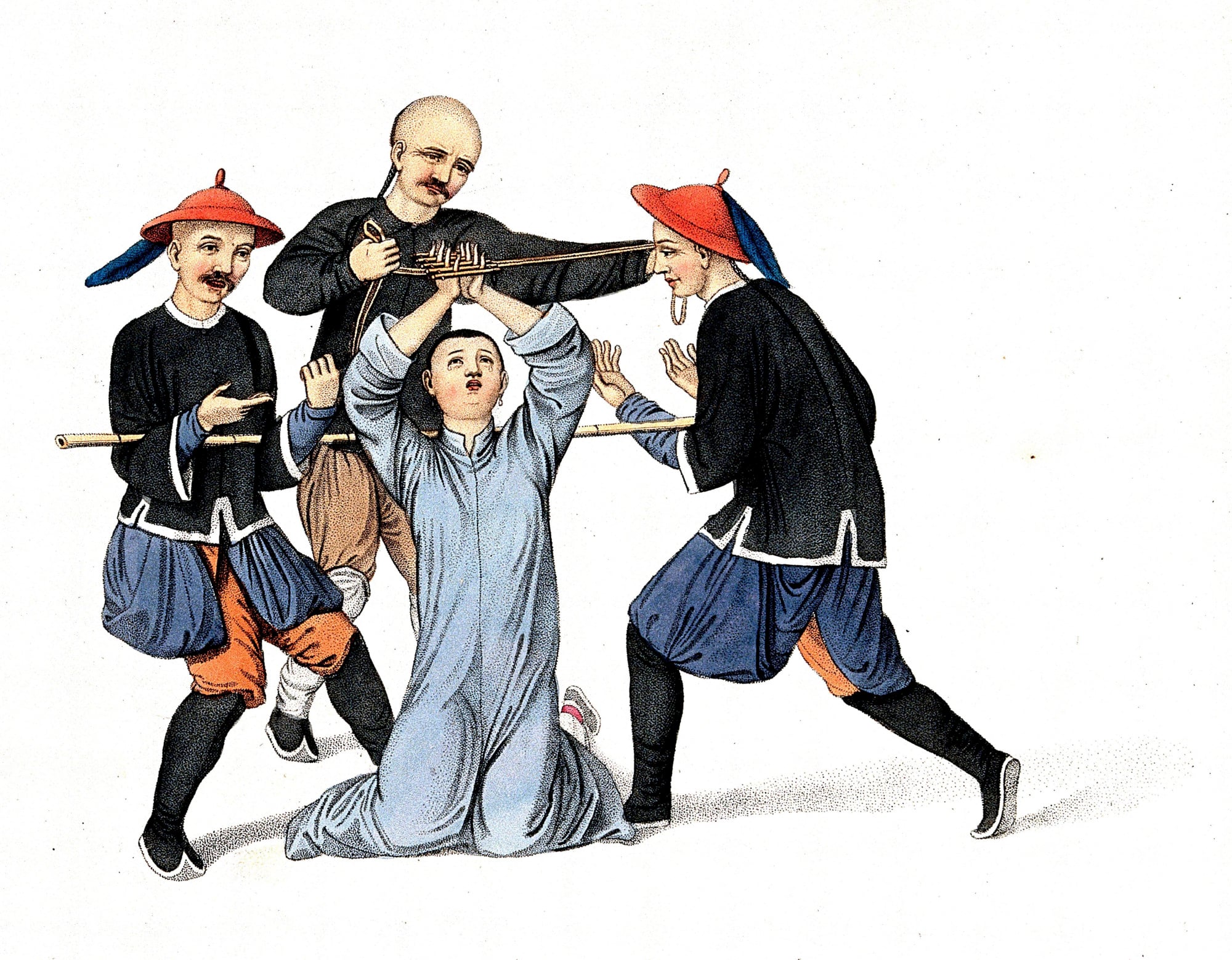
Commoners who slaughtered ploughing cattle could face death, because cattle were treated as vital state assets.
Under the Tianlü, or Statutes on Agriculture, officials responsible for cattle could also be punished if the animal became thin or injured.
The Shuihudi Qin bamboo texts suggest that people under 1.4 metres tall were not required to pay compensation for damage they caused, nor were they held criminally liable.
This was not necessarily mercy. In an era without reliable age records, height was used as a practical way to judge whether someone had reached adulthood.

The Shiji also states that a wife who caught her husband committing adultery could kill him without punishment.
The rule is often seen as part of Qin efforts to regulate public morals and preserve family order.
Some mainland reports claim adult men who cried in public could have their hair, eyebrows and beard shaved.
Although surviving Qin legal texts have not officially confirmed this, the anecdote reflects the dynasty’s reputation for deterrence and public humiliation.
Confucian norms similarly stressed emotional restraint, urging people to “weep and rejoice in measured ways”.
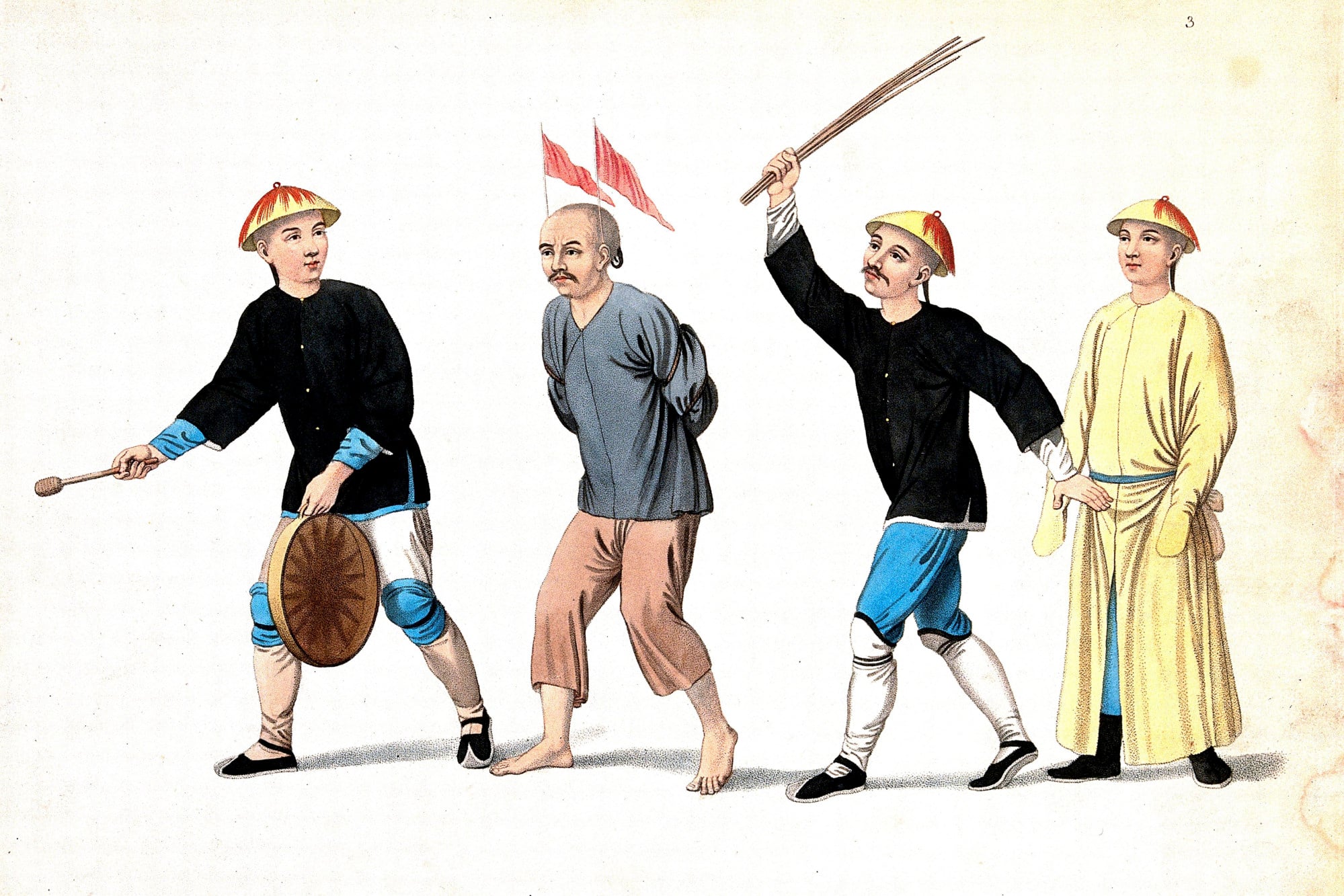
By the Han dynasty (206 BC – AD 220), the state was trying to rebuild a population depleted by war. One measure was a so-called “single women tax”.
According to the Book of Han, women aged 15 to 30 who remained unmarried had to pay five times the normal tax.
The Sui dynasty (581–618) later created the imperial examination system, opening a path into officialdom for men from modest backgrounds. But opportunity came with risk.
The Book of Sui records that candidates with messy handwriting or a frivolous attitude could be forced to drink ink.
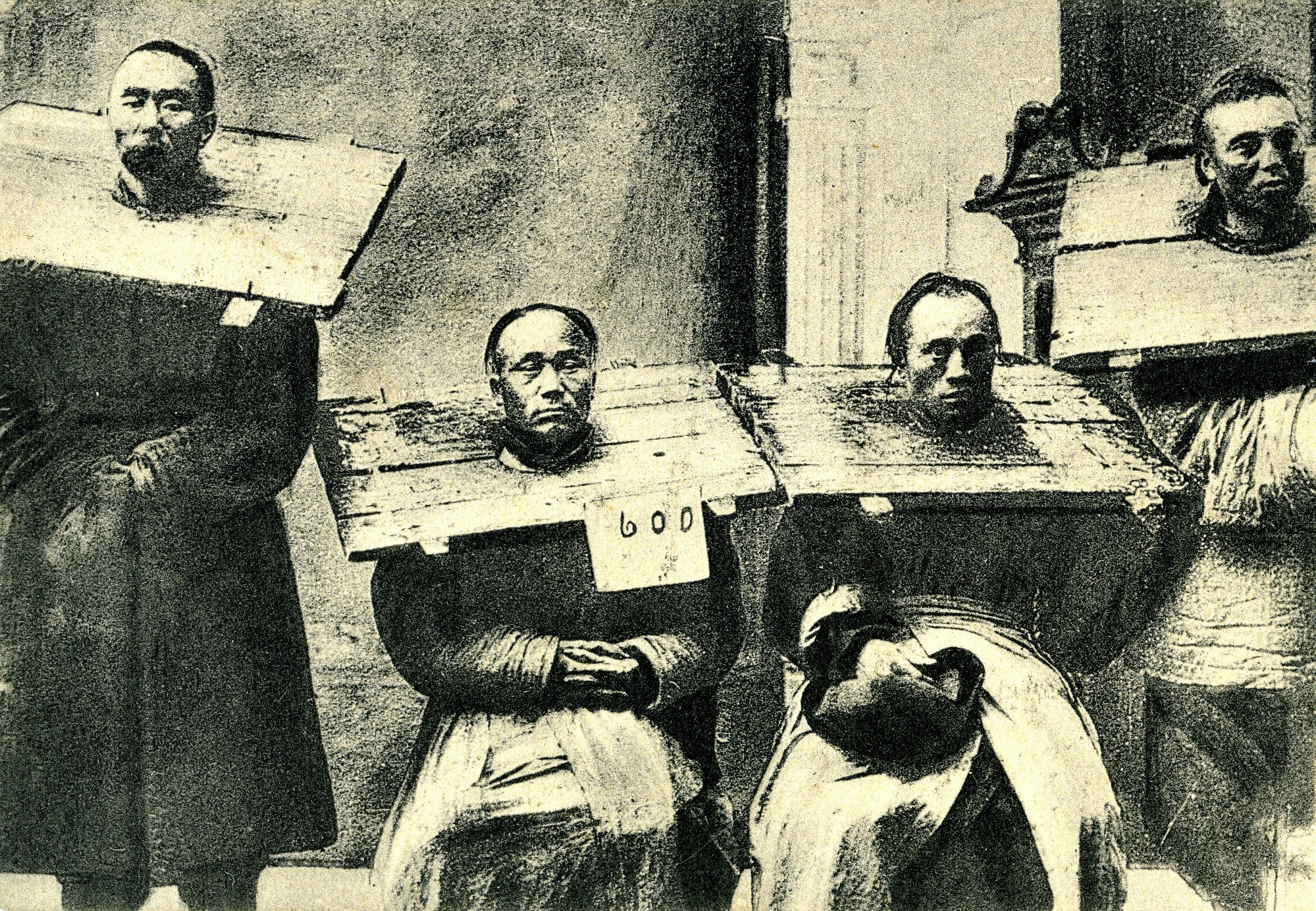
Unlike modern chemical ink, ancient Chinese ink was usually made from plant carbon or pine soot. It tasted bitter, but was generally not poisonous.
By the Tang dynasty (618–907), dogs were no longer kept only as guards. They had also become fashionable pets and markers of status.
Tang law even regulated their behaviour: if a dog bit someone without cause, its ears could be cut off, while the owner escaped punishment.
Imperial taboo shaped other rules.
Tang emperors bore the surname Li, which sounded like the word for carp, making the fish a symbol of imperial authority and good fortune.
According to Miscellaneous Morsels from Youyang, commoners were banned from catching or eating carp. Offenders could be beaten with a heavy stick.
Empress Wu Zetian, a devout Buddhist, went further, banning the slaughter of livestock and the catching of fish and shrimp. Violators could face death.
The ban proved disastrous during drought and famine, when many people reportedly starved.
In the year 700, minister Cui Rong warned Wu Zetian that banning meat would only encourage fraud and wrongdoing. The eight-year slaughter ban was later abolished.
Tang law was also severe within the family. Those who insulted their parents or grandparents could be sentenced to death by hanging.
In the Southern Han (917–971), Liu Chang, the last emperor, reportedly required men to be castrated before becoming officials, believing those without wives or children would be more loyal to the throne.
He was also said to have devised brutal punishments, including boiling, burning and throwing offenders into tiger enclosures.
In the Ming dynasty (1368–1644), imperial taboo reached the farmyard.
Because the royal surname Zhu sounded like the word for pig, ordinary people were banned from raising pigs. Offenders and their families could be exiled.
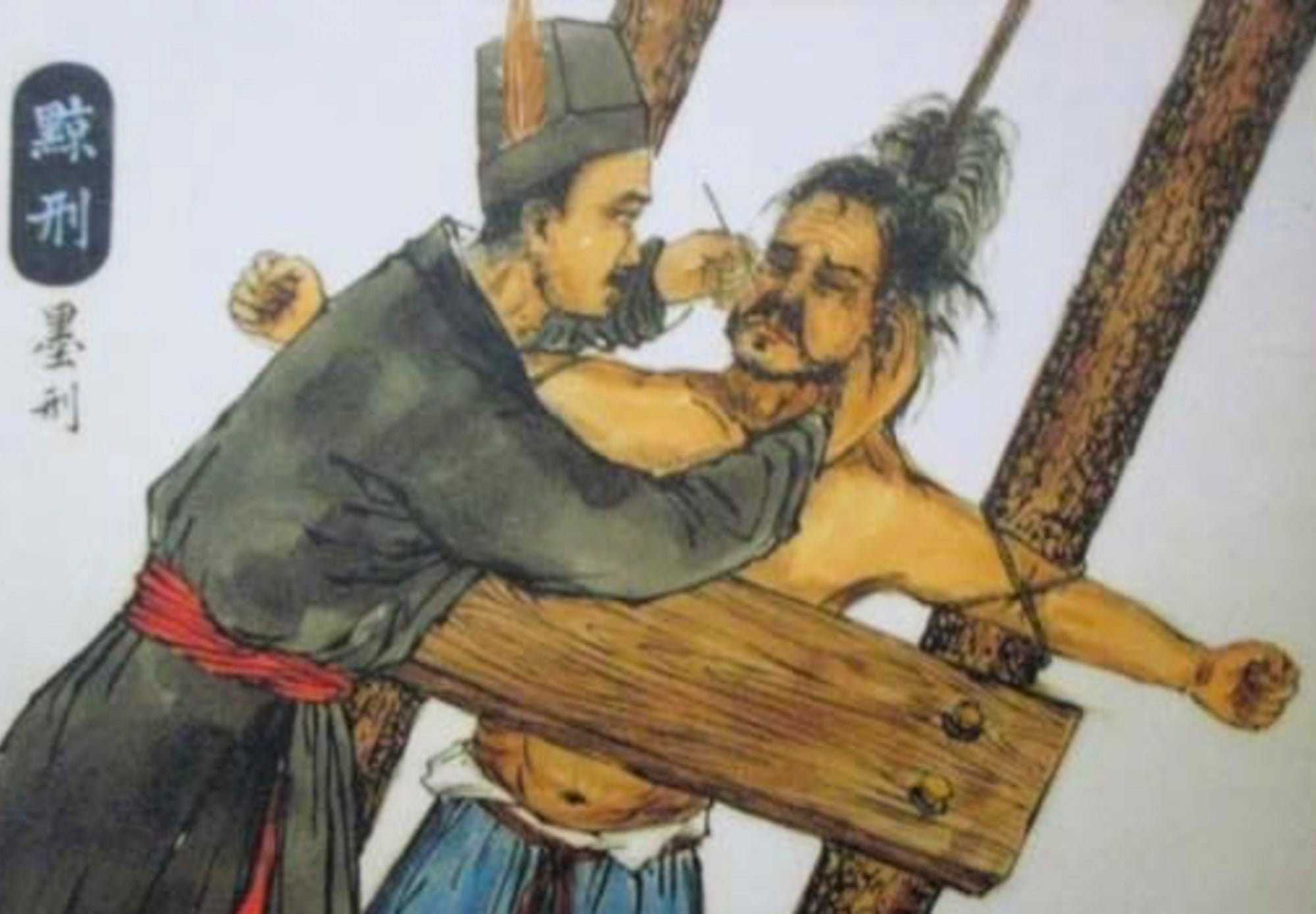
The ban later became impractical, as pork was needed for state rituals.
The Ming also restricted the private study of astronomy.
Since emperors styled themselves the “Son of Heaven”, celestial events were treated as divine warnings or signs of approval. Interpreting the sky had to remain in state hands.
By the Qing dynasty (1644–1912), China’s last imperial house, even written words could become dangerous.
The period was marked by literary inquisitions, in which careless wording or reversed word order could lead to exile or execution. -- SOUTH CHINA MORNING POST