




Chinese Vice-Premier He Lifeng will travel to South Korea this week for trade talks with US Treasury Secretary Scott Bessent, both sides confirmed on Sunday, in the final round of negotiations before a summit between President Xi Jinping and US President Donald Trump in Beijing.
The meeting is scheduled for May 12 and 13 in Seoul and comes days before Trump’s state visit to China on May 14 and 15.
China’s Ministry of Commerce said He would lead a delegation to hold economic and trade consultations with the US side. A White House spokeswoman said that Trump plans to host Xi for a reciprocal visit later in 2026.
The talks would be “guided by the important consensus” reached between the two heads of state at their meeting in Busan and in previous phone calls and would address “economic and trade issues of mutual concern”, a ministry spokesperson said in response to a reporter’s question.
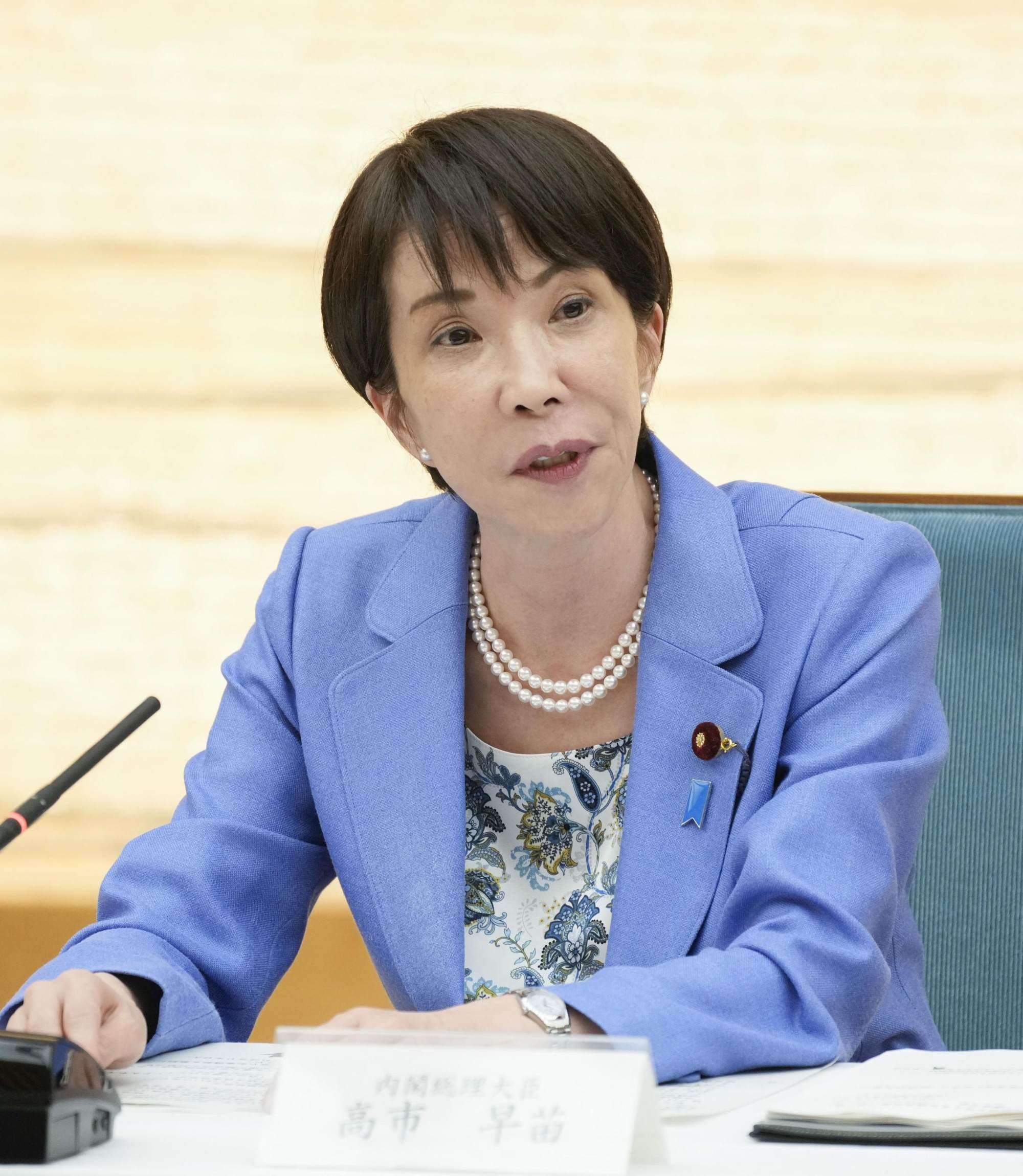
Bessent confirmed the meeting in a post on X, saying he would first meet Japanese Prime Minister Sanae Takaichi and Finance Minister Satsuki Katayama in Tokyo on Tuesday before heading to Seoul on Wednesday for a discussion with He Lifeng ahead of the summit.
A 70-year-old long-time confidant of Xi, He Lifeng has served as Beijing’s lead negotiator on economic and trade affairs with Washington since taking office as vice-premier in March 2023.
He has held more than 60 meetings with foreign officials and executives since taking office, according to a Reuters tally, and has gradually built a reputation among Western interlocutors as a capable negotiator despite limited international experience before the role.
The two officials last met in person in Paris on March 15 during the sixth round of trade talks, held at the headquarters of the Organisation for Economic Co-operation and Development.
He and Bessent took part in the first day of discussions but did not appear at the second day of talks, when smaller delegations led by vice commerce minister Li Chenggang and US Trade Representative Jamieson Greer continued the negotiations.
Li said at the time that both sides had agreed to “continue to maintain the stability of tariffs” and had discussed the possibility of establishing a mechanism for promoting bilateral investment.
China also expressed opposition to Section 301 investigations announced by the Office of the US Trade Representative. Bessent told CNBC the talks were “very good” and that the discussions had focused mainly on purchase commitments from China.
He and Bessent also held a video call on April 30 in which both sides had “candid, in-depth and constructive exchanges” on implementing the consensus reached between Xi and Trump, according to a Chinese government readout.
Bessent said after the call that he had raised concerns about Beijing’s “provocative extraterritorial regulations” and their “chilling effect on global supply chains”.
Trump is expected to arrive in Beijing late Wednesday for a two-day state visit.
The war that the US and Israel launched against Iran will be a major focus of their discussions, said a senior administration official Sunday, speaking on background, along with trade, tariffs and AI.
“I would expect the president to apply pressure” over Iran, the official told reporters on a call.
Sources have said also high on the agenda will be Chinese purchase commitments for agricultural products, energy and aeroplanes as well as discussions on reciprocal investment and Beijing’s supply of rare earths to the US, which urgently needs the critical materials for its weapon systems amid the protracted Middle East conflict.
Analysts said the He-Bessent sit down in advance of the summit fits a pattern seen in the runup to the meeting between Trump and Xi last October that were preceded by trade talks in Kuala Lumpur on Oct. 25-26.
“So the Korea talk could very much function similarly — less about resolving structural disputes and more about creating enough tangible economic outcomes to support a smoother summit atmosphere,” said Yilun Zhang, research associate with the Institute for China-America Studies.
Bessent’s trip also appears to have a significant hand-holding component. Japan and South Korea wanted a stopover by Trump as part of the trip, but this was unrealistic given that he had visited both nations in October and the scheduling on this trip is tight as Trump gears up for the US midterm elections.
“Tokyo in particular is anxious about what Trump and Xi might discuss amid the worst downturn in China-Japan relations in more than a decade,” said Jeremy Chan, senior analyst with the Eurasia Group. “Bessent’s visit to Japan will send a reassuring message that Washington is keeping Tokyo’s interests in mind.”
Chan said it is feasible that Washington will follow this up with another cabinet-level visit to the two US East Asian allies after Trump’s trip.
“The US can never provide enough assurances to Tokyo and Seoul, particularly amid growing doubts in both capitals about long term US commitments to their national security,” he added.
Also worth noting in the often nuanced world of summit protocol is that Beijing has not publicly confirmed Trump’s visit despite widespread expectations and White House announcements.
“That suggests the outcome of these Korea talks still matters politically and, from the Chinese perspective, may remain part of the final calculation surrounding the summit itself,” Zhang said.
White House deputy press secretary Anna Kelly said on Sunday that Trump will arrive in Beijing on Wednesday evening followed by a welcome ceremony and a bilateral meeting with Xi on Thursday morning. Trump will also visit the Temple of Heaven and attend a state banquet on Thursday.
Trump and Xi will have a bilateral tea and working lunch on Friday, Kelly said, before the US leader returns to Washington. -- SOUTH CHINA MORNING POST


