




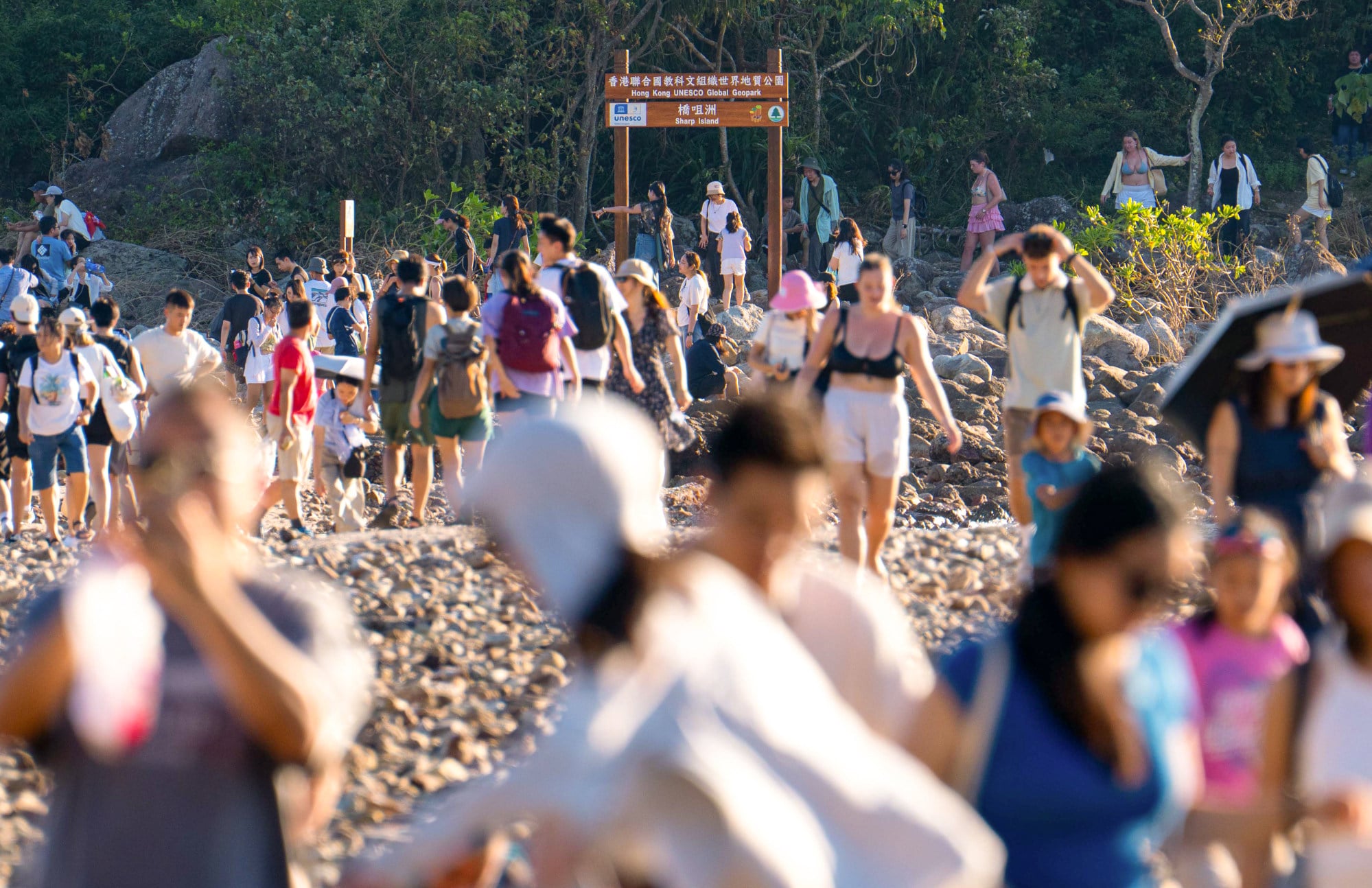
Hong Kong authorities will cordon off parts of the shoreline of Sharp Island in Sai Kung to protect corals, with 1,000 visitors expected in the area each day during the coming Labour Day “golden week” holiday.
The Agriculture, Fisheries and Conservation Department also said on Monday that 11 officers would patrol the island daily during the holiday, while five marine staff – two snorkellers and three kayakers – would monitor the sea for any disruptive visitor behaviour.
The department said it would step up education on protecting marine life and was seeking to turn the bio-sensitive area that was popular among tourists into a marine protected region so conservation laws could be enforced.
Labour Day, May 1, is a statutory public holiday in Hong Kong and also marks the start of the mainland’s five-day golden week break.
The Immigration Department estimates that Hong Kong residents and visitors will make 6 million passenger trips – inbound and outbound – by air, land and sea from May 1 to 5, an increase of about 7 per cent over the same period last year. About 84 per cent of the trips are expected to be made through land checkpoints.
Jim Chu Chun-wa, assistant director for fisheries and marine conservation, said the department estimated a daily peak of 1,000 visitors on the island during the golden week holiday.
“In the past, many visitors might not have had marine-friendly etiquette when interacting with marine life,” he said.
“But they are cooperative when we remind them of the right behaviour.”
Concerns about overtourism on the island, also known as Kiu Tsui Chau, first surfaced during last year’s National Day golden week holiday in October after environmental group Greenpeace claimed that more than 4,000 tourists visited on a single day.
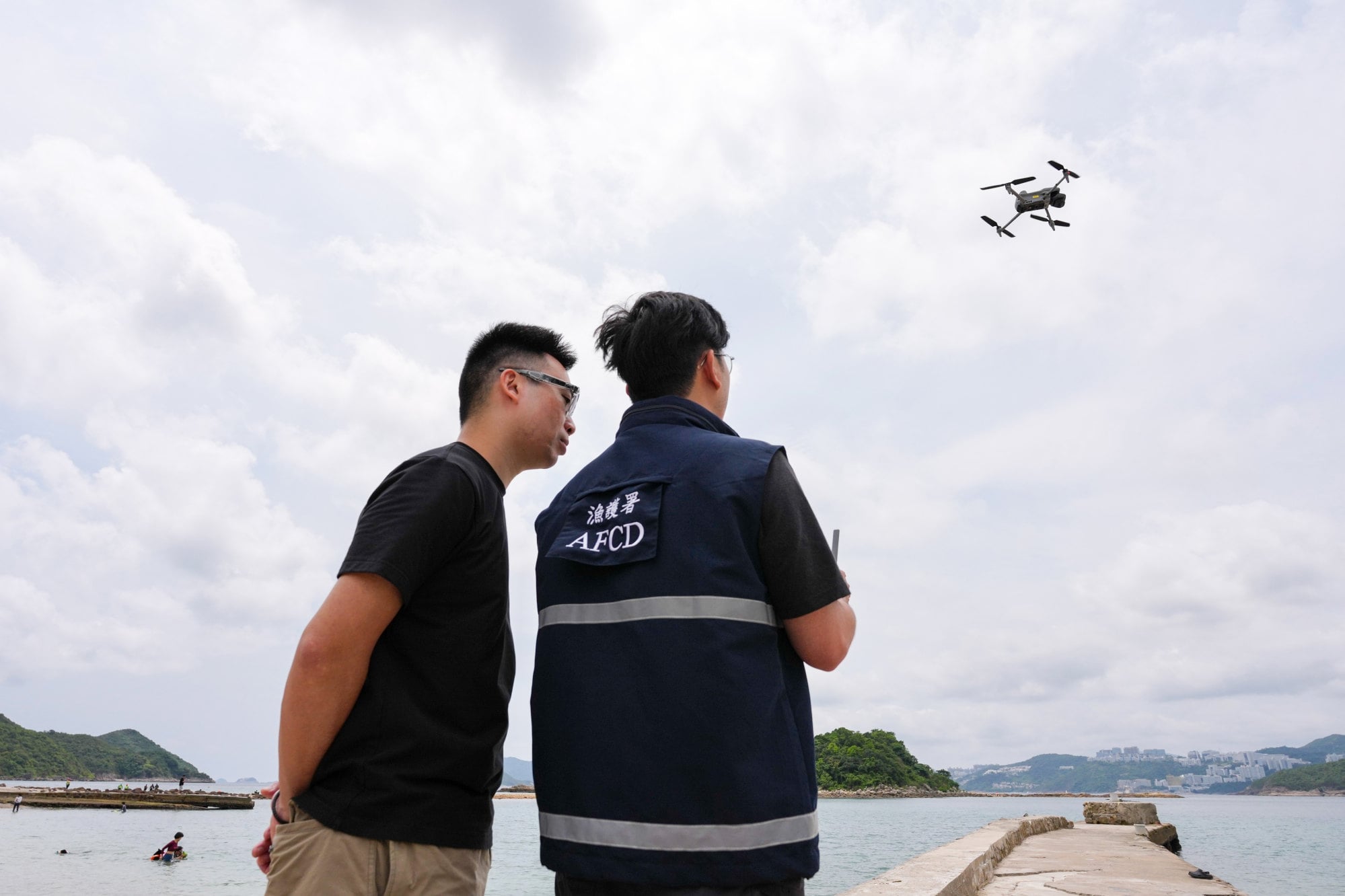
To monitor the shoreline and hard-to-reach areas around the island, Chu said drones would also be deployed every hour.
He said officers would be on standby during the holiday to cope with the influx of tourists.
“Patrolling by frontline staff, education and verbal reminders on the spot are sufficient to manage the situation on Sharp Island,” he said.
Since the island, a snorkelling hotspot, is located outside the city’s marine parks, the coral there is not protected by law.
The site is part of the Hong Kong Unesco Global Geopark and features a rich variety of volcanic and sedimentary rock formations.
Chu said authorities were working to turn the island into a marine protected area “as soon as possible”, so conservation laws could be enforced.
Senior marine conservation officer Dr Janet Lee Ka-wai said the department had worked with environmental group WWF-Hong Kong to demarcate parts of the shoreline with buoys to protect a shallow coastal zone near the beach rich with corals.
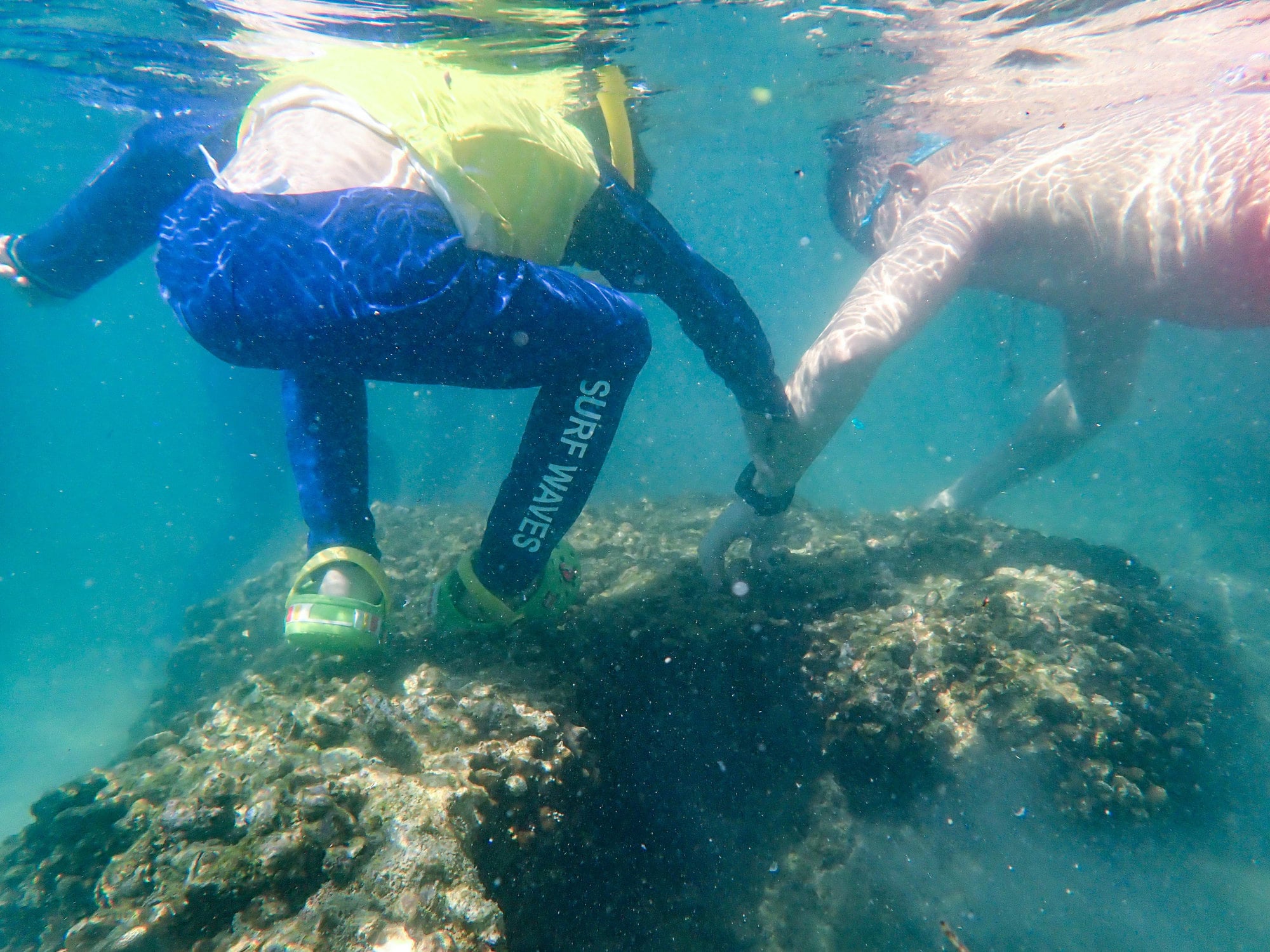
Lee said the cordoned-off area was previously a popular access point for snorkellers and kayakers, who accidentally damaged corals in shallow waters as a result.
“We have recommended some access points for snorkellers on parts of the beach away from corals,” she said.
The department has put up banners reminding visitors to respect nature and will broadcast reminders in English, Cantonese and Mandarin at the Sharp Island pier.
Officers and WWF ambassadors will also hand out brochures and engage visitors in educational activities at a booth set up near the beach.
Tourist Zheng Man from the mainland’s Anhui province said many people from inland areas of the country lacked access to the sea and did not have adequate knowledge of marine protection.
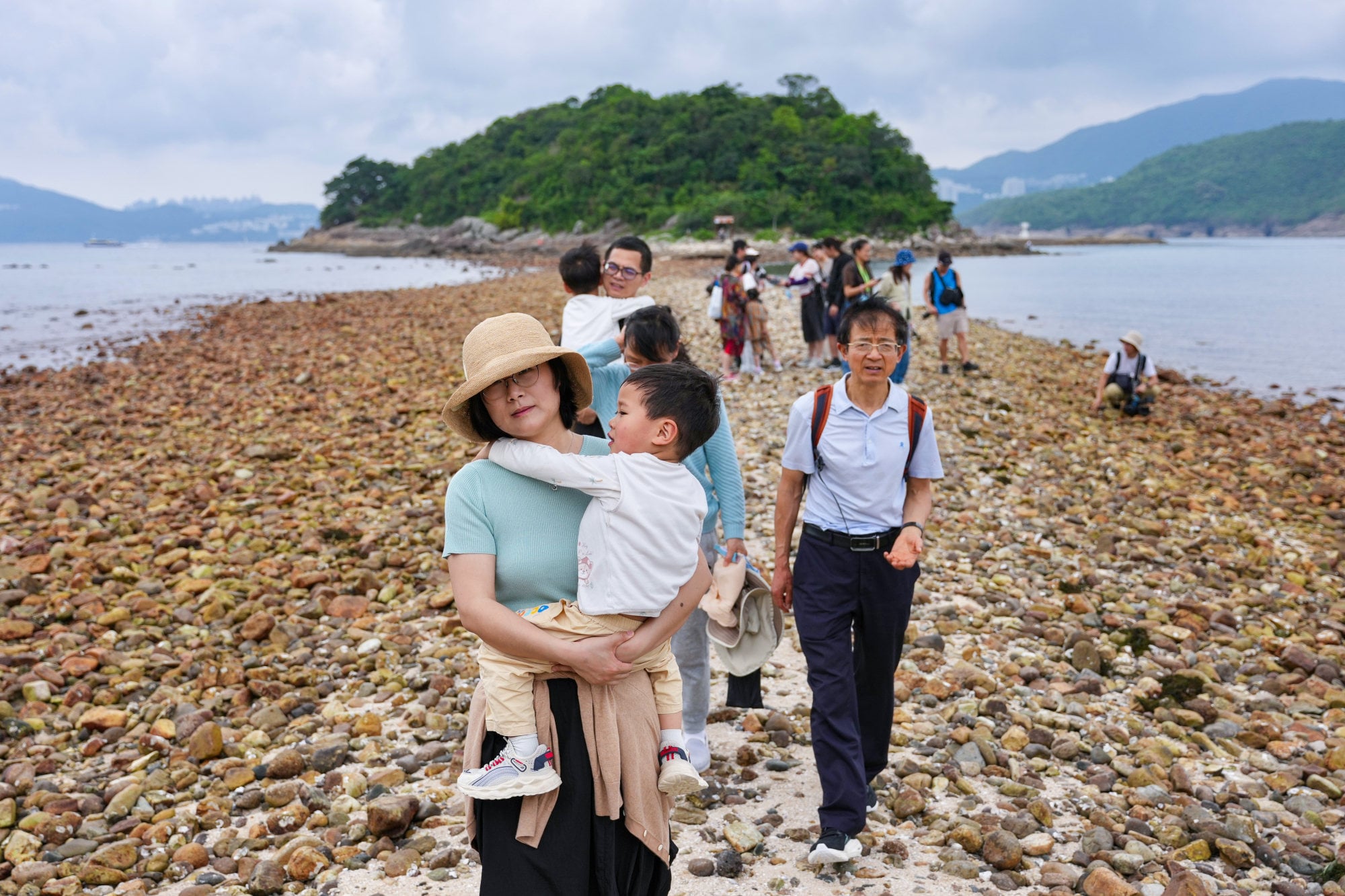
Zheng, who was visiting Sharp Island with her children, was staying in Hong Kong for a few days before heading to Europe to enjoy the rest of their Labour Day break.
She marvelled at the pristine waters and quaint island atmosphere, and said more education on environmental consciousness was needed, especially with large numbers of tourists.
“The brochures, banners and broadcasts at the pier will help provide tourists with information on how to behave around marine life, while verbal reminders are also important,” she said.
Following last year’s National Day golden week break, Greenpeace published a report stating it had observed large amounts of rubbish on the beach and had seen some tourists trampling corals while snorkelling and digging up marine organisms. -- SOUTH CHINA MORNING POST


