




Twenty-two-year-old Hongkonger Elio* started smoking at the age of 16, when he was studying abroad in New Zealand.
But what began as a pastime soon evolved into a daily habit to manage the stress of an uncertain future.
Despite suffering from a collapsed lung in 2020, he resumed smoking and drinking a few months after recovery, later switching to e-cigarettes amid rising tobacco taxes.
After the 2022 ban on the sale of vapes, he restricted his habit to one capsule every three days – equivalent to 20 cigarettes in terms of nicotine content – but continued to purchase pods online to sustain his supply.
He vapes only in private to avoid enforcement officers.
“If I haven’t vaped in a while, I feel really down and lethargic,” he said.
With Hong Kong set to ban the possession of alternative tobacco products in public places from Thursday, Elio remains undeterred and plans to continue vaping in private.
“I have no plans to quit cigarettes at all. I’m not hurting anyone, so why is vaping treated like doing drugs?” he asked.
From April 30, anyone found to be carrying more than five vape pods or 100 heat sticks in public will face a maximum fine of HK$50,000 (US$6,400) and up to six months in jail, while those with smaller quantities will receive a fixed penalty of HK$3,000.
Some users of alternative tobacco products told the South China Morning Post that they would continue sourcing supplies through illicit channels and vape behind closed doors, with no intention of quitting.
Hong Kong’s overall smoking rate for those aged 15 and above was 8.5 per cent in 2025, while daily vape use stood below 1 per cent in 2023.
In the 2022-23 academic year, 1.1 per cent of secondary students and 0.5 per cent of Primary Four to Six pupils used e-cigarettes.
The new rules follow a 2022 citywide ban on the import, manufacture, sale, distribution and promotion of alternative tobacco products.
The amended law also provides for a future citywide ban – including private places – on these products, though no timetable has been set.
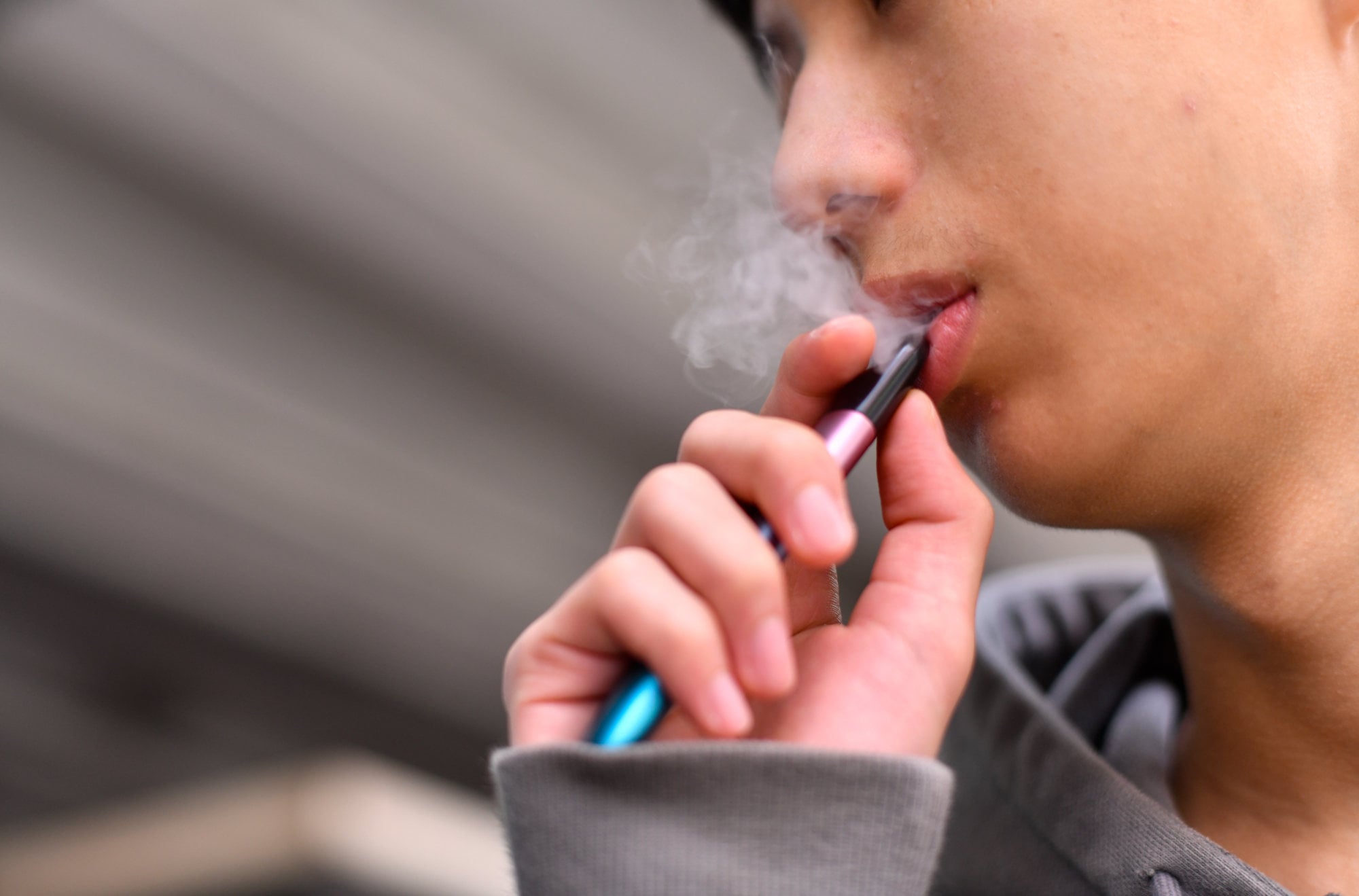
A Smoker’s Insight survey in April found that among 301 alternative tobacco users, 55 per cent intend to continue vaping discreetly, while 35 per cent plan to switch back to traditional cigarettes.
Only 10 per cent said they would – or would at least consider – kicking the habit.
“Users of alternative tobacco products will simply find other ways to get their supplies, pushing consumption underground. They’ll use them at home or in private spaces rather than on the street,” said Yeung Ho-chuen, a spokesman for the concern group.
“It is unfair to blame them for corrupting the minors or leading them to use those products, given that only 1 per cent were smoking them.”
To truly encourage quitting tobacco products, authorities need to stop treating them like “villains” and rethink their approach to smoking cessation services, Yeung said.
“Quitting tobacco is just a change of lifestyle. It should not be framed as a huge, painful challenge ... if you take a single puff when you are trying to quit, you should not be treated as a failure,” he said.
“Demonising smokers only makes them feel alienated, leading them to believe that they are incapable of quitting – these psychological barriers stem from the lack of empathy and respect towards them.”
He noted that the United Kingdom and New Zealand had integrated vaping into their public health strategies as a less harmful alternative, as it allows smokers to take just a single puff when a craving hits, rather than feeling forced to finish an entire cigarette.
But Henry Tong Sau-chai, chairman of the Hong Kong Council on Smoking and Health, said the new rules sent a “clear signal” about the dangers of alternative tobacco products.
“Some still regard e-cigarettes as a less harmful alternative to traditional cigarettes, which is a misconception, or a misleading claim. The new law is another chance to educate the public about this and encourage quitting,” he said.
With the import ban in place for four years, any legal personal supplies should be exhausted or expired by now, Tong added.
“We hope the government will soon implement the second stage of the possession ban, which covers both public and private areas, especially as vape devices have been used for illegal drugs in recent years,” he said.
Tong was also confident that the ban would not push smokers back to traditional cigarettes.
“The incentive for those smokers to switch back to traditional cigarettes would be limited with the multipronged approach of the tobacco control strategy, such as banning flavoured tobacco to reduce its appeal as well as the standardised packaging and duty stamp law, which should be passed at the Legislative Council soon.”
He also urged the authorities to step up campaigns to ensure that people were aware that purchasing these products online was also an offence.
-- SOUTH CHINA MORNING POST



