PHNOM PENH (Phnom Penh Post/ANN): Humanitarian and development programmes reached 5.4 million people across Cambodia in 2025, as aid agencies scaled up emergency operations in response to border-related displacement while continuing long-term support in education, health, water and livelihoods.
The figures, released by World Vision International in Cambodia on April 20, highlight the growing pressure on humanitarian actors as conflict-related displacement intersects with existing vulnerabilities in rural and border provinces.
The organisation said it reached 3.1 million children among the total population assisted, in what it described as one of the most challenging operating environments in recent years.
“Despite these challenges, World Vision expanded its reach to 84 per cent of provinces, supporting children and families through integrated programmes in humanitarian response, inclusive education, health and nutrition, water and sanitation, child protection, climate change and livelihoods, and social accountability,” said World Vision.
Speaking at a school inauguration in Preah Vihear, Minister of Education, Youth and Sport Hang Choun Naron congratulated World Vision on its 56 years of service in Cambodia, highlighting its long‑standing role in supporting communities affected by war and displacement since the 1970s.
Displacement drives emergency response
A major driver of humanitarian need in 2025 was displacement linked to conflict along the Cambodia–Thailand border, which affected communities across at least five provinces including Siem Reap, Banteay Meanchey, Battambang, Oddar Meanchey and Preah Vihear.
World Vision reported reaching more than 140,000 internally displaced people, including over 43,000 children and 1,100 people with disabilities.
Assistance included food support, clean water, sanitation facilities, temporary shelters, cash assistance, and nutrition services for pregnant and breastfeeding women. Child-focused interventions also featured prominently, particularly in areas where families were forced to relocate.
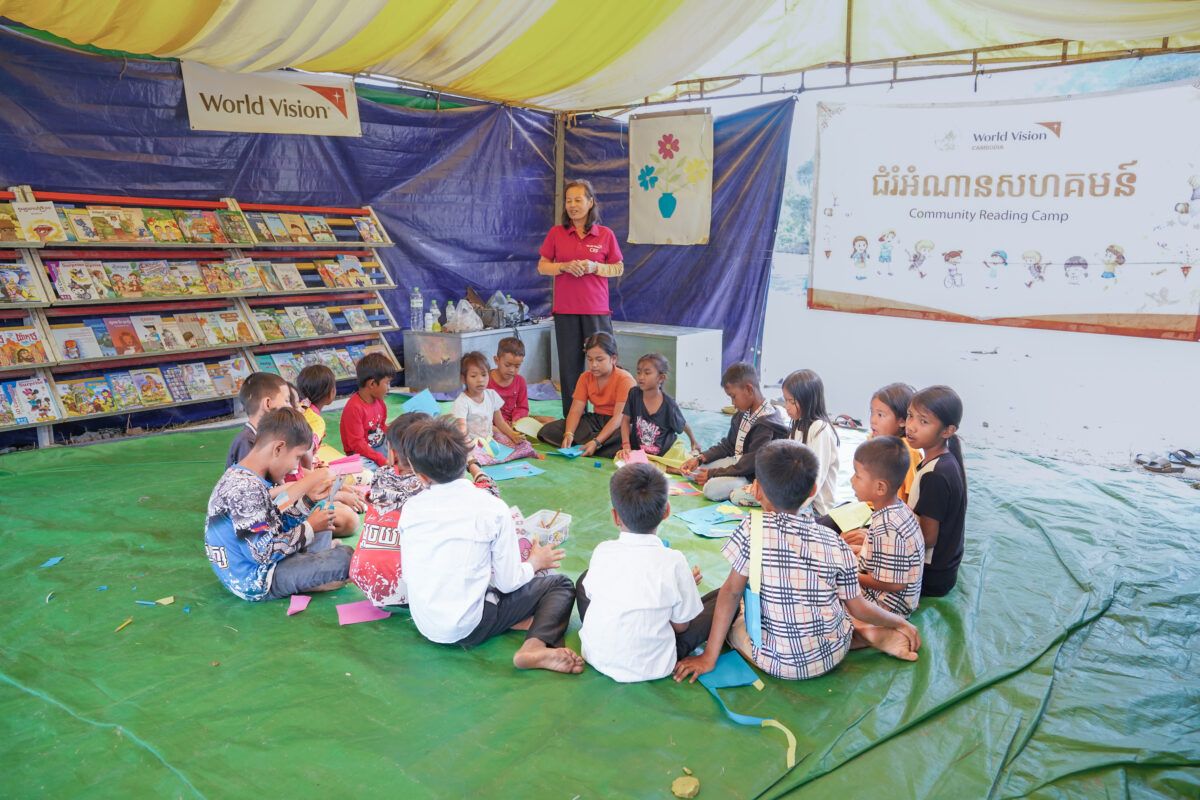
To maintain education and psychosocial support for displaced children, the organisation established more than 45 child-friendly spaces and 54 temporary learning spaces in affected provinces.
“These efforts helped children regain a sense of stability, safety and hope — critical steps toward recovery after displacement,” the organisation said in its statement.
One psychosocial support volunteer, Kanha, described the impact of displacement on children as severe but noted that targeted interventions had helped restore a degree of normalcy.
“During displacement, our children were afraid and frustrated. The temporary classrooms and child-friendly spaces helped them feel safe again,” she said. “We knew our children were not forgotten.”
Education and health services are maintained
Despite emergency demands, World Vision said it continued to invest heavily in long-term development programmes across Cambodia.
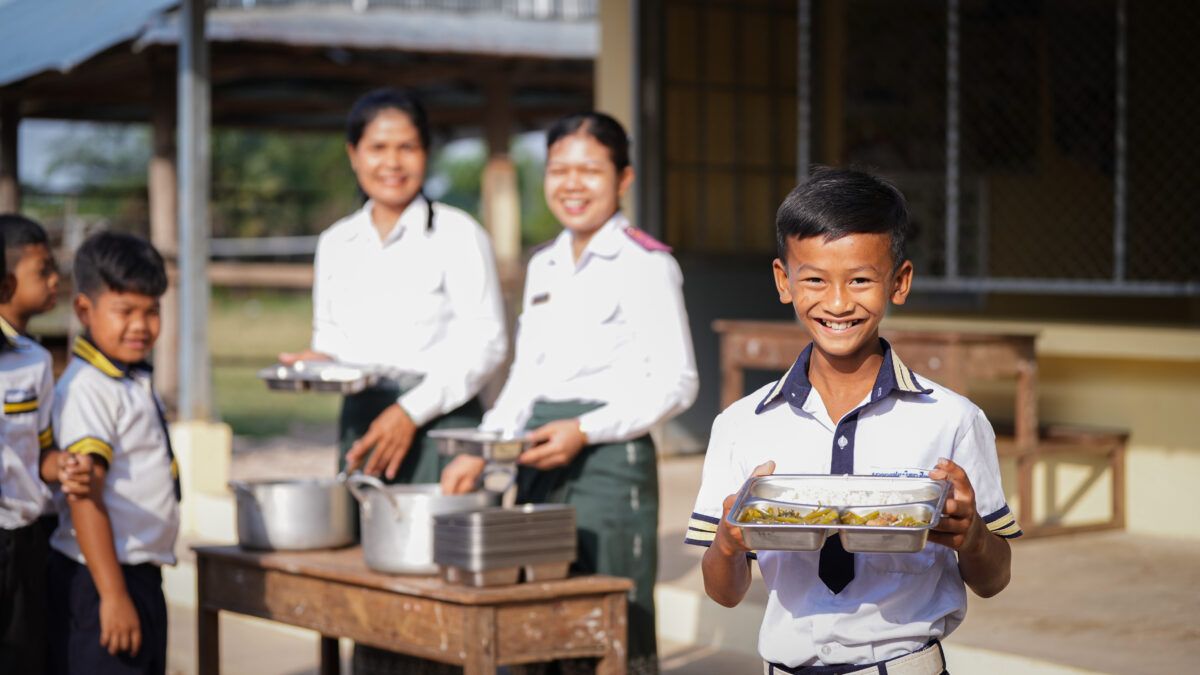
In 2025, more than 164,900 children accessed inclusive education programmes, including 19,400 who had previously been out of school and returned to learning.
Health and nutrition services reached more than 41,800 children under five, while 28,100 children were screened for malnutrition as part of early detection and treatment efforts.
Child protection programmes also expanded significantly, reaching more than 184,200 vulnerable children through community-based protection systems and participation initiatives.
The organisation said these interventions were designed not only to respond to immediate needs but also to strengthen long-term resilience in communities facing recurring shocks.
Progress was also reported in water, sanitation and hygiene (WASH) programmes, with 451 communities certified as Open Defecation Free in 2025.
Officials said the achievement reflects broader improvements in public health and rural dignity, particularly in underserved areas where access to sanitation remains uneven.
Minister of Rural Development Chhay Rithisen previously described collaboration with World Vision as an important contribution to Cambodia’s national sanitation goals, calling partnerships essential to achieving universal coverage under the national action plan.
Livelihoods and local governance strengthened
Beyond humanitarian relief, the organisation supported more than 2,400 households to improve financial literacy and assisted 2,300 women in generating income through small-scale economic activities.
At the governance level, 976 communes and districts allocated a combined $808,645 from local budgets to strengthen social accountability and improve access to public services.
Health officials in one district reported improvements in maternal care and clinic capacity linked to these collaborative programmes.
“All pregnant women now access healthcare from trained professionals, and our health centres have strengthened both staff capacity and facilities,” said Tam Rany, chief of a local health centre.
Children’s voices and long-term recovery
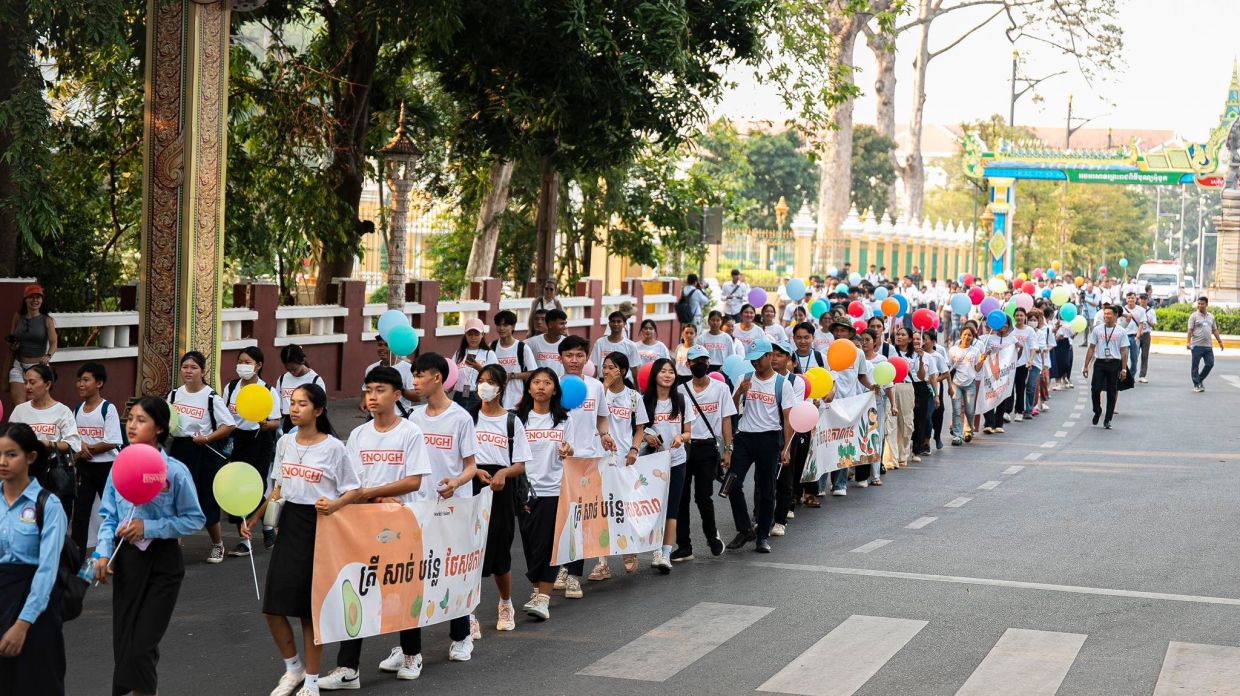
World Vision also highlighted efforts to strengthen child participation in community decision-making.
Mach, a youth leader and community reading facilitator, said children were increasingly being heard in local governance processes.
“I realised that I have the ability to represent voices that are usually unheard, and that our voices can truly influence decisions,” he said.
Sector under pressure but still expanding reach
World Vision Cambodia national director Janes Imanual Ginting said the year reflected both the scale of need and the resilience of communities.
“In 2025, Cambodia faced profound challenges that also revealed extraordinary resilience,” he said.
“Working alongside government partners, donors, the private sector and communities, we reached 5.4 million people with life-saving support that addresses urgent needs while building a safer future for children,” he added.
He noted that the organisation’s response demonstrates the importance of adapting programmes to ensure assistance reaches the most vulnerable, particularly children affected by displacement and crisis.
The organisation marked 56 years of operations in Cambodia in 2025, underscoring its long-term presence from post-conflict recovery to present-day humanitarian challenges.
As displacement pressures persist in border areas, aid groups are increasingly being tested on their ability to respond to immediate crises while sustaining development gains — an increasingly difficult balance in a country where vulnerability remains deeply tied to geography, poverty and recurring shocks.
Health and nutrition services reached more than 41,800 children under five, while 28,100 children were screened for malnutrition as part of early detection and treatment efforts. -- Phnom Penh Post/Asia News Network