




Hong Kong is gearing up for a Legislative Council election on December 7, as 161 candidates are confirmed to be joining the race after nominations closed last week.
With 5 per cent more hopefuls than the previous poll in 2021, this year’s election leaves no seats uncontested.
There will also be fiercer competition in the geographical constituencies, as major political parties have fielded more candidates to run for the 20 seats directly elected by residents.
Functional constituencies, comprising 30 seats, and the Election Committee constituency, which has 40 of the 90 seats in the legislature, are looking at a decline in the number of candidates. Both the functional and Election Committee constituencies have voters from their respective sectors, rather than general residents.
From the entry of an Olympic gold medallist to the departure of long-term lawmakers, the Post dives into six key highlights in the run-up to the election.
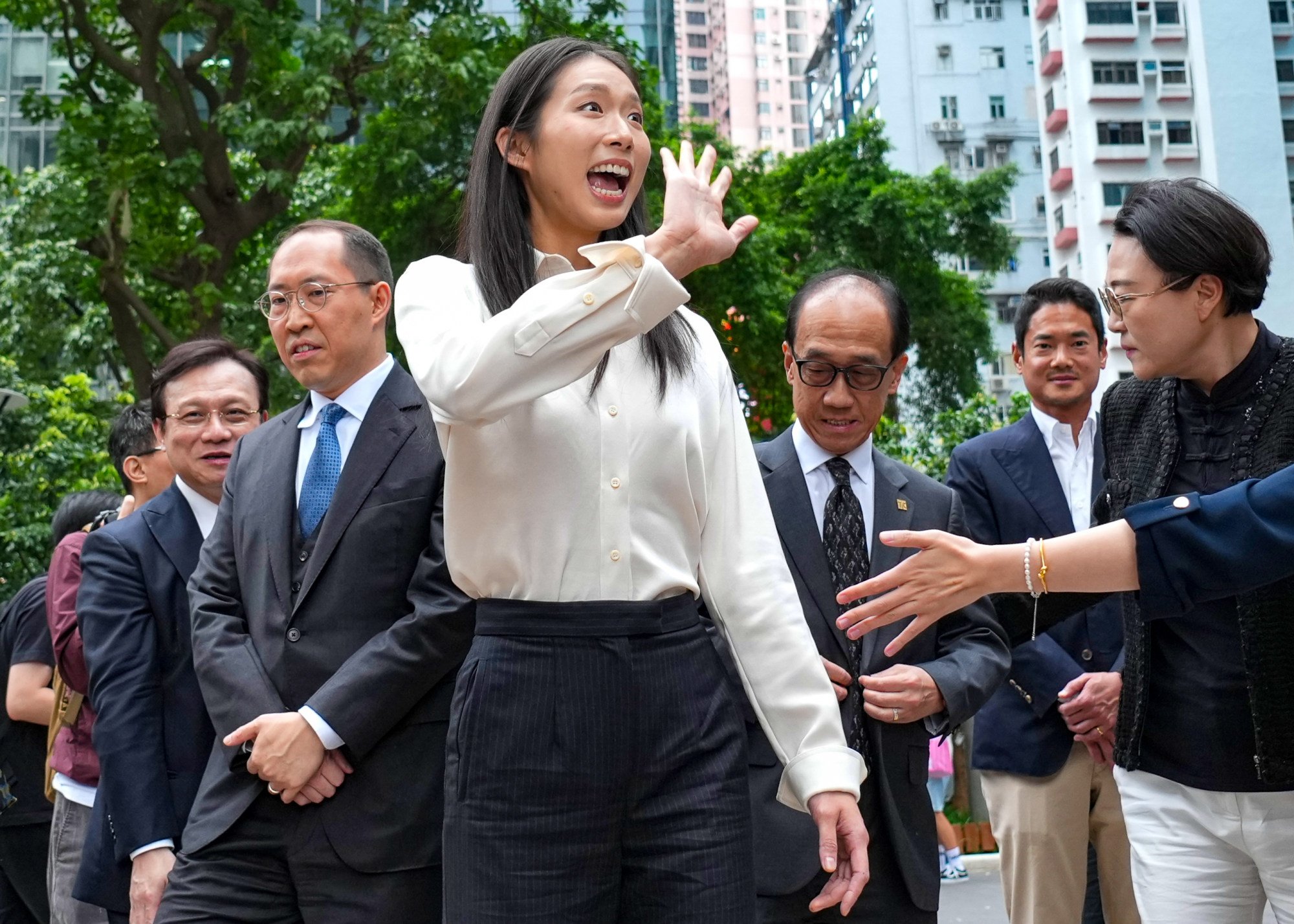
1. Election forums part of drive to boost turnout
The government will organise 39 election forums – one each for the 10 geographical, 28 functional and one Election Committee constituencies – in the run-up to the election.
This is the first time the government is taking charge of such forums when in the past they were organised mainly by broadcasters.
The forums are part of the government’s ongoing efforts to drum up interest in the election and boost voter participation.
The turnout for the first poll after the electoral revamp in 2021 was 30.2 per cent, the lowest since 1991, when the figure was 39.1 per cent.
The government, public agencies and businesses have already made calls and introduced measures to encourage residents to vote. Government departments are launching various get-out-the-vote drives.
Chief Executive John Lee Ka-chiu earlier wrote to the city’s more than 170,000 civil servants to encourage them to vote, while a special task force has been established by the Civil Service Bureau to promote the election among government workers.
Some businesses and public organisations have also announced flexible work arrangements to help employees vote on December 7, with some even offering half a day’s paid leave to staff members for this purpose.
2. Vivian Kong’s Legco lunge
Retired fencer Vivian Kong Man-wai, who brought home a gold medal from the 2024 Paris Olympic Games, is running for a legislative seat.
She has signed up for the tourism functional constituency, which allows permanent residents with a foreign passport to run. Kong earlier said she had applied to give up her Canadian passport after announcing her candidacy.
Kong, a relatively new face in the industry, has defended her eligibility for candidacy in the sector with her role in promoting “racing tourism” during her tenure as an assistant manager in external affairs at the Hong Kong Jockey Club.
While Kong has received support from major sector figures, such as Tourism Industry Council chairman Tommy Tam Kwong-shun, a source previously said that industry members only learned of her intention to run a week before her announcement, disrupting the sector’s original plan and prompting incumbent lawmaker Perry Yiu Pak-leung to withdraw from the race to make way for her.
Yiu is now running in the Election Committee constituency, while Kong will go against district councillor Ma Yat-chiu.
3. Old guard opt out
Thirty-five of the city’s 89 incumbent lawmakers have decided not to run for re-election, marking the highest proportion of legislators retiring since Hong Kong returned to Chinese sovereignty in 1997.
All 12 incumbent lawmakers aged 70 and above, including two-term Legco president Andrew Leung Kwan-yuen and 17-year legislative veteran Regina Ip Lau Suk-yee, announced they would not run.
Outspoken figures such as Doreen Kong Yuk-foon, Gary Zhang Xinyu and Paul Tse Wai-chun are among others choosing not to take part.
Beijing denied speculation that it had intervened in the election, making clear that there was no such thing as a “blessing list” of approved candidates.
The Hong Kong and Macau Affairs Office also said in a commentary article that those opting out were showing “good virtue” by allowing new talent within the “patriotic and Hong Kong-loving forces” to emerge.
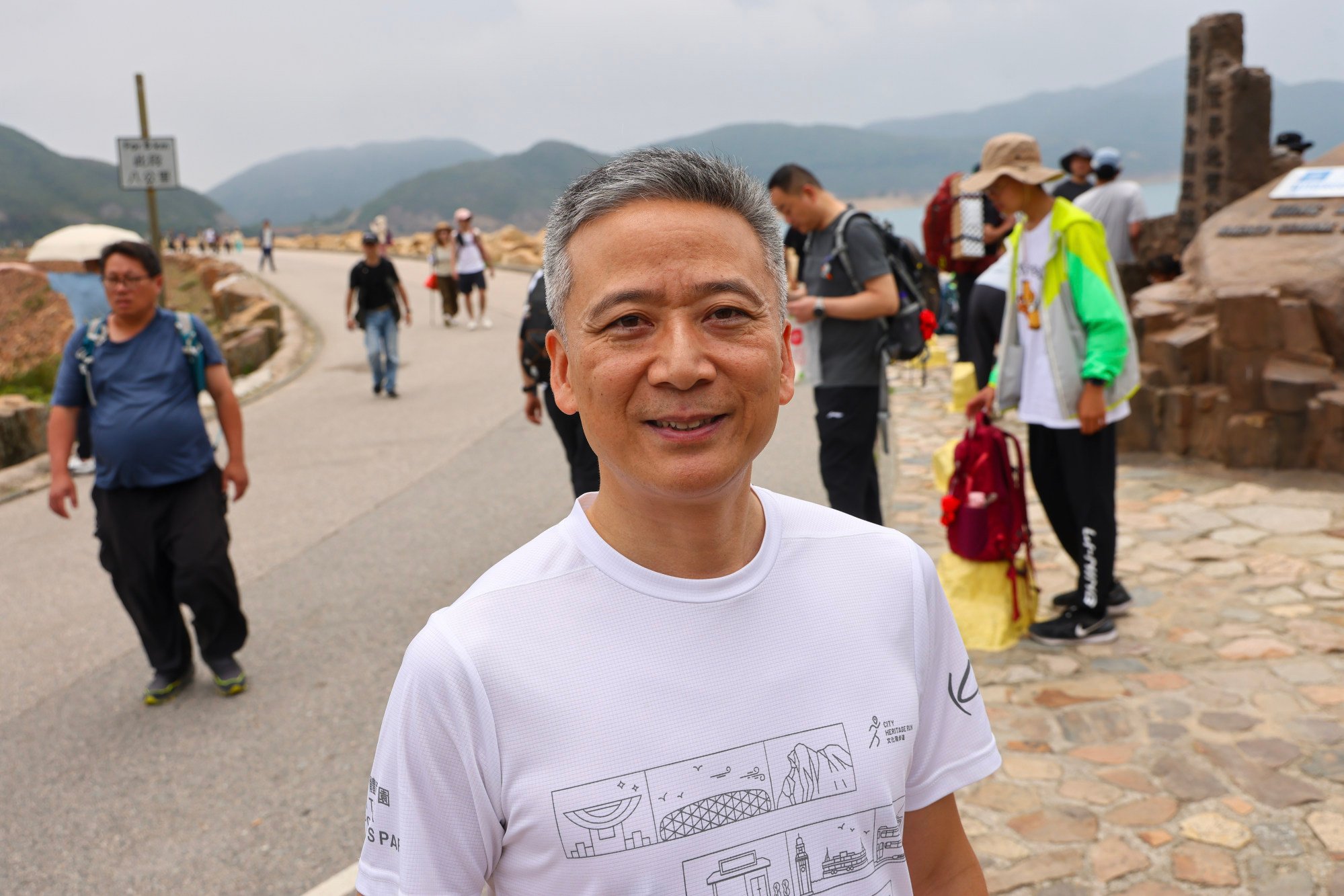
4. Incumbents making switch
Nine incumbent lawmakers have also announced they will seek re-election in another constituency.
Four are leaving the Election Committee constituency to compete for other seats, while four others have left their functional constituencies. Ben Chan Han-pan is switching from a geographical constituency to the Election Committee one.
In addition to Perry Yiu’s switch to run for the Election Committee constituency, Judy Chan Kapui from the New People’s Party has moved from that constituency to compete for the former seat of party chairwoman Regina Ip in the Hong Kong Island West geographical sector.
Election Committee constituency lawmaker Tang Fei will run in the education functional sector, after the incumbent, Chu Kwok-keung, announced he would not seek a second term.
Chan Pui-leung, previously returned via the Election Committee constituency, will run for the insurance functional seat this time, after veteran Chan Kin-por, who had represented the sector since 2008, bowed out.
Labour sector legislator Dennis Leung Tsz-wing, of the Hong Kong Federation of Trade Unions (FTU), also plans to seek an Election Committee constituency spot.
Aron Kwok Wai-keung and Michael Luk Chung-hung, both of the federation, are also switching, in moves seen to be making way for other FTU colleagues.
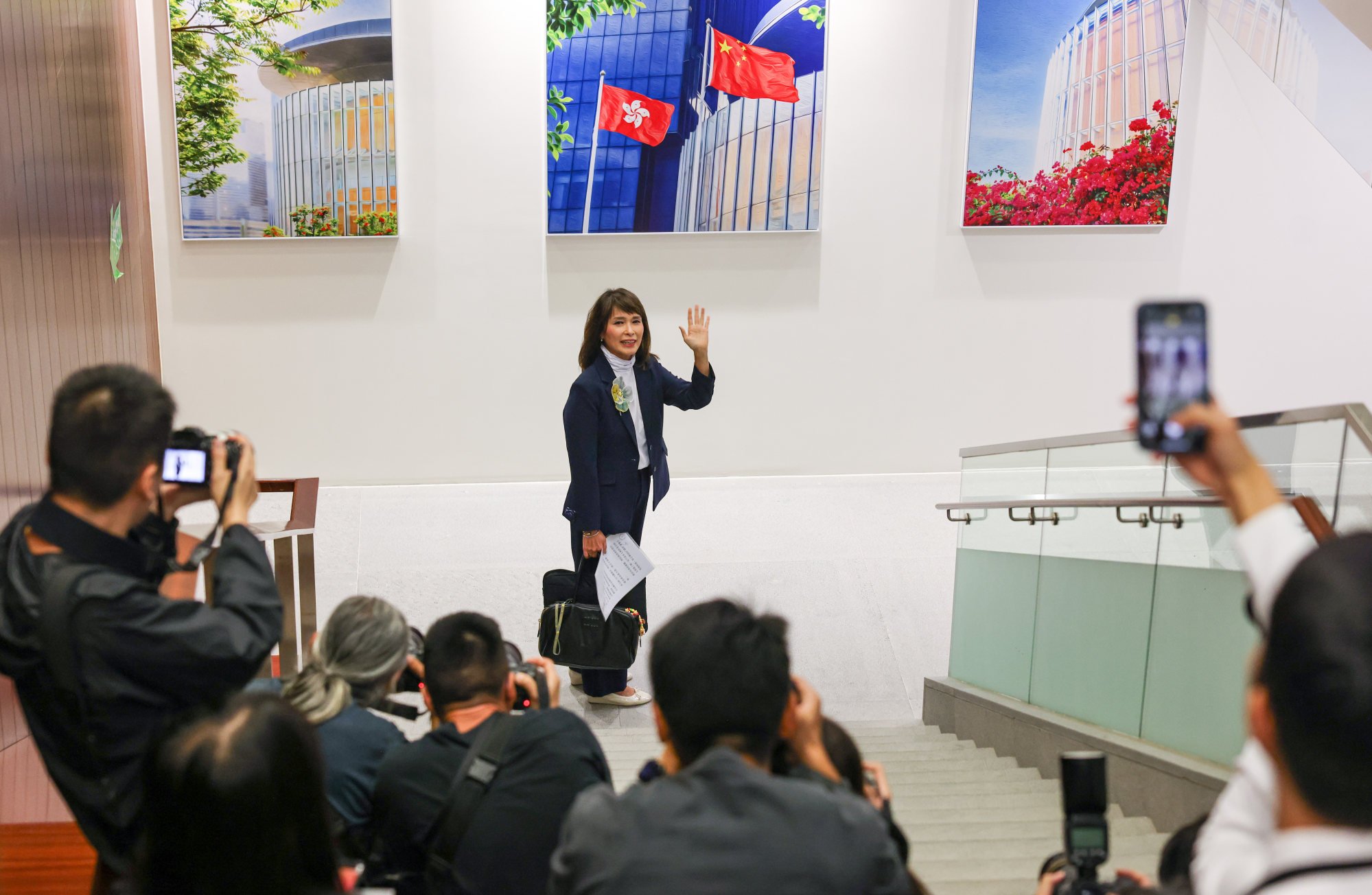
5. Any non-pro-establishment figures running?
No opposition candidates have signed up for the election, compared with the 15 non-pro-establishment or opposition candidates who contested the 2021 poll.
Outgoing lawmaker Tik Chi-yuen won the social welfare sector seat in the last election, becoming the city’s sole non-pro-establishment legislator.
Last month, Tik announced he would not run, citing a lack of resources and his wish to create more opportunities for the younger generation to contest. But his party, the Third Side, is not fielding any candidates, having failed to secure enough nominations.
Under the “patriots-only” overhaul, each candidate must secure a minimum of 10 nominations – at least two from across five sectors of the 1,500-strong Election Committee packed with pro-establishment figures – before they can throw their hat into the ring.
Jeffrey Chan Chun-hung and Allan Wong Wing-ho, two hopefuls from the PoD Research Institute, which is not a traditional pro-establishment group, have also signed up.
The institute, formerly known as Path of Democracy, was founded by Executive Council member Ronny Tong Ka-wah.
However, both candidates, running in geographical constituencies, did not declare their political affiliations in their nomination forms.
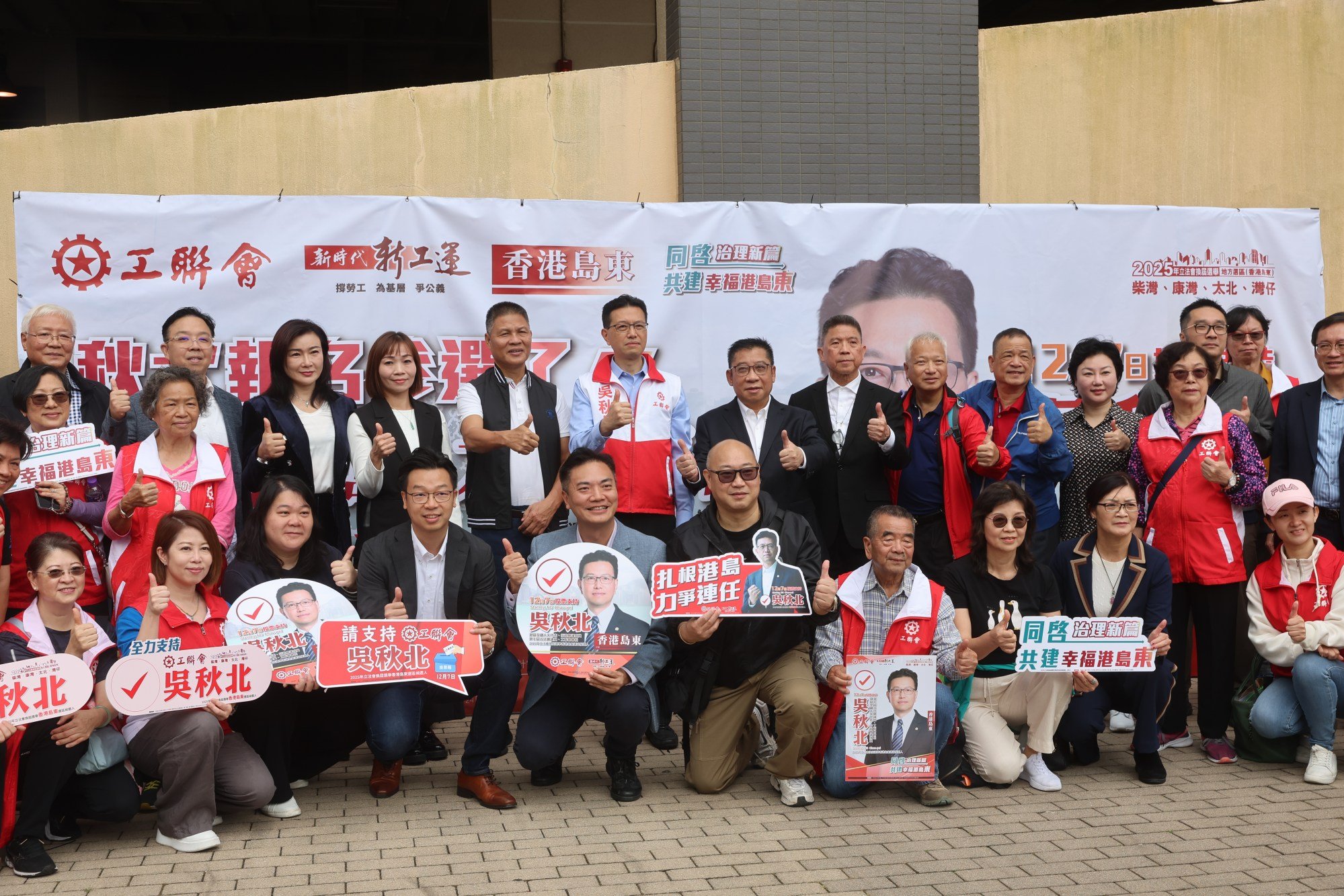
6. Ambitious political parties
Major political parties have fielded more candidates in the geographical constituencies, the only sector to see fiercer competition than in 2021.
The Democratic Alliance for the Betterment and Progress of Hong Kong, the city’s largest party, has 13 candidates vying for the directly-elected positions, up from 10 in 2021.
The party is also fielding two candidates each in three constituencies – Hong Kong Island East, Kowloon East and New Territories South West.
The FTU and the New People’s Party have nine and seven hopefuls respectively, compared with three-candidate slates from both groups previously.
The Liberal Party and the Business and Professionals Alliance for Hong Kong are also fielding candidates for the geographical constituencies, despite opting against doing so in the previous election.
The FTU is fielding three candidates to compete for the labour functional sector in a bid to take all three seats. It fielded only two candidates in the last election.
Analysts said the intensified competition in the geographical constituencies, which has 51 contenders running for the 20 seats, compared with 35 in 2021, would help generate interest in the election. - SOUTH CHINA MORNING POST


