




India remains a democratic counterweight to China in the Indo-Pacific region, a senior US State Department official said on Wednesday, dismissing any suggestion that sharp bilateral disputes over trade had fundamentally changed that position for US President Donald Trump’s administration.
“Absolutely still see India as a critical partner in the Indo-Pacific,” the official said, suggesting India is the “indo” in Indo-Pacific and adding that ties with New Delhi remain strong.
The official noted that the US Secretary of State Marco Rubio’s first engagement after he was sworn into office was with the Quad foreign ministers in January. India is a member of the Quad Security Dialogue with the US, Australia and Japan, aimed at countering China’s influence in the Indo-Pacific.
A leaders’ summit for the Quad is expected to take place in the fall in New Delhi, although there has been speculation about Trump skipping it. According to the State Department official, there is a possibility for Trump and Indian Prime Minister Narendra Modi to meet in person at the Quad. However, “we’re working on planning, so at some point that will happen, if not this year, early next year, working on the dates of that”, the official added.
Earlier this month, Trump held a phone conversation with Modi. Both sides described the talk in positive terms.
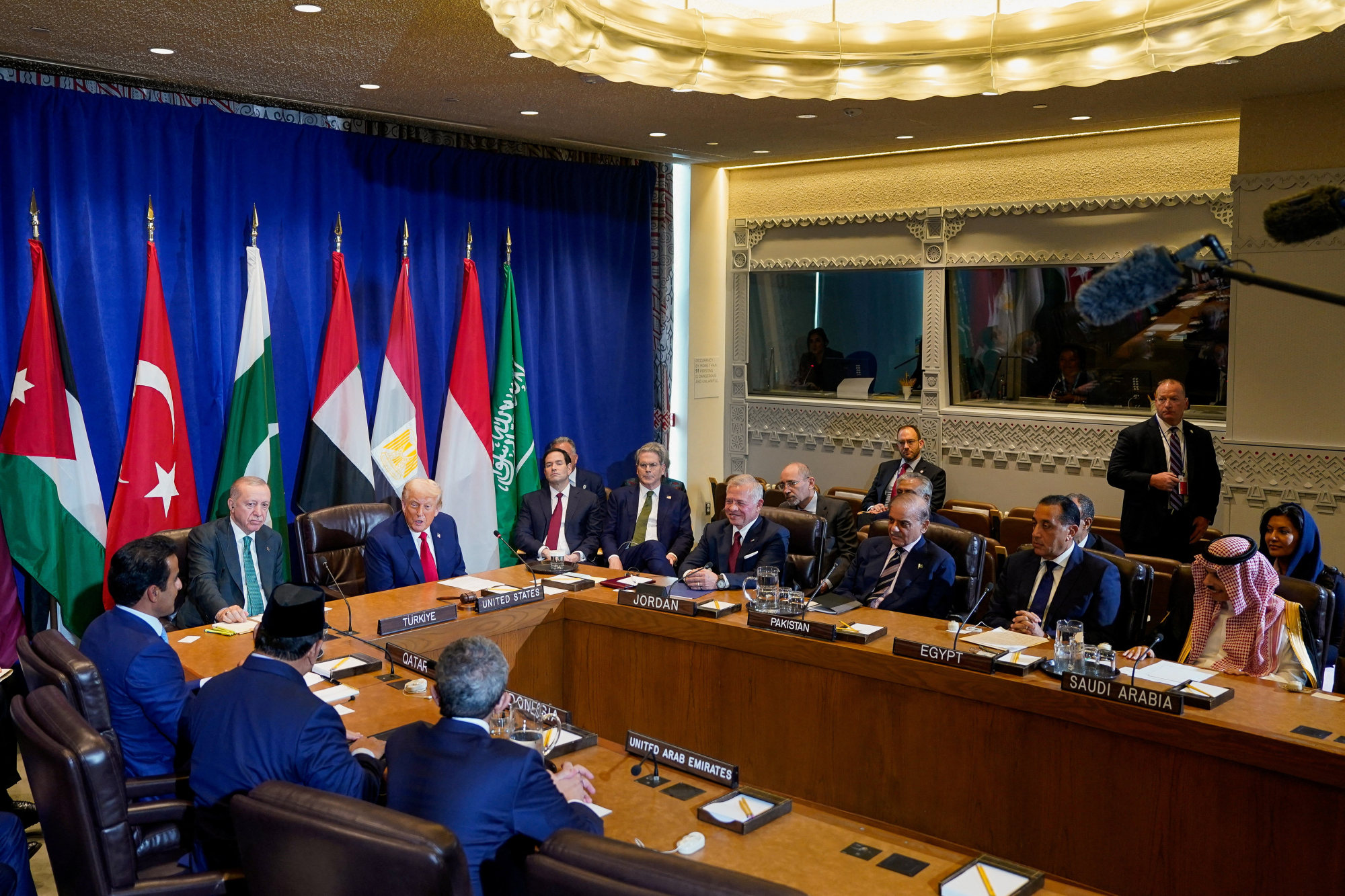
But since Trump returned to the White House in January, the America-first president has not described India as a counterweight to China and has warmed up ties with India’s arch-rival Pakistan. New Delhi has openly rejected Trump’s claims that he brokered peace between the two warring neighbours in May. The US president maintains that he used tariff pressure to force a ceasefire in the four-day India-Pakistan conflict.
The State Department official on Wednesday reasserted that it is a “fact” that the US was “involved in that crisis and absolutely helped broker that ceasefire”, noting that it was understood that the Indian government could not acknowledge it because it has a “domestic constituency they have to also speak to”.
To India’s dismay, Trump is also expected to meet Pakistani Prime Minster Shehbaz Sharif and Army Chief Asim Munir on Thursday at the White House. This would be Trump’s second meeting with Munir as president this year after they met over a private lunch in June.
While the State Department official stressed that the US was trying to look at Pakistan through “the lens of the US-Pakistan relations” and “figuring out” areas of cooperation, he noted that the relationship with China “obviously continues to be a concern of ours”.
In July, Trump announced that the US was looking to develop oil reserves with Pakistan and that perhaps “one day” India could buy oil from its neighbour.
However, when asked about progress on the exploration of oil with Pakistan on Wednesday, US Secretary of Energy Chris Wright told reporters in New York that he has not “spoken with American companies or delved into that issue yet. But based on your question, I’m excited to do that”.
Trump has also imposed hefty tariffs of 50 per cent, including 25 per cent tariffs as punishment for India’s purchase of Russian oil despite his warnings against it. The two sides have so far failed to achieve a trade deal as Washington continues to demand full market access to politically sensitive sectors like agriculture. Both Pakistan and China are at advanced stages of trade negotiations.
“The administration is dealing with China in its own right”, the State Department official said on Wednesday.
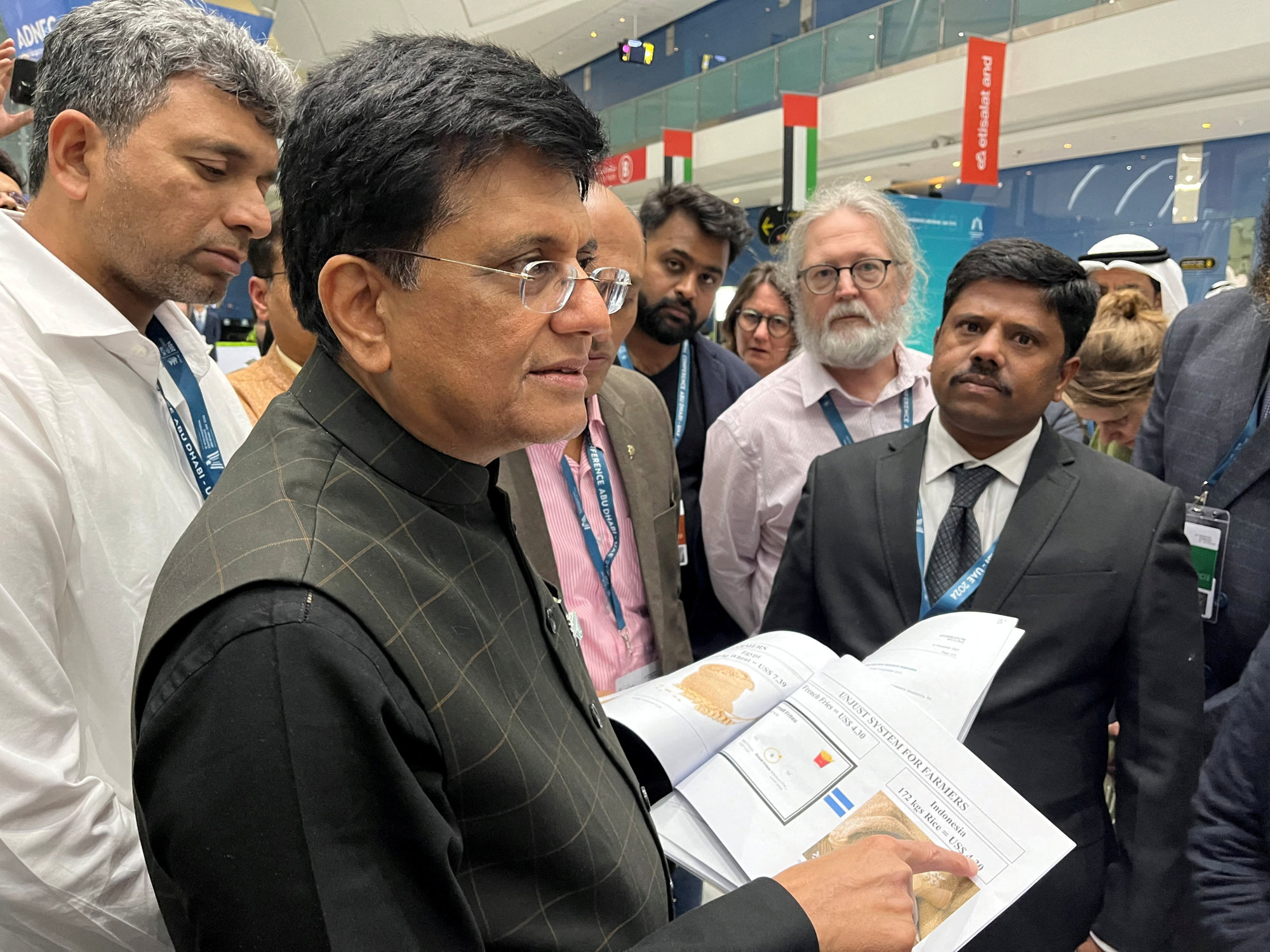
Indian Trade Minister Piyush Goyal is in New York along with Indian External Affairs Minister Subrahmanyam Jaishankar to meet his American counterparts. According to diplomatic sources, Goyal held a meeting with US Trade Representative Jamieson Greer. Meanwhile, Jaishankar met with Rubio that day.
The US State Department official confirmed on Wednesday that Rubio did take up the issue of Russian oil during his meeting with Jaishankar, saying that the US raises “every opportunity” to bring up the fact that the US wishes “to cut off this revenue stream” for Russia in its war against Ukraine. The US has not imposed any related tariffs against China, which also purchases Russian energy.
“Over the last few weeks, we’ve been working through some differences, particularly when it comes to trade and the purchase of Russian oil. We’re working through those conversations and they have been incredibly productive,” the official said.
The official added that the US president was “not shy” about “when he is frustrated with countries”. “This is one of the most transparent administrations in history, and that’s what’s so exciting, to be able to know really what the president’s thinking”. - SOUTH CHINA MORNING POST


