
Concert tickets and electronics are among the most common products used in trading scams on online marketplace Carousell, according to the platform, which has rolled out new measures that it has said will better protect users in Hong Kong.
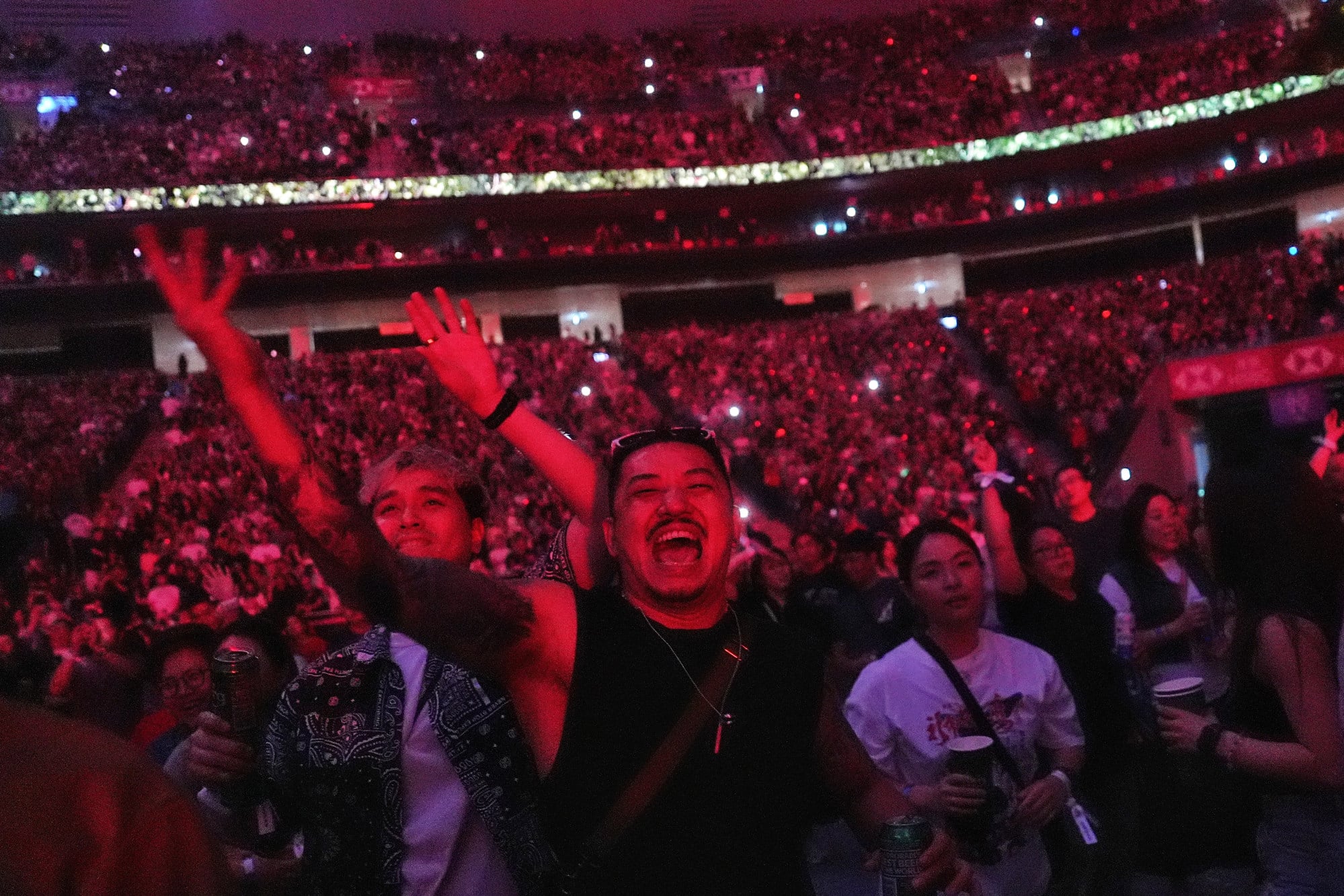
Randy Kuo, Carousell’s senior business manager, said the company had identified five of the most common scam types in Hong Kong in 2024, with those involving concert tickets being ranked No 1.
“The entertainment industry is very vibrant now. We see some malicious individuals who sell tickets at low prices to attract people who want to buy them. In reality, they may not have the tickets at all, or they have created fake tickets,” she said on Thursday.
Other common scams included counterfeit deceptions in which fake items were sold as genuine at “too-good-to-be-true prices”.
Electronic gadget and gaming scams were also prevalent, in which fraudsters sold items such as game accessories, consoles or virtual items that were not delivered after receiving payments.
Kuo said fraudsters even stole or bought accounts to scam buyers.
“This type of scam involves fraudsters impersonating Carousell customer service staff, who might ask users to provide their username and password in order to obtain their credentials,” she said.
“Someone might also want to sell their username and passwords to others because of their reviews and credibility.”
During the first five months of the year, Hong Kong saw a 25 per cent decrease in financial losses from scams, totalling HK$2.8 billion (US$356.7 million), despite an 8.4 per cent rise in the number of such cases, which stood at around 17,000.
The city also experienced a rise in concert ticket scams following the opening of Kai Tak Sports Park in March.

Kuo said Carousell had ramped up efforts to combat scams by combining technological defences, user education and new transaction features. For example, a measure was introduced a year ago to enhance protection for buyers over goods, including concert tickets and vouchers.
“We recommend that all transactions, including conversations, are kept within the Carousell platform as it is considered the safest method. For listings that offer buyer protection, users can complete the payment within the app and track the status of their order,” she said, adding that users should avoid sharing personal information.
She said Carousell had adopted artificial intelligence learning to detect and remove fraudsters and block high-risk behaviours in chats.
The platform had also enhanced its security measures through two-factor authentication via SMS.
“Since the peak in mid-May, we have seen the number of users receiving phishing messages has actually decreased by 85 per cent, which is the lowest level in over a year,” Kuo said.