Amid US-Japan trade talks under way in Washington, Japanese lawmakers have warned that Donald Trump’s tariffs posed a threat to not just economic partnership but broader strategic cooperation, leaving space for regional rivals like China to expand their clout.
Itsunori Onodera, a former Japanese defence minister who served while the first Trump administration was in office, framed ongoing efforts to come to a trade agreement as a national security challenge.
“We have to think about the linkage of the problem ... [The] economy, national security, food security and economic security. All are linked,” said Onodera at an event hosted by the Brookings Institution, a US think tank, on Wednesday.
Do you have questions about the biggest topics and trends from around the world? Get the answers with SCMP Knowledge, our new platform of curated content with explainers, FAQs, analyses and infographics brought to you by our award-winning team.
“This is not only a tariff issue,” he continued, describing “the national security framework and the global framework” as being “greatly impacted”.
Left unresolved, the impact of such an impasse between Washington and one of its most crucial allies in the Indo-Pacific could trigger a cascading effect, Onodera added, as other allies in the region like South Korea and India could be put off at a time when their unity is vital to managing an effective response to China’s ambitions.
The senior lawmaker’s remarks came as a second round of bilateral tariff talks took place in the US capital this week. So far, mixed messages have come out of Tokyo and Washington, triggering uncertainty in Japan and across Asia.
Japan’s top tariff negotiator, Ryosei Akazawa, planned to meet US Treasury Secretary Scott Bessent and others in Washington during his three-day trip from Wednesday, with the automotive and agricultural sectors likely to be on the agenda, Kyodo News reported.
Japan is one of the first major economies to have entered formal trade negotiations with the US following Trump’s so-called “Liberation Day” tariffs.
Last week, Japanese Prime Minister Shigeru Ishiba said after the first round of talks that Tokyo would not continue conceding to Washington’s demands.
“We won’t be able to secure our national interest,” the Japanese leader explained.
Onodera on Wednesday said a successful bilateral negotiation with the US could lead other Asian countries to “follow suit”.
Until then, distrust between Washington and Tokyo might offer Beijing a chance to raise its regional standing, according to a former high-ranking Japanese defence official.
“China is taking this opportunity,” said Kimi Onodo, a lawmaker, at the Brookings event, adding that the world’s second-largest economy depicted the US as “a risky partner, too”.
On Monday in Washington, Onodera and another prominent Japanese lawmaker cautioned that America’s tariffs policy could undermine bilateral economic ties and that the region’s security framework could suffer, too.
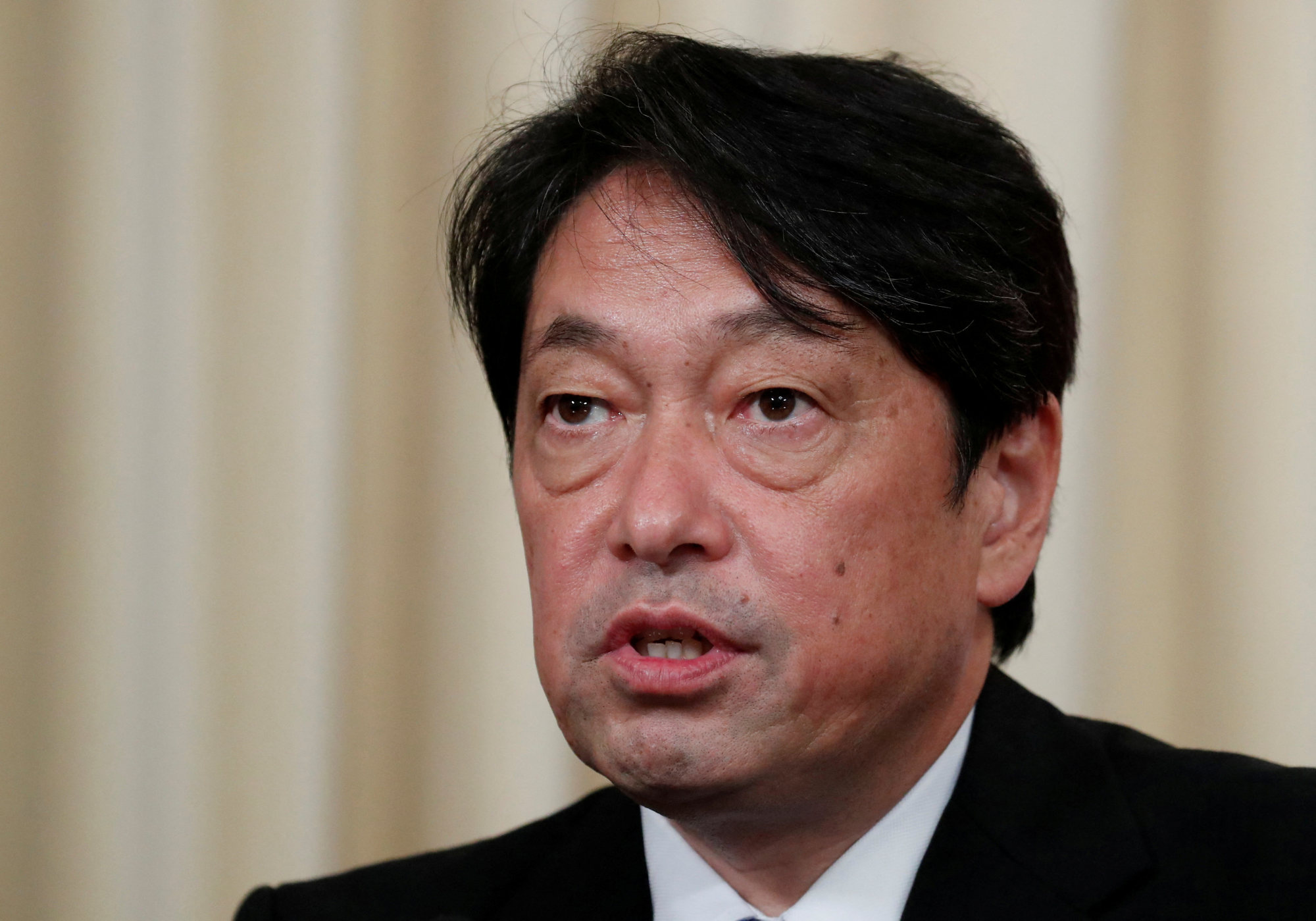
Speaking at the Centre for Strategic and International Studies, a US think tank, Shinjiro Koizumi said: “We are very concerned about the tariffs ... We don’t just see [tariffs] as a challenge between the US and Japan.”
“It is also a time for us to understand the strength of the alliance,” added Koizumi, a former Japanese environment minister.
Onodera, who also spoke at the CSIS event, cited the Association of Southeast Asian Nations as an example, concerned that worsening trade discord between Washington and the region could drive Southeast Asian countries towards Beijing.
“Asean countries and other Asian countries should have really been friends of the US, but due to the Trump tariffs, they may become more distant,” Onodera said.
Japan was hit with 24 per cent tariffs before Trump announced his 90-day pause on the new levies. The island nation is still facing the 10 per cent base rate, despite sending its trade envoy to Washington seeking a deal.
Amid the tariffs headwinds, Chinese President Xi Jinping earlier this month visited Vietnam, Malaysia and Cambodia, pledging to deepen economic ties with the Southeast Asian countries to counter the effects of US tariffs.
Since Trump’s second administration took office in January, Japan and South Korea, key American allies, have held two trilateral ministerial summits with China – one on diplomacy, the other on trade – hedging their security bets as US foreign policy undergoes a makeover under the isolationist, deal-eager American president.
Nevertheless, Onodera and Koizumi highlighted a need for the US and Japan to cooperate in security, especially as China has enhanced its defence posture in the region, evident in its military exercises related to Taiwan, the South China Sea and North Korea.
Koizumi maintained that Tokyo could be a bridge between the US and Asian countries to prevent China from filling the void.
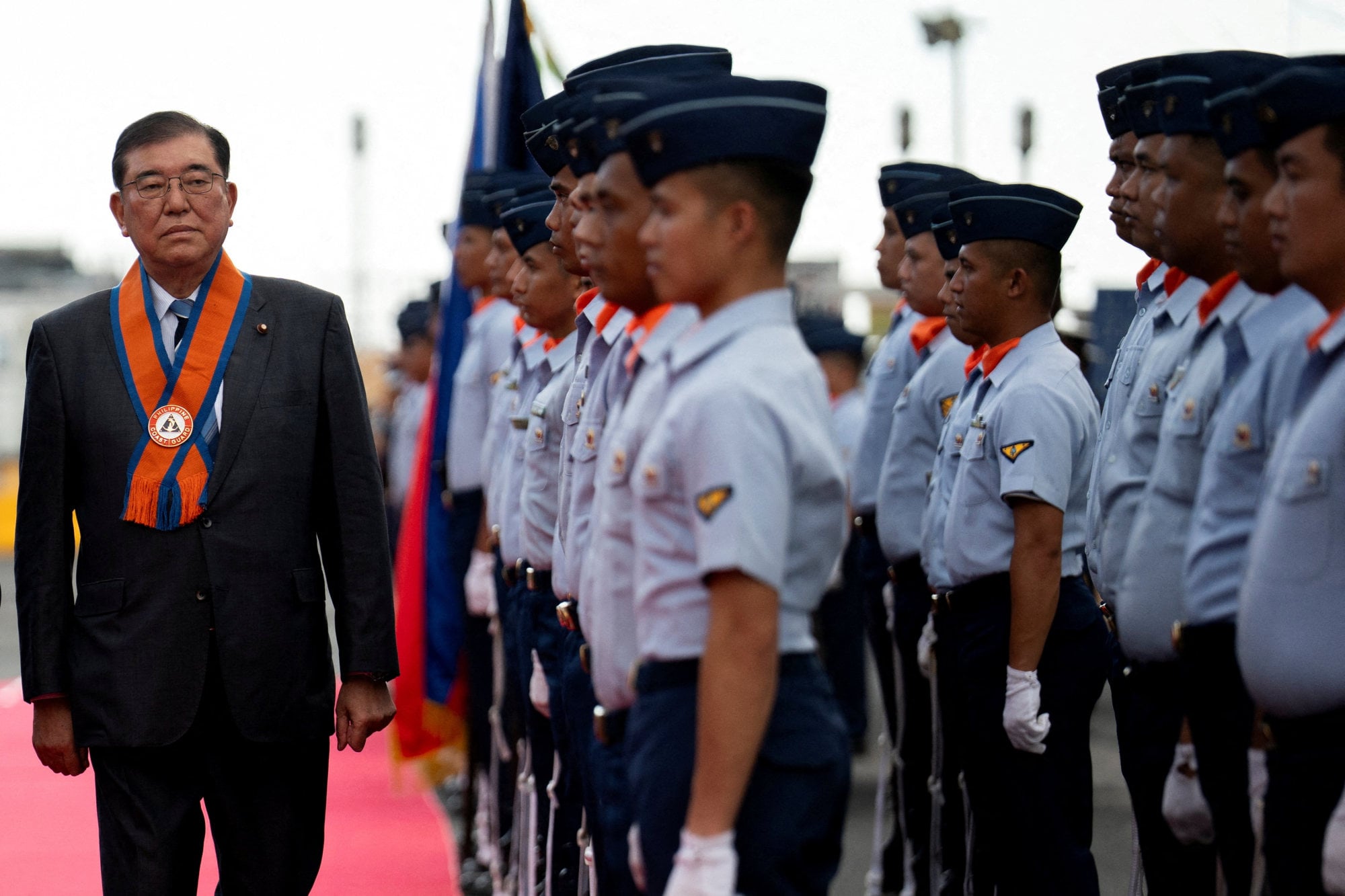
“There will definitely be a time when the US needs Japan [in handling] relations with China,” he said.
“The Chinese will step in where the US has pulled out to exercise its influence,” Koizumi continued. “In all these contexts, there are quite a lot of things that Japan could do and in terms of relations with China as well.”
“There will definitely be a time that the US needs Japan,” he added. “And for the world to be more peaceful and stable and more democratic, Japan needs the US as well.”
Trump has blasted the US-Japan security alliance as “one-sided”. As with America’s long-time arrangement with Nato, he has questioned the fairness of their mutual defence treaty in terms that have elicited anxiety among Washington’s allies in Asia.
On that point, Onodera said his country had crafted a defence strategy and was “strengthening our capabilities every year”, adding that Japanese officials believed the US leader “will appreciate that”.
Tokyo has pledged to increase its defence spending to 2 per cent of GDP by 2027 and is widening cooperation with Washington on shipbuilding, cybersecurity and maintenance of military assets.
Onodera also urged that more global attention be paid to Asia’s security issues, pointing to hostilities between North Korea and South Korea as well as frictions across the Taiwan Strait.
“The tension in East Asia is rising,” the Japanese politician said.
“Unfortunately, world discourse is focused instead on Trump’s tariffs. We hope that we can quickly move the discussion in a better direction in security areas.”
More from South China Morning Post:
- How Trump’s tariff chaos is bringing China’s ‘trade circle of friends’ closer
- Japan’s carmakers face pressure to consolidate as Chinese rivals rise and tariffs bite
- Trump hails tariffs – but list of achievements from his administration barely mentions them
- Trump’s Quad allies in Asia fret over tariffs as China factor complicates ties
- Will closer US-Japan-Philippines security ties create hostile bloc at China’s doorstep?
For the latest news from the South China Morning Post download our mobile app. Copyright 2025.