
Huzzah, future gamers! I'm writing to you from the distant past of July 2026, an era which I've no doubt has been forgotten and shrouded in myth by the time you're reading this. I've come to talk about The Adventures Of Elliot: The Millennium Tales, a time-travelling action adventure(?)/action RPG(?)/JRPG(?) from Square Enix.
Actually, those slashes / and question marks(?) are exactly why I wanted to dig into The Adventures Of Elliot – I've really enjoyed the game, but it's the effort of trying to explain why I had fun that makes it interesting to me. I told my friends it's a "Classic Zelda-like" because of the swordplay, but maybe it's more a JRPG? And I wanted to praise the time travel mechanics, but then I remembered other games did it better? And that's fine??
Anyway, enough question marks – let's get on with our adventure! (of video game analysis.)
What's a Millennium Tale?
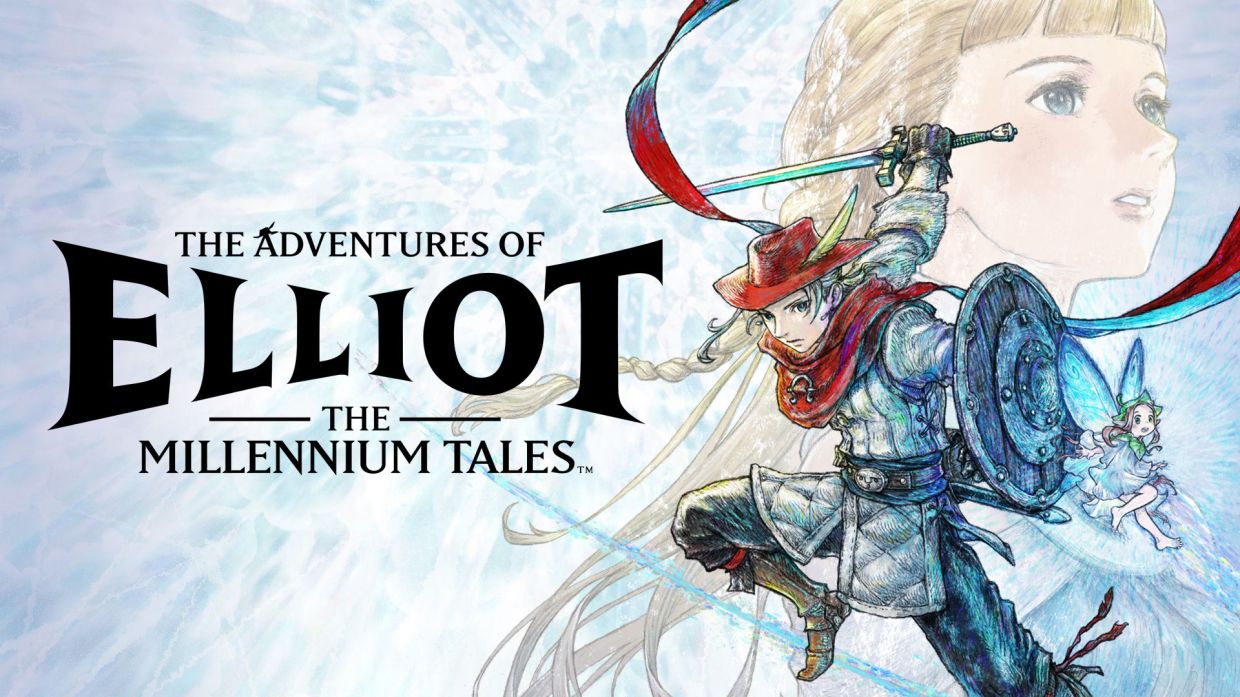
The Adventures of Elliot: The Millennium Tales is a "classic-Zelda-like action JRPG"(?) where you play the titular adventurer, as he and his fairy companion Faie (time) travel across a few distinct ages (across a millennium, you might say) to save the last kingdom of humanity from monsters and time paradox shenanigans.
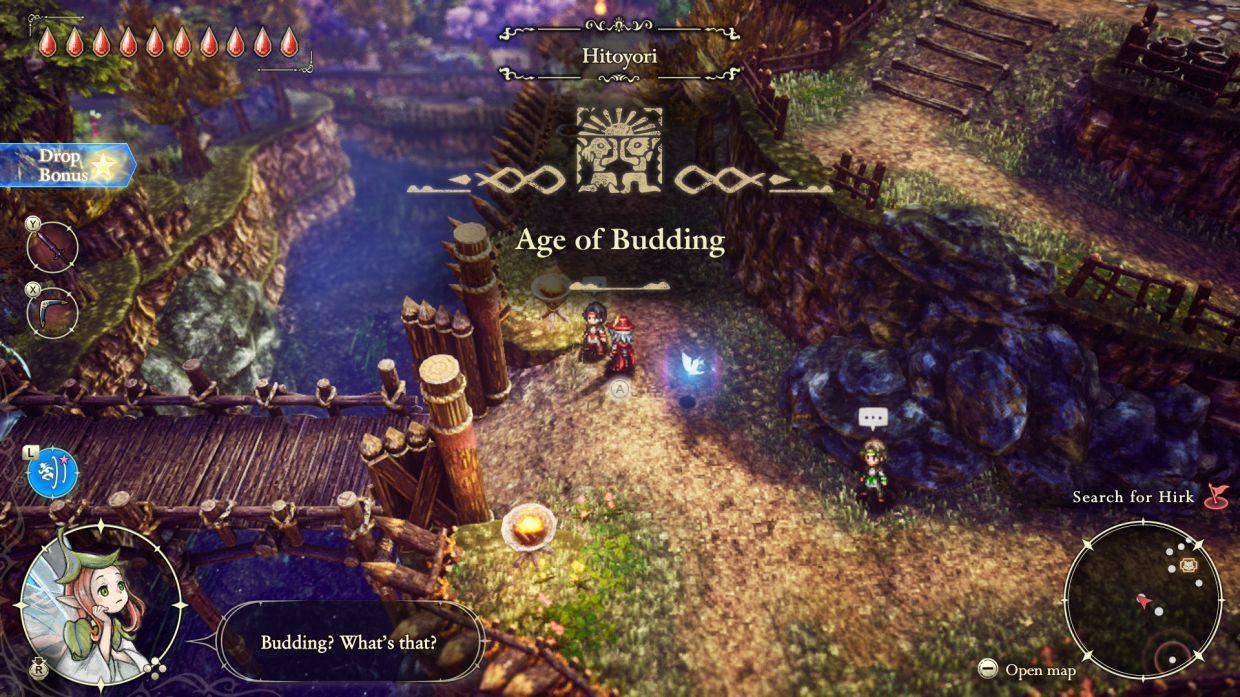
As Elliot, you'll be doing everything from saving a princess in the Age of Safekeeping (where the remaining humans survive in the magically shielded walls of the Kingdom of Huther) to delving into dungeons in the prosperous Age of Magic (which directly precedes the post-apocalyptic Age of Reconstruction, so you know things are going to go great).
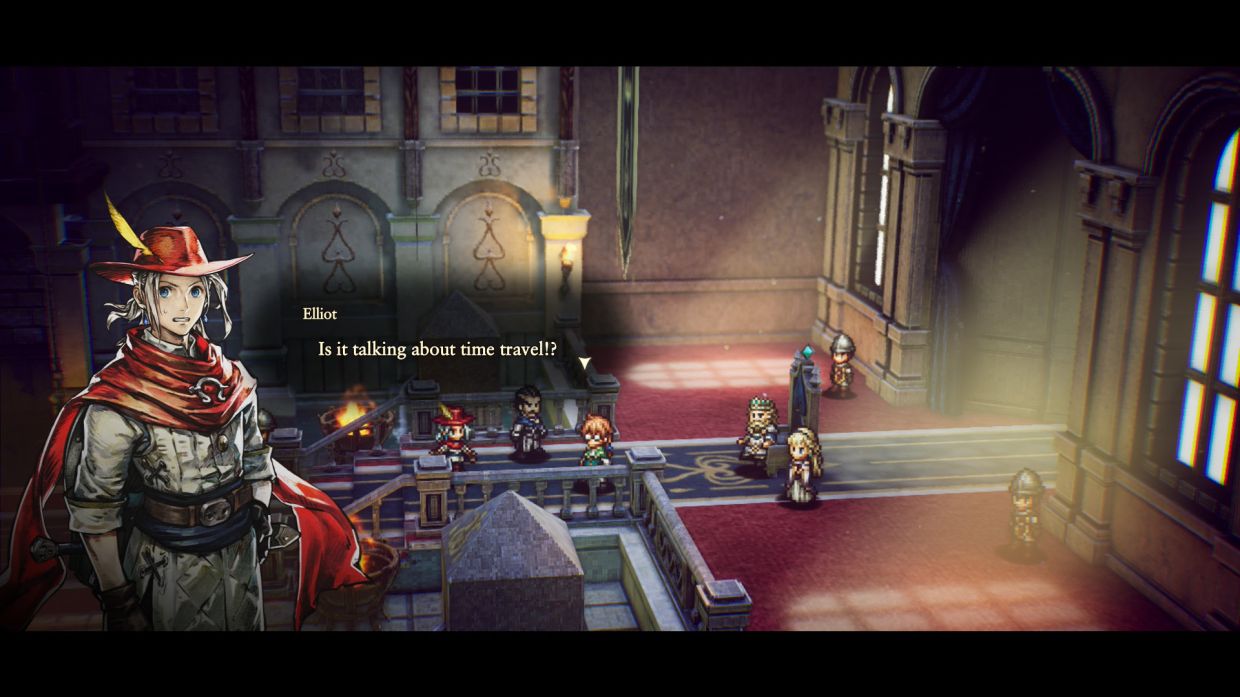
The game was released by Square Enix & Claytechworks in June 2026, and it's beautifully rendered in Square Enix's now signature HD-2D style (2D sprites in 3D environments). Its painted artwork and voice acting stand out to me too – its presentation is just neat!
If you like classic Zelda games (like A Link To The Past), and/or classic "heroes save the world" JRPG stories (think Final Fantasy I to VI), then Adventures Of Elliot is a strong recommendation from me. I really, really want to emphasise again that I genuinely enjoyed this game – because I'll now spend the rest of this article nitpicking everything about it.
What's a classic Zelda-like?
A lot of my personal confusion in trying to understand why I like this game comes from trying to explain: what kind of game is this??
Let's start by adding the label of "classic Zelda-like", a term I use to describe action adventure games that follow a template laid out by the seminal The Legend Of Zelda: A Link To The Past (Nintendo, SNES 1991). There's a large, semi-open, overworld map for you to explore, and a bunch of dungeons that give you new magic items/power ups/etc that expand where you can go and what you can do.
Pixel art indie games tend to love this format. I've played Elementallis (AnKae Games, 2026) and Under The Island (Slime King Games, 2026) this year alone, and these games try to stand out by adding in unique mechanics/themes/settings to the formula, like Elementallis's element-themed powers (obviously) which are used for puzzle solving and combat.
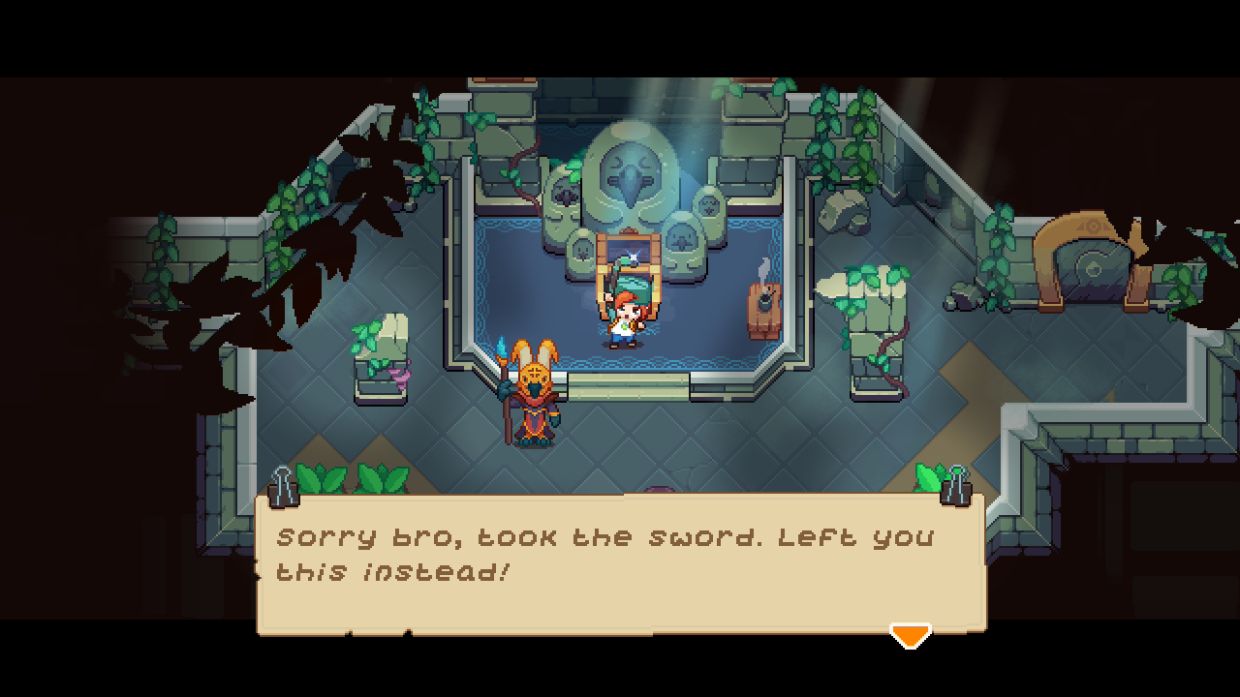
On the surface, Adventures Of Elliot fits my classic Zelda-like category. There are puzzles to solve, dungeon bosses to beat, and sooo many cracked walls waiting to be bombed. However, a missing key ingredient here is that Elliot's progression isn't really gated by the new magic items/power ups/etc that you find.
In classic Zelda-likes, if you find a river that's blocking your progress, you know it's because you haven't beaten the dungeon which gives you the magical swimming trunks that let you swim, magically. With Elliot, the reason you can't access the volcanic region is literally because someone forgot to give you the volcano key to the volcano door. It's the classic RPG "broken bridge" design, where you can't progress until some unrelated plot item is resolved.
It's not bad game design, but like sushi being served with pasta, it's mildly confusing to someone so used to the formula.
The action in action adventure
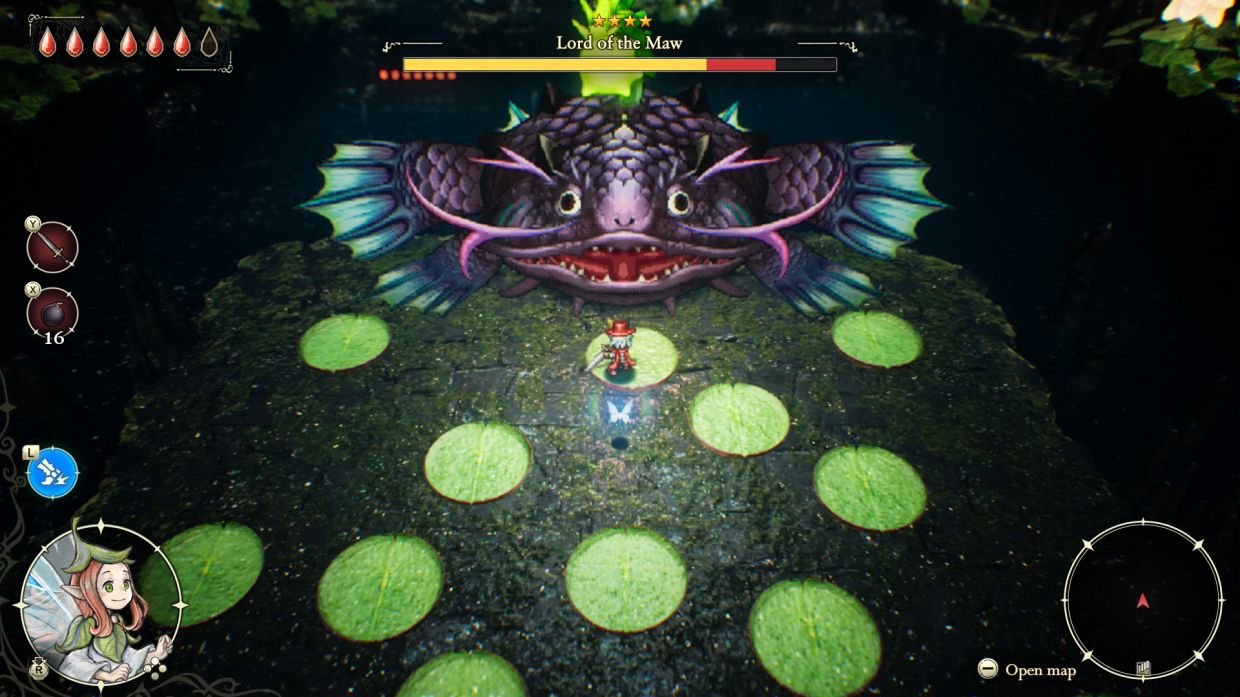
As an "action adventure" game, Adventures Of Elliot's moment-to-moment action gameplay feels pretty good. You have seven weapons to hack/slash/shoot monsters with, a shield to parry, a jump to traverse platforming challenges, and five fairy powers which are also used to solve puzzles. The simple actions of whacking enemies and traversing the map feel responsive and interesting on their own.
However, action is only one part of the "action adventure" formula, and strangely, the second part isn't even "adventure". Naw dudes, it's the long-term strategy attached to the action gameplay.
An action game like Splatoon Raiders (Nintendo, Jul 2026) feels great to play, but what got me obsessed is that the game lets me collect, customise, and upgrade my weapons and gadgets (abilities) with the rewards I got from simply playing. The short-term gameplay loop (action) of splatting enemies with my Splattershot fed into the longer-term decision-making (strategy) of improving my Speed Tank build to defeat my enemies, which fed back into the action, and so on.
In Adventures Of Elliot, there's an interesting gacha-like "magicite" system that lets you upgrade your weapons with a combination of unique effects, so you can do cool things like make your bow shoot homing arrows, which are also on fire, which also explode.
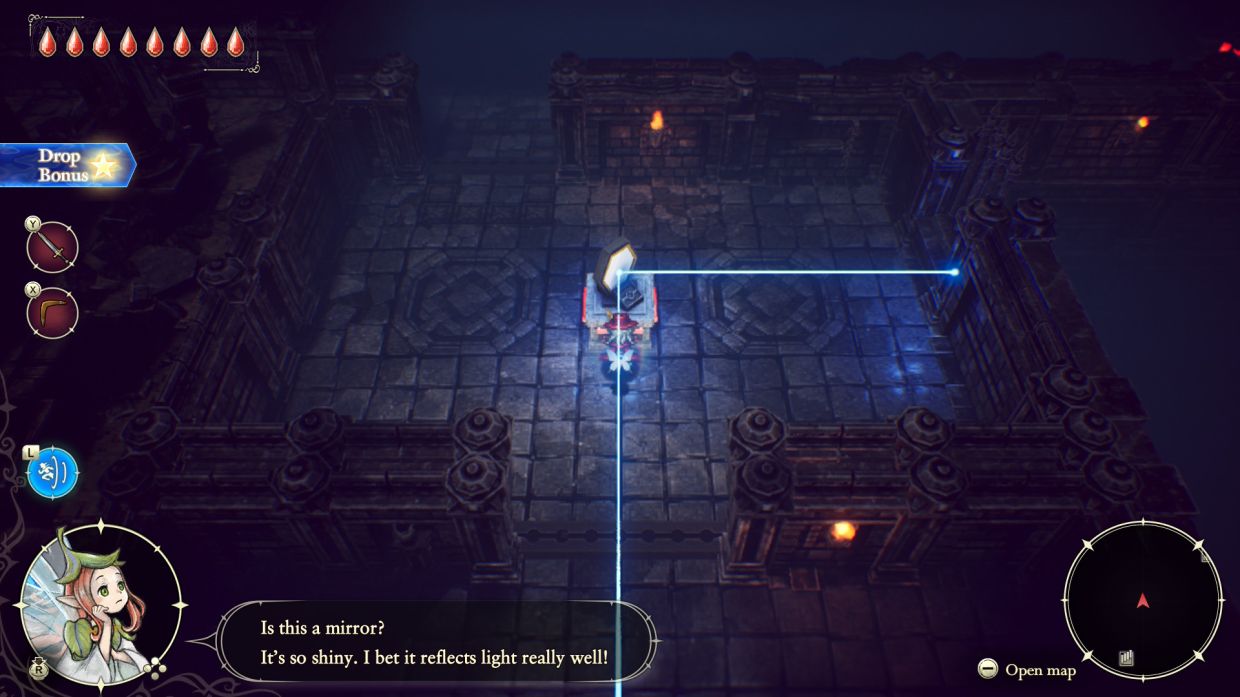
Issue is, it's not really necessary to think about your decisions too hard? I use the sword and bow combo almost exclusively, and the only upgrades I care about are the damage buffs. There's rarely any occasion where I have to go, "hmm, this monster is resistant to my tactic of either (A) whacking it up close or (B) whacking it from afar, so maybe a hammer with a stun upgrade will-" nah, nope. Whacking is always the answer.
The action in Adventures Of Elliot feels great, but I wished the developers explored more of the potential strategic depth. (I know they can, because they made the game's boss fights legit interesting challenges of both skill and problem-solving!) But then again, the game didn't sell itself as an intense hack-and-slash game, did it? No, it's a-
...Time-travelling adventure!
So coming back to the main theme of the game, Adventures Of Elliott uses time travel as a really neat storytelling device, and a way to explore some narrative themes. As you travel back and forth between the different ages, you'll watch human society rise and fall and rise again; and you'll see older generations passing on their legacies to their great-great-great-great-great(-etc) grandchildren.
My main pedantic hangup here is that time travel has been done in much more interesting ways in other games – heck, one game by the same(-ish) company, even. If we're talking about time travel JRPGs, Chrono Trigger (Square, SNES 1995) (yes, before they became Square Enix) immediately comes to mind.
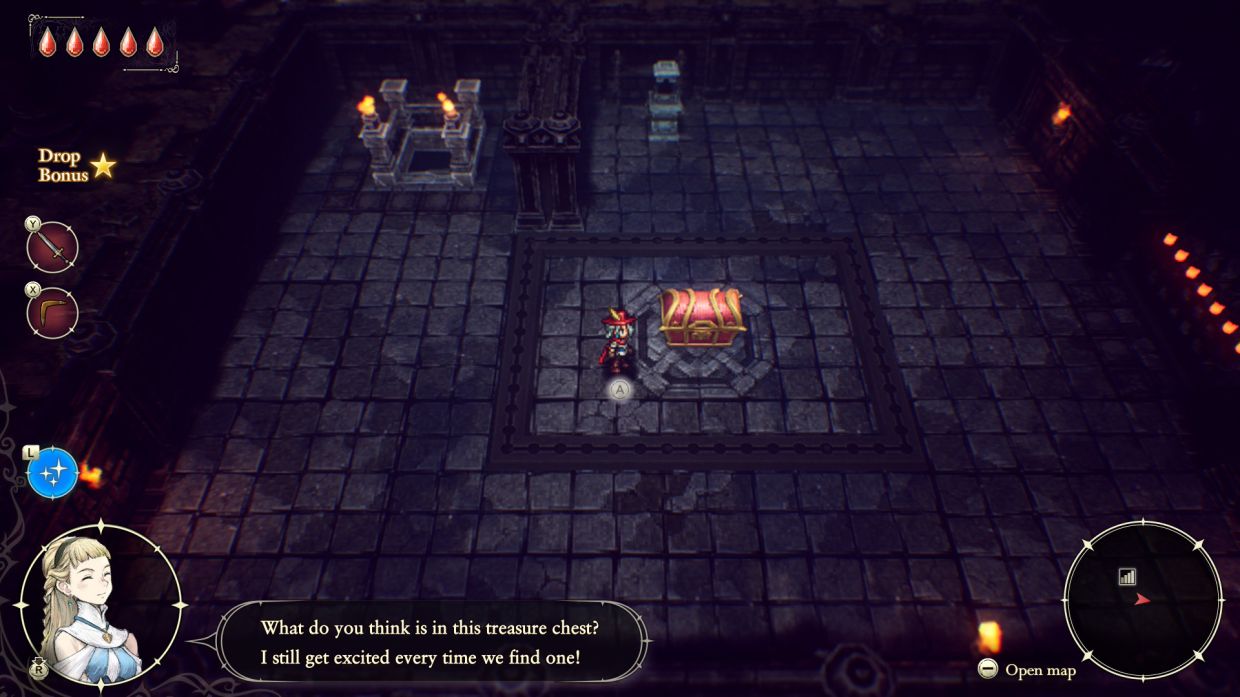
If you compare Adventures Of Elliot with Chrono Trigger, then the older game has a far more sweeping, epic scope: you'll be fighting everything from dinosaurs in prehistoric jungles to a steampunk dragon tank guarding a castle to mad robots in a post-apocalyptic sci-fi future, all while the continents themselves shift in the wake of various cataclysms from 65,000,000BC to 2300 AD. (That's mathematically equivalent to 673 millennium tales!)
Conversely, Radiant Historia (Atlus, Nintendo DS 2010) is a time travel JRPG that's narrower in scope – "only" taking place across a period of war – but it goes hog-wild in exploiting time shenanigans to solve puzzles, quests, and problems. Traitors ambush you? Travel back an hour and ambush them. Blocked by a cracked wall, but nobody has bombs? Time travel to an alternate timeline and find the hitherto missing bomb merchant.
So is a big epic scope or creative puzzles that exploit time travel tropes required to make a good time travel story? Nah, not at all, but I just wanted to contrast other games with Adventures Of Elliot, just to understand why this game is still one of my current favourites.
JRPG stories and characters
Uh, embarrassingly, the reason is pretty simple: I just really, really like the story and the characters.
While I've been spending days trying to analyse the different mechanical parts of the action gameplay and making comparative studies of time travel usage in different narratives, I completely overlooked the obvious fact that, in addition to being a classic Zelda-like and an action adventure and whatnot, Adventures Of Elliot at its core is still a JRPG.
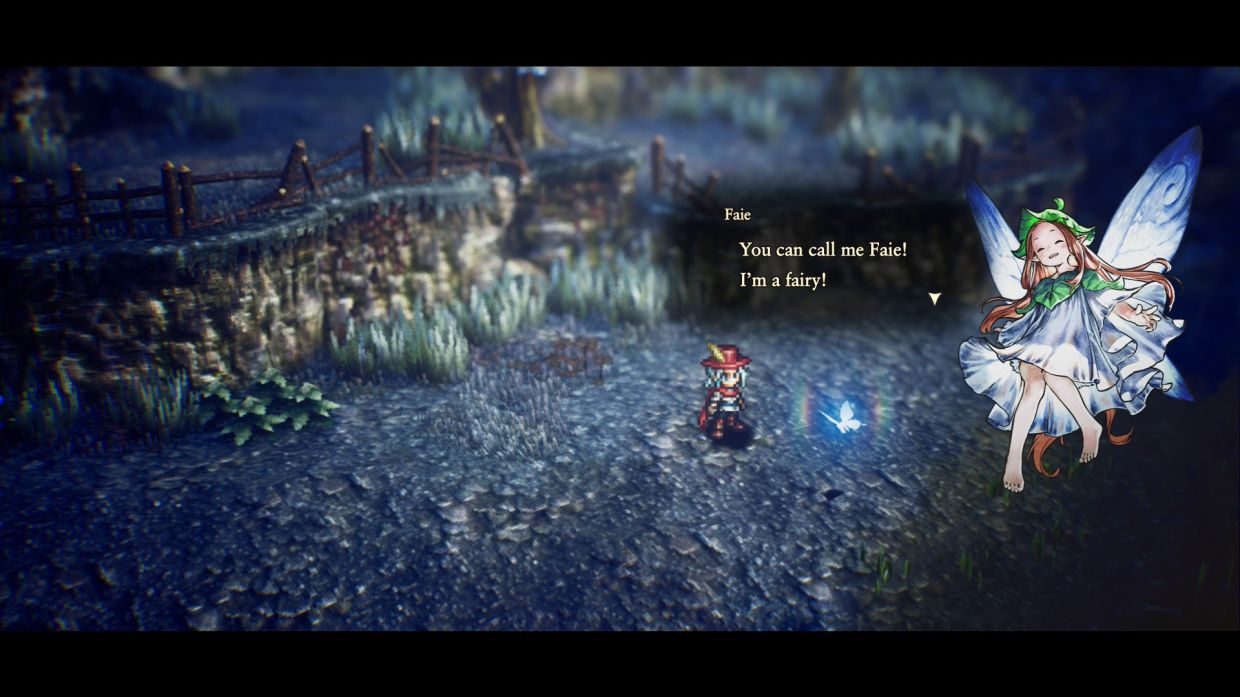
And the best JRPGs' true ultimate final power (go ahead and shout that like an anime protagonist) has never been their gameplay mechanics/design, but instead it's all the stories they tell, the characters we get attached to, and the narrative themes they explore. It's storytelling 101, and everything else – interesting time travel gimmicks and solid action gameplay included – is just the seasoning.
Elliot is a very simple & straightforward protagonist who's plain likeable, with a friendly personality and a heroic streak. The human kingdom is filled with nice people, the princess is a peach (haha), the king is wise and just, and the king's evil advisor is obviously evil. Appropriately for a game with time portals, it feels like a throwback to early JRPGs where it's basically just a story about good triumphing over evil – except this simple story is executed with the mastery of game devs who now have decades of JRPGs to learn from, and the resources to make the presentation shine. (Seriously, I love the art style and illustrated character portraits.)
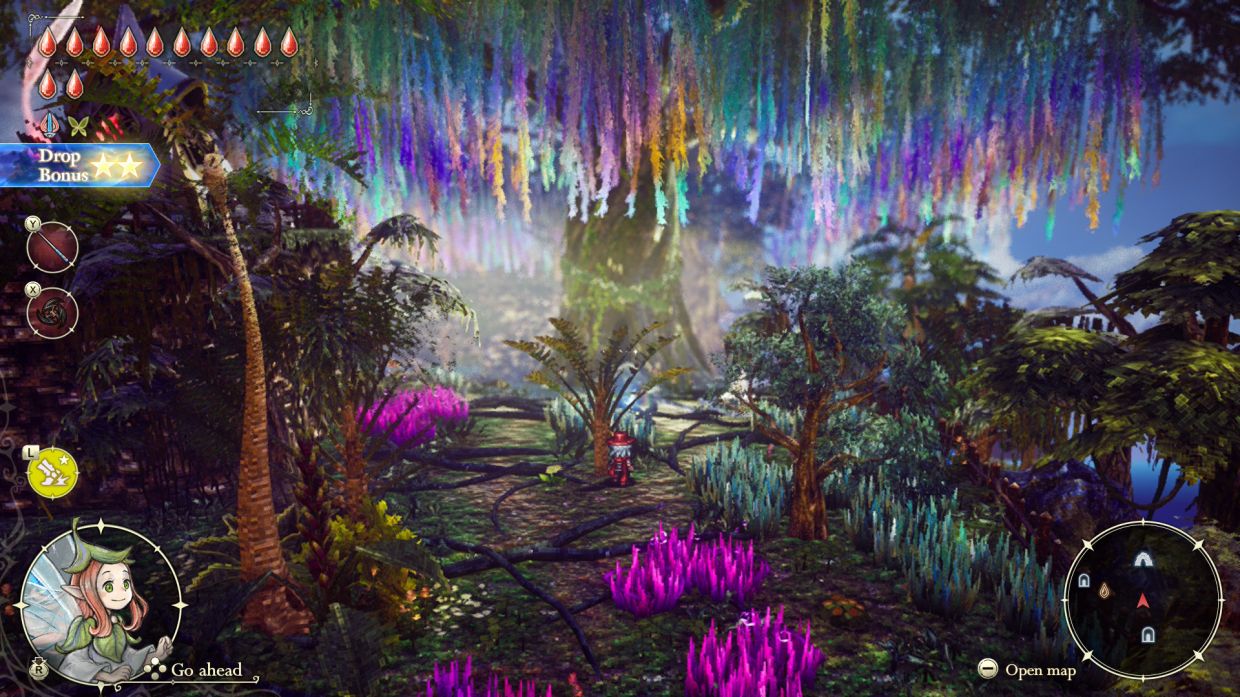
Heck I even like Faie, the literal exposition fairy who keeps telling me "hey, listen! There's a cracked wall here that can be bombed!" every time I pass an obvious cracked wall that can obviously be bombed. I understand players who choose to mute her, but hey, I've grown fond of exuberant chatty sidekicks in my games. Possibly because I've been playing too much Genshin Impact and have developed Stockholm syndrome with Paimon.
Elliot, Away!
So yeah, that's The Adventuring Of Elliot: The Millennial Tails. I came for the time travel shenanigans, and I stayed because the action was good, but I really got invested because I genuinely enjoyed having a fairy reminding me that I once again need to save a princess in peril.
I'm still surprised that – given my obsession with studying game mechanics, categorising games into genres, and unravelling design themes – sometimes it's just the basics of storytelling that makes a game appealing. Huh. Anyway, I'm glad I can recommend this one to ya.
Now, my only wish is that time travel was real so I can fix my past mistakes – like going back to the start of this section and fix that typo with the game title – but alas, that's just a fantasy.