
On a popular social media live-stream a young girl pours her heart out to a stranger.
She is highly educated, comes from a wealthy family, but has fallen head over heels for a man 10 years her senior who is poor and does not love her.
The live-streaming influencer, Taozai, responds not with sympathy, but with something far more jarring:
“Not only do you have a ‘love brain’, you also subconsciously discriminate against people with lower education and the poor. You discriminate against others, and others will not love you. This is karma; you deserve it.”
To others, this may seem like public humiliation, but for many young people who have self-diagnosed as being “love-brained” in China, it is an emotional release.

The bizarre ritual is quickly spreading across the internet, with thousands flocking to live-streams, paid courses and influencers who offer “scolding” services.
The term “love-brained” is a unique concept in China, referring to people who lose their rationality due to their obsession with love.
On the social media platform where he plies his trade, Taozai, sporting a signature curly hairdo, has attracted nearly 2 million followers with his harsh style of delivery.
His followers can pay 1,800 yuan (US$260) for a one-year membership, which grants them privileges like skipping the queue to join live-streams and one-on-one text-based consultations.
In one of his most-liked videos, Taozai tells a man who complained about endlessly giving to a girlfriend with no ambition: “You are just the same. Only flies cling to excrement.”
Another influencer who went viral for scolding love-brained adults is Xiakespeare, whose real name is Zhou Lijuan.
The 54-year-old, known for her twin-tail hairstyle and white lab coat, plays the role of a psychological counsellor.
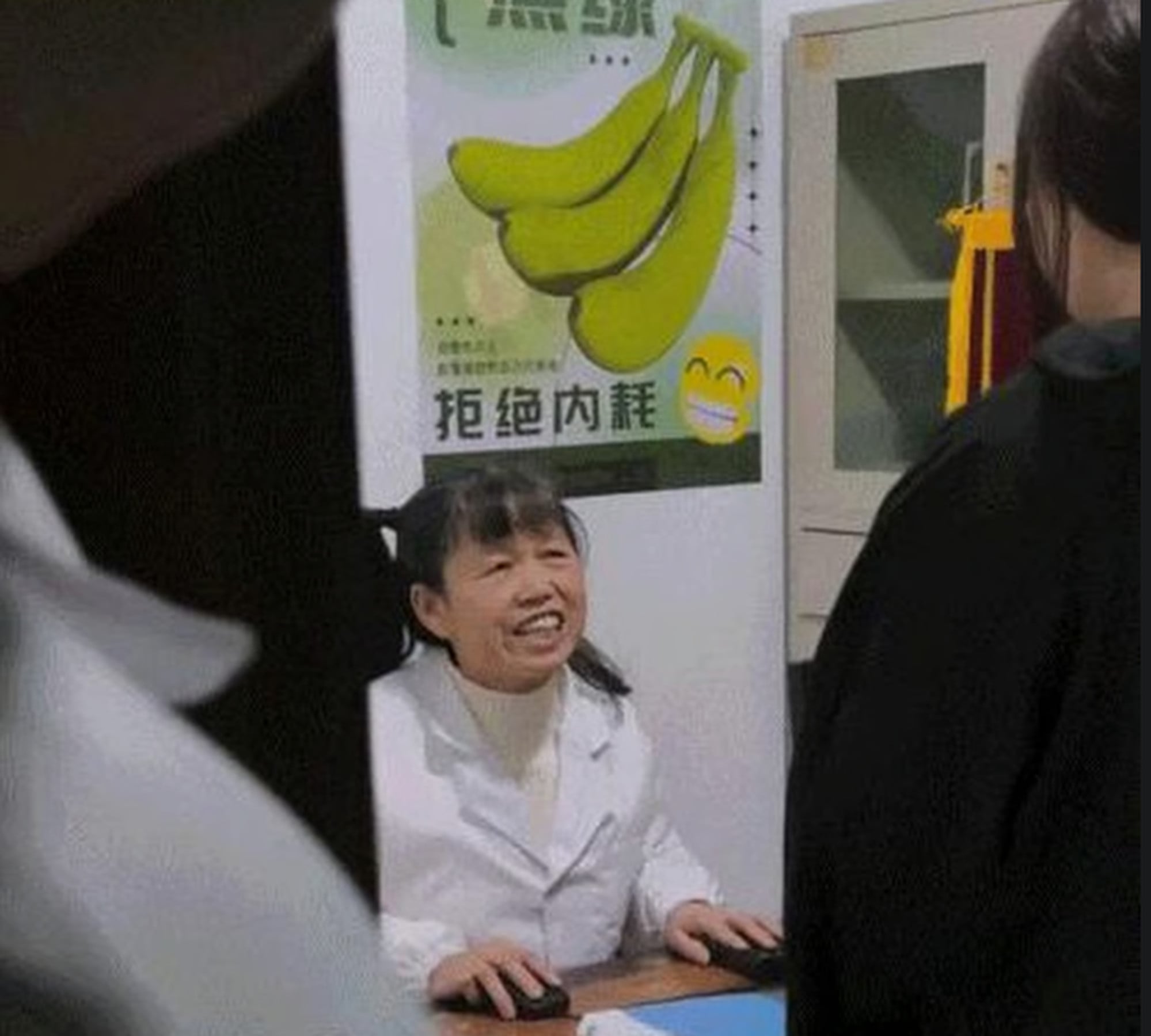
When a woman complains that her boyfriend has not replied to her messages and is trying to make excuses for him, Zhou responds: “Who suddenly stops replying while passionately chatting? Is it because there is no signal in his graveyard?”
On multiple mainland e-commerce platforms, many shops are selling scolding love-brain services, with some shops achieving monthly sales of over 3,000 items.
In one online shop, buyers can choose from different service packages, with a 30-minute scolding call priced at 60 yuan (US$9).
One user said after buying the product: “The counsellor’s reprimand was a wake-up call. That 30 minutes helped me get over my ex. It is much cheaper than seeing a therapist.”
Offline consultations from psychologists in first-tier Chinese cities typically cost between 500 and 2,000 yuan (US$70 and US$290) per hour.

Psychologists say people unable to escape toxic relationships are not seeking humiliation; rather, they yearn to be genuinely seen, understood and guided.
Zhang Yong, a psychological counsellor and professor of social work at Wuhan University of Science and Technology, said in an interview:
“When people are overwhelmed by negative emotions, the brain’s cognitive defence mechanisms make self-reflection difficult. In these cases, strong external feedback, such as reprimand, is more likely to trigger self-awareness.”
Meanwhile, the anonymity offered by social media diminishes participants’ shame and allows them to share their stories openly.
Zhang warned that a lack of proper qualifications and oversight might lead some so-called emotional coaches to spread misguided views on love.
The trend extends beyond romantic relationships, evident in the widespread impact of China’s “demon teacher” Liu Xiaoyan’s strict English teaching style.

Liu often warns her online students that if they do not focus, she will “turn into a ghost and crawl out of the screen to eat you”.
Many students say that her “tough-love” style revived their energy and helped them regain their confidence in studying.
As emotional value becomes increasingly commodified, people’s consumption habits have shifted from buying what is useful to buying happiness.
China’s state-run media Renmin Daily cites an industry report that shows the country’s emotional economy market reached 2.3 trillion yuan (US$331 million) in 2024, and is expected to exceed 4.5 trillion yuan by 2029.
In 2024, a small monster toy named Labubu, with sharp teeth and an evil grin, catapulted its maker Pop Mart to US$1.8 billion in revenue.

In January, a sewing mistake at a Chinese factory created a crying face on a horse plush toy, which unexpectedly resonated with many workers suffering from monotonous, labour-intensive jobs.
Also, some young women in China hire cosplayers to play their perfect virtual lovers inspired by games, novels or cartoons, engaging in real-life dates.
They long for real companionship and intimacy while opting for a safe, controllable alternative.
Professor Zhang said that although emotional economy is no longer a novelty, it will continue to be reinvigorated by the development of digital platforms and emerging societal contradictions.
“In this context, emotional education should become a long-term core issue for society. How people can more healthily and positively manage and understand their emotions,” he said. – South China Morning Post