Companies and owners of 3D printers pitch in to make prosthetics for free for those who need it most – especially kids.
Prosthetics are essential to anyone who has lost a limb but the price often places it out of the reach of many.
However, the advent of 3D printers and cheap plastic filaments – the material used in 3D printing – has made printing prosthetics relatively affordable, especially because the designs are available for free on open source sites.
Sujana Rejab’s company, MyVista, which builds 3D printers, saw an untapped resource – the firm’s printers were not being used between jobs.
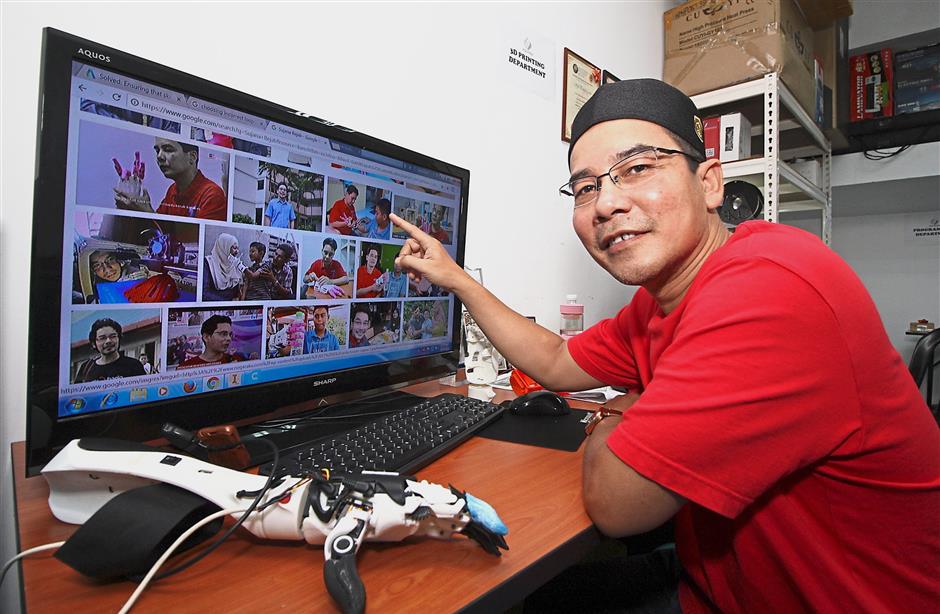
So he volunteered for e-Nable, a global community that designs and prints open source prosthetic hands and arms for those in need of an upper limb, and formed a local collective to carry out such projects.
The network of 3D printer owners willing to pitch in for the project now spans the country, with some in Kuala Lumpur, Negri Sembilan, Johor Baru, Terengganu and Sabah.
A teacher before diving into the tech field back in 1998, he still has a soft spot for children and many of the more than 100 prosthetic limbs he has made have been for kids with disabilities or who had hurt their arms in accidents.
Sujana points out that prosthetics do more than return functionality and mobility – for many children it also spared them from being bullied by other kids who would mock them because they were different.
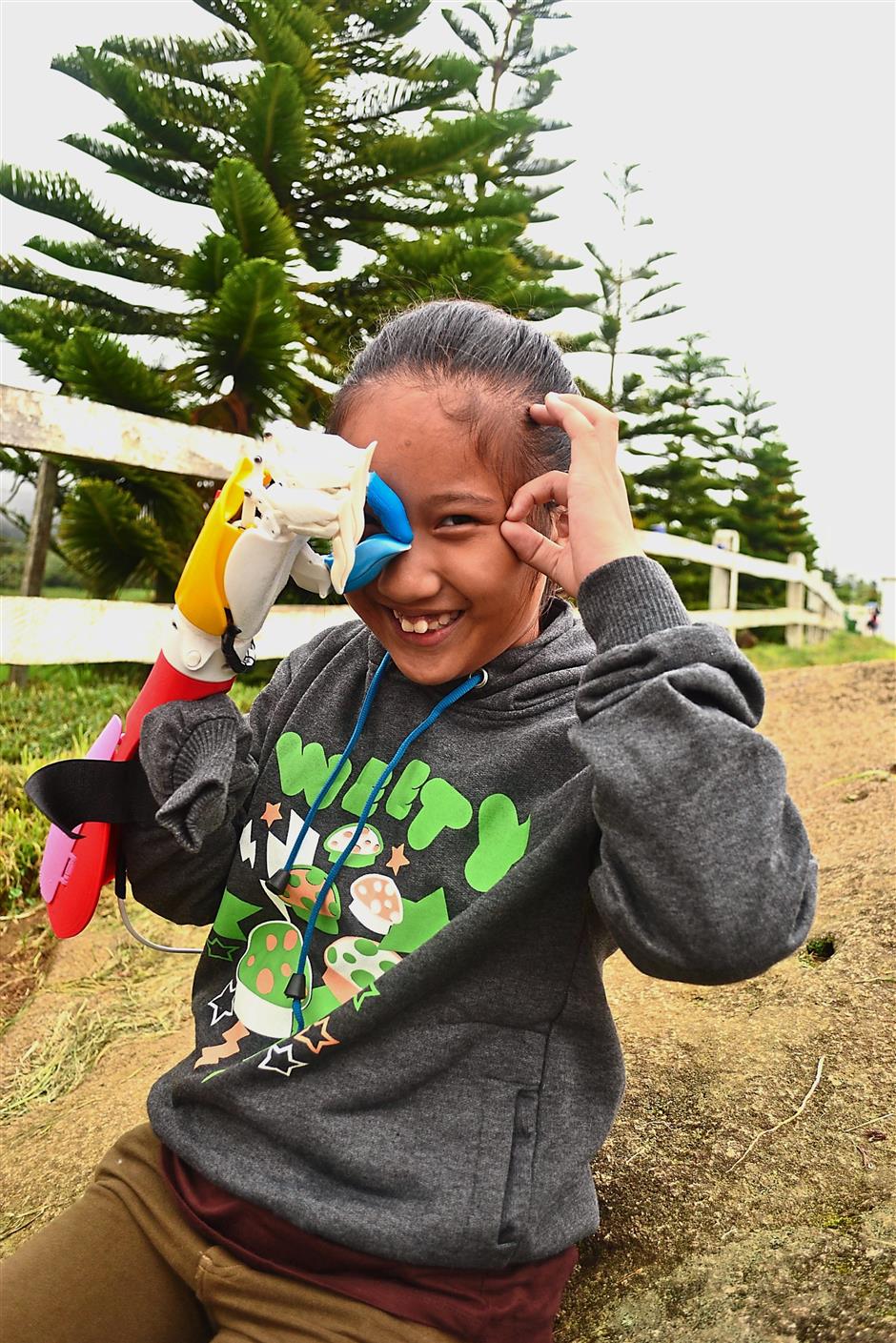
“There was this case where a boy didn’t want to go to school anymore because the other kids teased him. But once he got a 3D printed arm with bright colours that looks like Iron Man’s, the kids stopped bullying and even made friends with him,” he recalls.
Likewise, KL-based orthopaedist Datuk Dr Nick Boden has also encountered such situations.
“A child with deformity is going to be bullied and teased at school simply because kids tend to be frank, often cruel.
“As we can customise the hands to be of different colours or even make it look like an Autobot’s or superhero’s hand, these kids suddenly become the ‘cool’ kids at school and as a result their confidence increases,” he says.
However, creating artificial limbs for young children comes with the same problem as buying clothes for them – they outgrow their prosthetics quickly.
But the group is happy to replace the limbs because usually only the arm segment needs to be sized up while the more complex and expensive palm and finger parts can be reused.
For Dr Boden, the joy in the eyes of the kids and their families is a reward in itself.
“I would say the look on the faces of the kids is the best part of the job. The most memorable case was when our recipient in Nepal was videoed using her new robotic arm,” he says.
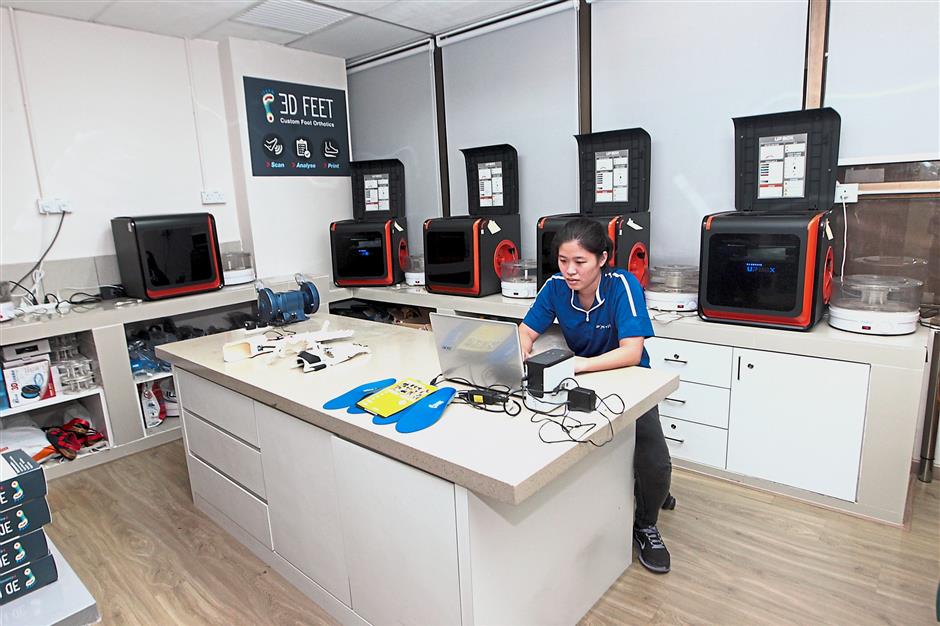
The South African doctor set up Lend A Hand as a corporate social responsibility initiative for his firm NLB Consulting Sdn Bhd, which primarily uses 3D printing to produce affordable orthopaedic insoles locally.
Dr Boden reveals that by printing the components in his Taman Desa lab instead of importing them from Australia like most other orthopaedists, he is able to cut the price of insoles from over RM2,000 to under RM1,000.
Likewise, the prosthetic arms are printed here as they cost less, usually between US$50 and US$100 (RM190 and RM380). Also, they are mechanical so they are much easier to make and are not as pricey as high-end electronic prosthetics that have miniature motors.
Both Dr Boden and Sujana channel their companies’ profits into the effort, though they also accept donations from corporate and non-government organisations.
Sujana’s secondary reason for printing and donating prosthetics is because he is researching how to drive down the price of electronic prosthetics.
He is working with German micro-drive systems supplier Faulhaber Ltd to create affordable electronic arms under RM10,000 as the market price is between US$20,000 and US$30,000 (RM77,800 and 116,700).
“Based on a survey we did with Socso (Social Security Organisation), it only provides aid of up to about RM10,000, so prosthetics need to be priced at that level or workers wouldn’t be able to claim for it when they’re injured,” he says.
For Boden, creating prosthetic limbs is part of a holistic environmental effort. He says Lend A Hand has two goals: to assist children who are missing an arm or hand by printing them prosthetics while also educating them and their community about the importance of recycling.
Instead of just being gifted the limb, the child and his or her community would have to make a symbolic payment by collecting 3kg of plastic, or about 200 plastic bottles.
“It’s an arbitrary amount. Back in South Africa, I found that people don’t appreciate what they don’t work for, so we make the kids do something to earn it,” he says.
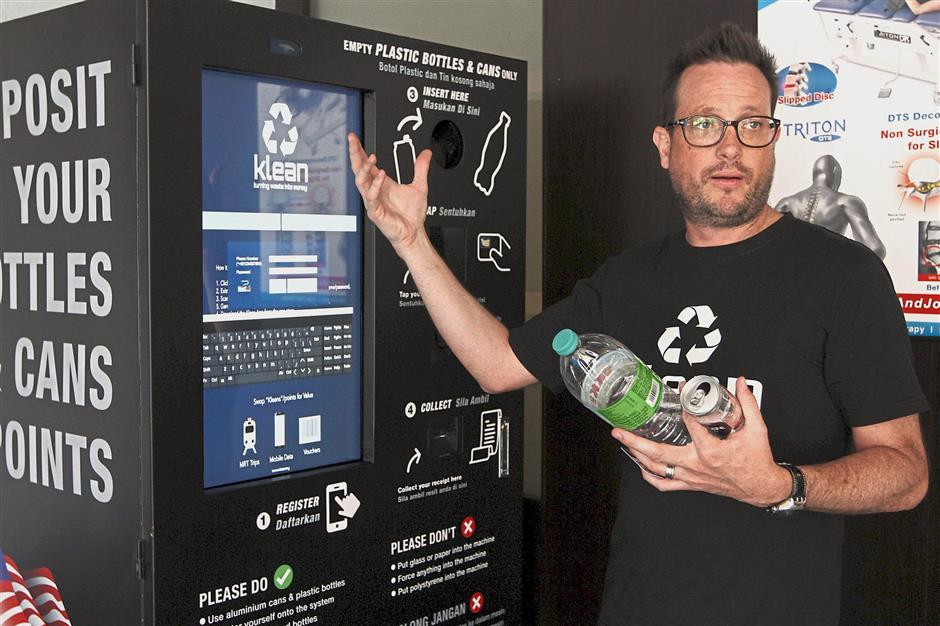
Boden adds that the exercise also encourages the community members to clean up the area around them, including cleaning the nearby drains or removing plastics from unsorted garbage.
Plastic drinking bottles can usually be recycled to make PET – polyethylene terephthalate, a thermoplastic polymer resin – which is used in a variety of plastic products and also a component of the plastic filaments used for 3D printing.
Building on the idea, Boden is researching how to create his own plastic filaments using the plastics he collects in the hopes of reducing the carbon footprint of his operation.
Asked what challenges Lend A Hand faces, the doctor reveals that it has a surprising lack of requests for aid. Since setting it up in 2017, only eight people have requested for a prosthetic limb.
“We reach out through our healthcare networks but maybe people are shy to come forward or suggest someone,” he says.
So if you know someone who needs a prosthetic limb or wants to donate to the project, visit www.lend-a-hand.org/contact or reach out to Sujana at sujana.rejab@gmail.com.
Already a subscriber? Log in
Get 20% OFF The Star Digital Access
Cancel anytime. Ad-free. Unlimited access with perks.