



JUST as Malaysia’s digital transformation gathered momentum, a global crisis reshaped the landscape.
The Covid-19 pandemic disrupted daily life as movement restrictions took effect. Schools and workplaces closed, travel ground to a halt and businesses faced prolonged uncertainty.
Yet as physical activity slowed, digital engagement surged.
Work shifted online, learning moved onto digital platforms and commerce accelerated through e-commerce channels. Changes that might otherwise have taken years unfolded within months.
Digital tools became economic and social lifelines. Businesses reached customers through digital platforms, payments moved seamlessly across networks and institutions relied on technology to maintain continuity.
Earlier investments in infrastructure and capability proved their value. Foundations built over more than two decades, shaped in part through MDEC’s role in developing Malaysia’s digital ecosystem, enabled businesses and institutions to respond with confidence.
The pandemic did not start Malaysia’s digital journey, but merely accelerated a transition already underway.

Adoption widened, usage deepened and digital transformation moved from gradual progress to rapid expansion.
The national conversation shifted. The question was no longer whether Malaysia should digitalise, but how quickly digital capability could be scaled to support recovery and long-term competitiveness.
Building on this momentum, Malaysia’s digital agenda has continued to evolve, with the Malaysia Digital 2030 (MD2030) national action plan setting the next phase of the nation’s digital ambitions as it accelerates towards becoming an AI nation.
From adoption to integration
The pandemic changed the role digital capability played in Malaysia’s development.
What began as a crisis response evolved into lasting structural change.
Even after restrictions eased, digital platforms remained central to communication, transactions and access to services.
Hybrid work became more common and digital collaboration became embedded in business operations.
Businesses moved beyond temporary adjustments. Digital systems became part of everyday operations while online engagement became essential for reaching customers and markets.
Connectivity reshaped how organisations functioned.
MDEC’s long-standing focus on industry capability and digital readiness provided an important foundation during this transition, enabling businesses and institutions to adapt to increasingly digital operating environments.
The public sector underwent a similar transformation as digital channels expanded service access and strengthened administrative resilience.
Digital capability was no longer viewed simply as modernisation. It had become part of Malaysia’s economic and operational infrastructure.
Redefining Malaysia’s digital economy
With the digital economy firmly established, attention turned to positioning Malaysia for its next phase of growth.
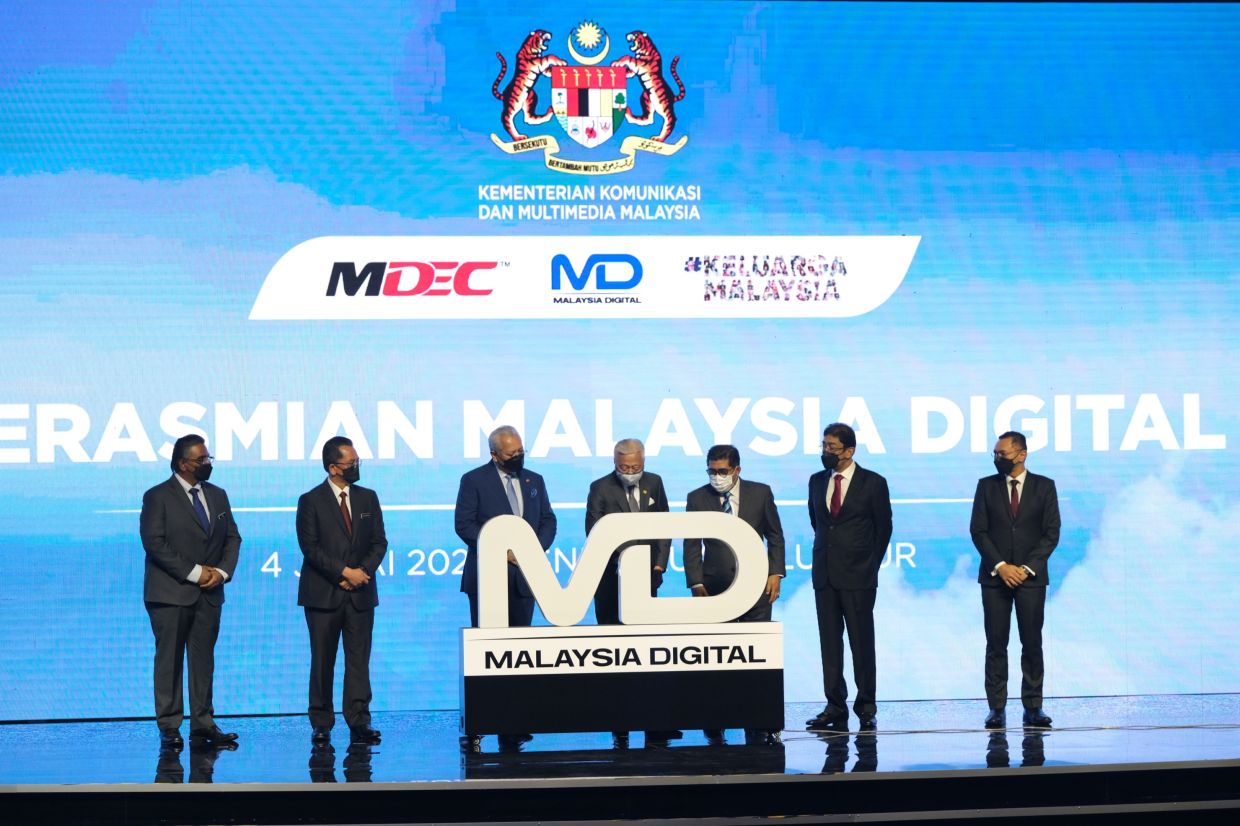
In 2022, Malaysia Digital replaced MSC Malaysia, signalling a new phase of digital development. The framework reflected changing technologies, evolving business models and shifting global investment patterns.
Together with initiatives such as the Digital Investment Office (DIO), the framework strengthened Malaysia’s ability to attract high-value digital investments and support strategic technology sectors.
The focus expanded beyond designated technology zones towards nationwide participation. MDEC led the implementation of this framework, extending opportunities across the wider digital economy.
The priority had shifted from participation to economic impact.
Investment attraction became a major focus. Digital investments grew as global technology companies expanded regional operations, reinforcing Malaysia’s position as a competitive destination for digital activities.
In 2024, approved digital investments reached a record RM163.6bil, creating more than 48,000 high-value digital jobs, with data centres, cloud infrastructure, IT and Global Business Services (GBS) emerging as key growth drivers.
Growing demand for artificial intelligence (AI) and data-driven technologies also accelerated investment in data centres and advanced computing infrastructure.
Institutional changes reinforced this direction, including the establishment of the Digital Ministry in 2023. By 2025, the digital economy contributed approximately RM451bil, or about a quarter of Malaysia’s gross domestic product (GDP), reflecting its growing importance to the national economy.
Alongside investment attraction, MDEC continued developing Malaysian technology companies while initiatives such as #SayaDigital advanced digital literacy and inclusion, complementing efforts to expand digital adoption and strengthen the pipeline of digital talent and entrepreneurs.
Malaysian companies expanded their market reach, workforce initiatives prepared talent for higher-value digital roles, and start-ups benefited from stronger ecosystem connections between industry, investors and technology partners.
Expanding digital frontiers
As the ecosystem matured, attention turned towards higher-value opportunities.
AI emerged as the next major frontier. Businesses began exploring automation, predictive analytics and AI-driven systems to improve productivity, while generative AI opened new possibilities in content creation, software development and customer engagement.
Growth in data infrastructure followed. Investment in data centres and cloud capacity strengthened Malaysia’s role in regional digital supply chains while supporting rising demand from global technology companies.
MDEC continued supporting industry participation in emerging fields, helping Malaysian companies adapt to rapidly evolving technologies and preparing the ecosystem for the next stage of digital development.
As AI adoption gained momentum, digital trust became increasingly important. Cybersecurity, data governance and responsible technology use emerged as critical foundations for sustainable growth.
Digital trade also expanded as cross-border services created new opportunities for Malaysian companies, while creative digital sectors such as animation, gaming and digital media, demonstrated Malaysia’s ability to compete globally.
The digital economy had moved up the value chain. The next challenge would be converting this progress into sustained competitive advantage.
Preparing for the next digital chapter
Five years of acceleration produced lasting change.
Digital capability is now a critical component of Malaysia’s economic foundation.
Businesses operate with stronger technological integration. Consumers transact with greater digital confidence. Institutions function with deeper digital support.
Malaysia enters the next phase from a stronger position, supported by record digital investments, broader infrastructure, deeper talent, wider industry participation and clearer policy direction.
The first 25 years built the foundation. The last five years accelerated Malaysia’s digital transformation.
The next chapter will determine how effectively Malaysia can translate digital capability into competitiveness, innovation and long-term economic resilience.

