

FOR Peter Lee, something as simple as paying bills or filing taxes online often turns into an exercise in frustration.
“I always forget my passwords. Every time I need to use a government website, I have to reset it again. It’s such a hassle,” the retiree in his sixties admits with a laugh.
He’s not alone. It’s a familiar annoyance for many Malaysians—juggling multiple logins, security questions, and forgotten passwords just to get basic tasks done. But that could soon change.
A month after Budget 2026 was tabled, preparations are under way to expand MyDigital ID to 15 million users, providing Malaysians with a single, secure digital identity for government services.
The initiative, announced by Prime Minister Datuk Seri Anwar Ibrahim, alongside the nationwide rollout of Kiosk MADANI, forms part of the government’s push to make public services more efficient, transparent, and inclusive.
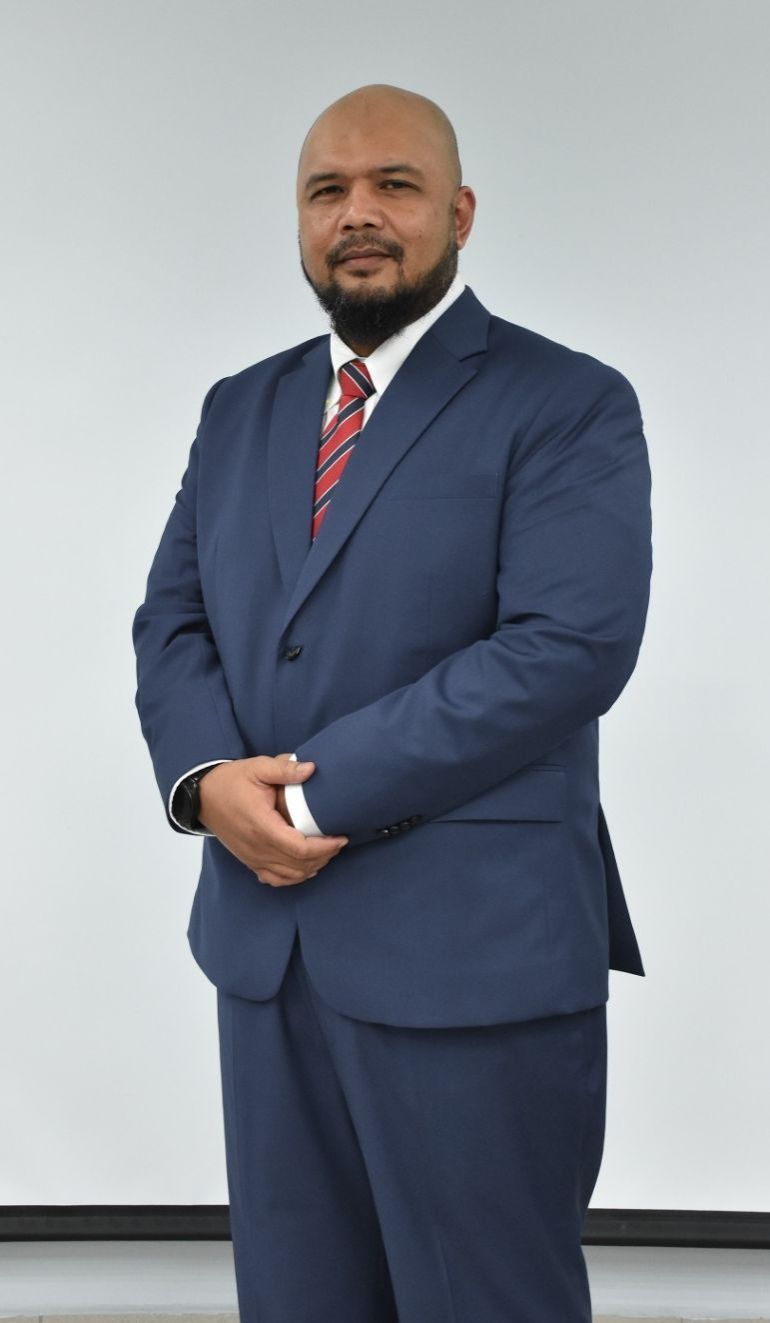
Universiti Malaya Department of Computer Systems and Technology Professor Ainuddin Wahid Abdul Wahab says these initiatives mark a major step toward simplifying how citizens interact with the government.
“A secure MyDigital ID acts like a digital IC or passport. Instead of having to show your ID and fill out the same forms at different counters, you can prove your identity online. It’s like having one trusted key that unlocks all government doors, reducing paperwork, errors and waiting time,” he explains.
He adds that the system will make public services truly citizen-centric. This means it is conveniently available anytime, anywhere, and on any device.
Beyond convenience, MyDigital ID also aims to strengthen public trust in government systems by ensuring data is secure and used responsibly.
“Trust is built on security and control. People trust online banking because they know it’s protected by strong passwords and one-time pins.
“MyDigital ID does the same for government services. When citizens see that their data is protected and they have control over its use, their confidence in digital systems grows.”
The platform is expected to streamline services such as tax filing, vehicle registration, and access to social assistance through a single digital identity.
While the digital shift is accelerating, ensuring that everyone benefits remains a key concern. To bridge this gap, the Kiosk MADANI programme will provide physical access points for digital services, especially in rural and underserved communities.
“The physical-digital hybrid model is smart because it enables those without internet access or devices to still access digital services. These kiosks act like digital gateways or ATMs for government services.
“Citizens can walk up to a physical machine in their local community and access the same digital services. It’s the perfect bridge, bringing the benefits of digitalisation to those who would otherwise be left behind.”
Digitalisation also promises long-term savings and greater accountability. With fewer manual processes, the government expects to reduce administrative costs while increasing transparency.
“Digital services save time and money by eliminating paperwork and manual work. This investment will lead to significant cost savings, greater transparency and improved inclusion by providing 24/7 access to everyone, including those in remote areas or with disabilities,” says Prof Ainuddin Wahid.
These initiatives could help position Malaysia as a regional leader in digital governance and innovation.
“By investing early in secure IDs, digital kiosks and online services, Malaysia can establish itself as a strong regional leader in digital governance. It’s like building a super-fast highway and ensuring everyone has a ticket or transport to use it.
“This commitment to inclusive innovation makes Malaysia highly competitive, similar to how Estonia is known for its e-government leadership in Europe,” he notes.
As Malaysia moves from planning to implementation, citizens like Lee are hopeful that the days of juggling multiple passwords and forms will soon be over—replaced by one secure digital key that opens the door to simpler, faster, and more inclusive public services.
