
MORE and more visitors are discovering Sarawak – a destination where diversity is lived every day through vibrant cultures, ancient rainforests and timeless flavours.
Every journey here feels enriching and welcoming, with the warmth of Bornean hospitality complemented by ongoing efforts to make Sarawak accessible and inclusive to a wider range of travellers.
At the heart of Sarawak lies cultural harmony, shaped by 34 ethnic communities. From Iban longhouses along winding rivers to the Orang Ulu’s intricate beadwork, each story reflects centuries of coexistence and resilience.
Through curated cultural tours and packages, travellers are invited to experience this heritage in meaningful ways, guided by hosts who bring personal stories and traditions to life.
Kuching’s Borneo Cultures Museum, the largest in Malaysia, presents heritage through a modern lens, while the Sarawak Cultural Village offers immersive encounters that allow visitors to see, hear and feel traditions up close.

Whether exploring world-class museum exhibitions or engaging in hands-on showcases at the village, culture in Sarawak is not staged, it is lived, shared and continually evolving.
From culture, the journey naturally flows into adventure. Sarawak’s landscapes offer everything from gentle river cruises to exhilarating jungle treks.
Inclusive packages are being developed to meet the needs of different travellers, from diverse dining options built into itineraries to guidance from specially trained tour leaders.
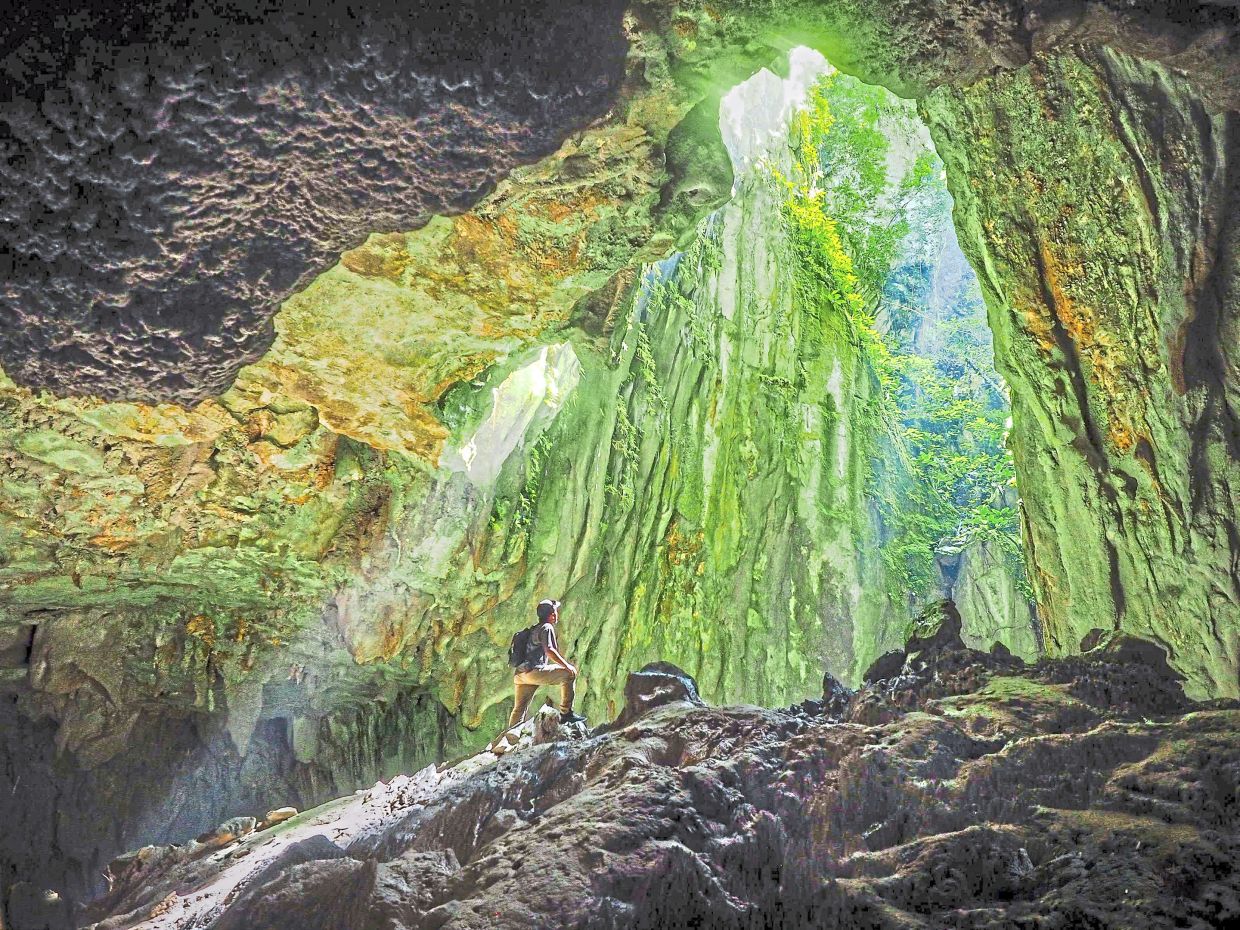
Whether trekking through Bako National Park or exploring the Unesco-listed caves of Mulu and Niah, every adventure here is authentic, memorable and reassuring.
Adventure in the Land of Hornbills often leads to encounters with nature at its most pristine.
The rainforests of Mulu inspire awe with their towering limestone pinnacles, while boat rides through Kuching Wetlands at dusk reveal fireflies glowing like lanterns along mangrove banks.
The Sarawak Delta Geopark, recognised as an aspiring Unesco Global Geopark, links geological wonders with cultural narratives, showcasing the deep relationship between people and nature.
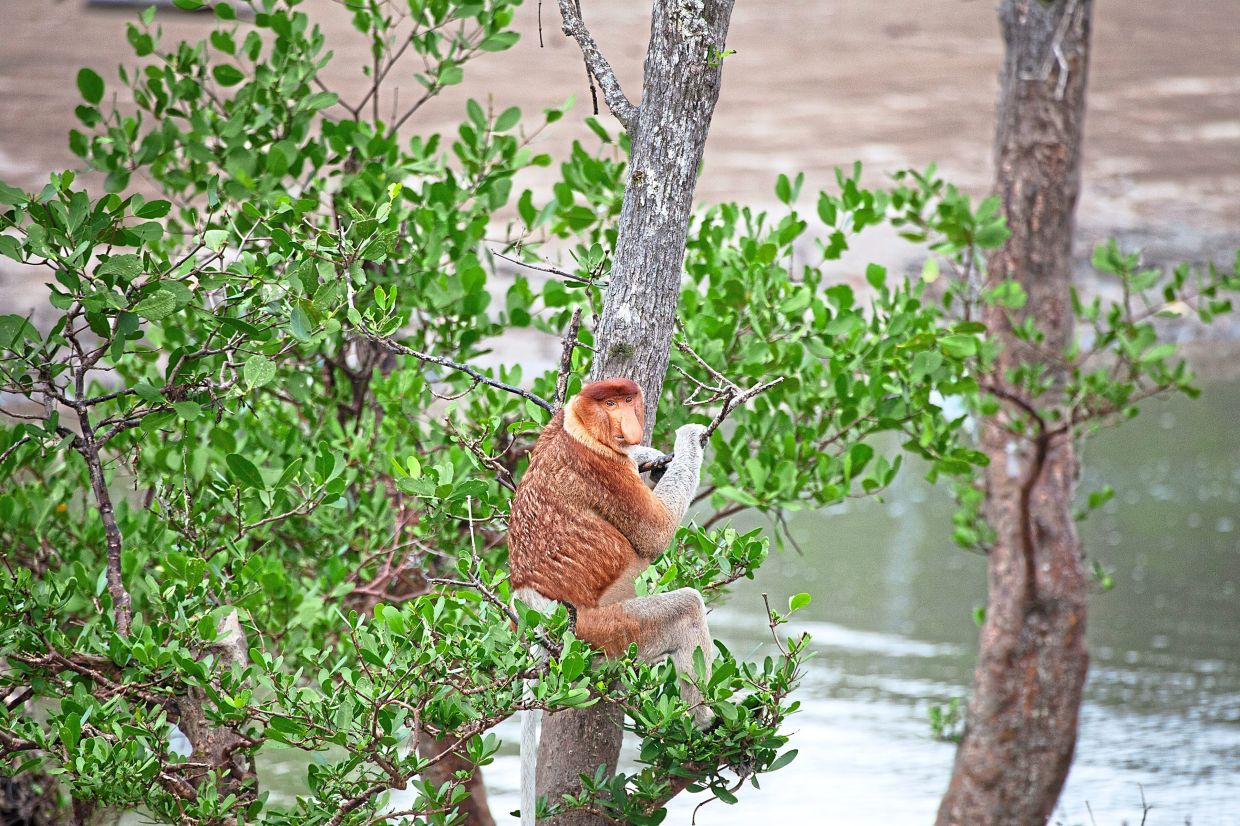
Conservation here is a responsibility carried with pride, from orangutan rehabilitation at Semenggoh to turtle protection at Talang-Satang, Sarawak’s stewardship ensures that biodiversity thrives for generations to come.
If culture is the soul of Sarawak, then food is its heartbeat – and nature its pantry.
Declared an Unesco Creative City of Gastronomy, Kuching is a feast of flavours where tradition and innovation meet.
Signature dishes, such as Sarawak laksa, mee kolok and ayam pansuh (bamboo chicken), continue to tell stories of heritage, while contemporary dining venues reimagine these recipes for new audiences.
Increasingly, such experiences are offered through inclusive travel packages that cater to diverse preferences – from families and young explorers to seasoned travellers and niche markets – ensuring everyone can savour Sarawak with confidence.
Beyond urban centres, community-based dining experiences transform meals into encounters of generosity and storytelling.
In longhouses and village kitchens, guests are welcomed as family, sharing food prepared from homegrown ingredients and age-old recipes.
Here, gastronomy becomes more than sustenance – it is an invitation to understand culture through taste, and to see hospitality as a way of life.
From food, the rhythm continues into Sarawak’s many festivals. These celebrations embody unity and a global outlook.
The Rainforest World Music Festival (RWMF), held annually at Sarawak Cultural Village, brings together international musicians and audiences in a celebration of rhythm and diversity, supported by facilities and food options that make it accessible to all.
Local celebrations, from Hari Raya and Gawai Dayak open houses to the Kuching Waterfront Festival and Sibu’s Borneo Cultural Festival, extend a warm invitation to share in generosity, harmony and joy.
These gatherings are more than events – they are reflections of Sarawak’s living identity.
In this spirit of inclusivity, Sarawak also recognises emerging global opportunities.
The Muslim-friendly travel market is one of the fastest-growing segments, projected to exceed 230 million travellers by 2028.
For Sarawak, this represents one of many opportunities to grow inclusively, ensuring that new travel packages, diverse dining and thoughtfully designed experiences meet the expectations of today’s global travellers.
These efforts are woven into the state’s five signature pillars – Culture, Adventure, Nature, Food and Festivals – ensuring inclusivity grows hand in hand with authenticity.
Looking ahead, initiatives such as the Kuching Umrah Gateway reflect Sarawak’s openness to new ideas that connect different types of journeys.
It signals a forward-looking approach to create opportunities that blend travel, culture and inclusivity in ways that resonate with future visitors.
Sarawak’s vision is clear: to grow as a destination where every traveller finds a sense of belonging.
Inclusivity is not about catering to one group alone, but about creating an environment where cultural immersion, eco-tourism, gastronomy and global connectivity all flourish together.
Hospitality in Sarawak is more than an industry – it is a value rooted in community.
Every encounter, from a smile in a bustling market to a shared meal in a remote village, reflects Sarawak’s spirit of connection and care.
For travellers seeking journeys that are meaningful and memorable, Sarawak is more than a destination. It serves as a reminder that the world is most beautiful when it celebrates both diversity and unity.