I WAS thrilled to hear the news: Formula 1 is officially coming back to Malaysia (“Sepang’s return sparks wave of nostalgia across Formula 1”, The Star, July 27; online at bit.ly/4b9hioY).
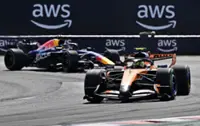
As a fan who grew up watching the races, the thought of hearing those V6 turbo-hybrid engines roar through Sepang once again brings back incredible memories – and this time, it’s not just nostalgia. It’s reality.
When Malaysia stepped away from hosting the Grand Prix after 2017, the decision made sense.
Hosting fees were skyrocketing into the hundreds of millions of ringgit, ticket sales were dipping and local interest had cooled down.
With Singapore’s flashy night race capturing the regional spotlight, Malaysia wisely redirected its sporting budget towards broader national priorities and grassroots sports.
However, the world of F1 has evolved dramatically since we left. Driven by social media, hit streaming series and sharper global marketing, F1 has transformed from a niche motorsport into a massive, mainstream entertainment phenomenon. It now draws a younger, far broader audience – making Malaysia’s return to the calendar a smart, high-impact move for the country.
We need only look at how host nations thrive under the modern F1 umbrella. In Australia, the Melbourne Grand Prix injects hundreds of millions of dollars into the local economy each year with filled hotels, packed restaurants and crowded retail strips.
Meanwhile, destinations like Las Vegas in the United States and Azerbaijan’s Baku leverage their races as premier branding platforms to drive tourism and unlock fresh foreign investment.
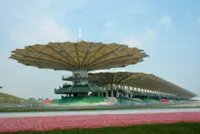
Malaysia is stepping back into this arena with a distinct advantage: the Sepang International Circuit, Selangor. It remains a world-class, purpose-built track that drivers genuinely love for its technical layout, sweeping high-speed turns and unpredictable tropical weather.
By bringing F1 back to Sepang, Malaysia automatically invigorates tourism, creates high-value jobs, supports local business supply chains and reclaims its place in the global spotlight – all without needing to build a new venue from scratch.
The visceral pull of motorsport is captured perfectly in the movie F1, in which Brad Pitt’s character, Sonny Hayes, describes what it feels like behind the wheel: “... There’s this moment in the car where everything goes quiet, my heartbeat slows, it’s peaceful, and I can see everything, and no one, no one can touch me. And I’m chasing that moment every time I get in the car. ... ‘Cause in that moment, I’m flying.”
That exact rush is what Sepang delivered for nearly two decades.
Now that the engines are set to roar here once again, bringing F1 back isn’t just about staging a world-class spectacle – it’s about letting Malaysia fly on the global stage once more.
R. MURALI RAJARATENAM
Bangsar Park, Kuala Lumpur
Already a subscriber? Log in
Get 20% OFF The Star Digital Access
Cancel anytime. Ad-free. Unlimited access with perks.