Medicine security at risk due to West Asia conflict 


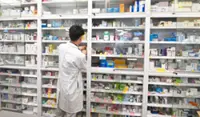
FOR Malaysia, the crisis in the Strait of Hormuz is not just an energy crisis; it is also a problem of access to medicine.

Malaysia is a net importer of pharmaceuticals. According to the Malaysian Investment Development Authority’s (Mida) pharmaceutical industry profile, imports rose from RM7.76bil in 2019 to RM11.30bil in 2023.

Thirty-nine percent of the medicines listed on the National Essential Medicine List (NEML) are not produced in Malaysia. In 2022, imports of essential pharmaceuticals reached RM779mil with more than RM400mil spent on biologics and biosimilars.

The Health Ministry’s National Generic Medicines Framework highlights that generic prescribing and strategic purchasing are policy goals intended to ensure stable prices and supply of medicines. More than 90 pharmaceutical companies in Malaysia can produce generics in many dosage forms, but they still cannot make all the essential products needed.

The manufacturers operate on thin margins, rely on high-volume procurement and are less able to absorb sudden increases in freight, insurance, storage, fuel and financing costs.

Around one-fifth of global oil and liquefied natural gas supplies normally move through the Strait, and current attacks or threats of armed conflict have effectively choked off most shipping there. When shipping becomes dangerous and expensive, low-margin products become the first casualties.

Generic medicines are often the most exposed to supply shocks such as during the Covid-19 pandemic. A patented or high-priced speciality product may still move because buyers will pay almost any transport premium. But a cheap antihypertensive, antibiotic, diabetes tablet or painkiller will likely be stuck.

That is how shortages begin in the real world – with a series of small commercial behind-the-scenes decisions that make certain low-margin lines uneconomical to ship quickly.

Even when Malaysia sources finished products from India, Europe or other parts of Asia, the Hormuz conflict still drives up the costs of moving goods.

Fuel prices rise. Marine war-risk premiums soar. Shipping schedules become less reliable. Ports in the Persian Gulf and nearby logistics hubs become congested or disrupted. Airspace are closed due to the threat of missile and drone attacks. Air freight, often used for urgent and temperature-sensitive health products, becomes more expensive when jet fuel spikes. All of this is happening now.

There is some good news. The Pharmaceutical Services Programme reported that 99.24% of public health facilities achieved the target of holding one to three months of medicine stock in 2024. However, if the conflict around the Persian Gulf drags on, energy prices will remain elevated, insurers will continue to price in war risk, and if suppliers or countries begin rationing or banning the export of key generic medicines altogether, then inventory discipline alone will not protect Malaysia.

We must start treating medicine security as part of our national health security strategy. The government should also seriously consider establishing a Health Security Agency to lead on these issues. It needs to build strategic stockpiles for essential generics and critical active pharmaceutical ingredients (API).

NEML products that are single-supplier, import-dependent or commercially fragile need to be identified and then ring-fenced to support domestic production incentives. Procurement sources need to be diversified beyond the cheapest bidder, and incentives and rewards should be based on supply reliability.

Malaysia will need to engage in deeper regional cooperation with Asean partners on pooled procurement, emergency stock sharing and manufacturing redundancy.

Malaysia was warned by the Covid-19 pandemic that efficiency without resilience is a dangerous illusion. This time, the intersection of war, energy and trade is making it clear that investments in health security are not just nice to have but are an existential necessity.

AZRUL MOHD KHALIB

Founder and CEO

Galen Centre for Health and Social Policy

Get 20% OFF The Star Digital Access

Monthly Plan

RM 13.90/month

RM 11.12/month

Billed as RM 11.12 for the 1st month, RM 13.90 thereafter.

Best Value

Annual Plan

RM 12.33/month

RM 9.87/month

Billed as RM 118.40 for the 1st year, RM 148 thereafter.

Follow us on our official WhatsApp channel for breaking news alerts and key updates!

Next In Letters

Of long waiting times and missing the next ride
Call for comprehensive study on deaths due to falls from height
Malaysia’s quiet wisdom in an age of active rivalry
Heads-up on the enforcement of new cable colour code for electrical wiring
Why cash should remain a payment option�
Building resilient digital ecosystems
Resolving the land status of Tamil schools in Perak
How Malaysia is advancing climate action, energy security, and resilience
Philippines school shooting: When warning signs become tragedy
Safer in nature with better trail management

Others Also Read