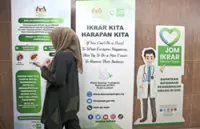
IN recent months, there has been much discussion about organ donation in Malaysia, from the low number of actual donors to the slow-growing number of donor pledges, and the high rate of refusals by next of kin when faced with the decision to donate.
While it may appear that donor pledges can easily be translated into actual donations, the reality is more complex. In deceased organ donation, many steps must be completed before donation can take place. Whether a country practices an opt-in or opt-out system, the process of deceased organ donation is highly challenging due to its technical, medical, and logistical requirements. In that process one group rarely gets mentioned: the donor coordinators, the professionals who make the donation process possible.
In deceased organ donation, the identification and recognition of potential donors is the first and most critical step, and where the coordinators’ expertise comes in. They are specially trained to manage the complex and delicate process of organ donation.
Beyond the clinical challenges, they also face the emotional burden of supporting grieving families and initiating sensitive conversations about donation, often at the most difficult moments of those families’ lives.
How these conversations are handled can make all the difference. Clear, compassionate communication can turn a moment of grief into one of hope. However, our national refusal rate for organ donation remains high, between 70% and 80%.
In many countries, donor coordinator is a recognised, certified, and empowered profession. These people are the backbone of the hospital donation system as they form a bridge between medical teams and grieving families, they are the driving force behind every successful donation.
It is time the Health Ministry formally acknowledges and empowers this vital role. If we are serious about increasing organ donation rates, we must begin by strengthening and supporting the people who make it happen, the donor coordinators.
There are several ways to empower donor coordinators, among others by granting them greater authority in managing potential donors, providing opportunities for career growth through educational pathways at international institutions, recognising their professional expertise, and ensuring appropriate remuneration for their specialised roles.
DR HASDY HARON
President
Malaysian Transplant Coordinator Society
Already a subscriber? Log in
Get 20% OFF The Star Digital Access
Cancel anytime. Ad-free. Unlimited access with perks.