OF late, the media has been abuzz with reports about “Disease X”, including “Disease X: Health agencies worldwide on guard for hypothetical next pandemic” (The Star, Sept 26).
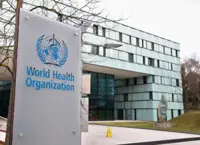
Disease X is a term adopted by the World Health Organisation (WHO) in February 2018 to represent a hypothetical, unknown pathogen that could cause a future epidemic. It has been said that Covid-19 met the standards to be considered as the first Disease X.
On Oct 5, Health director-general Datuk Dr Muhammad Radzi Abu Hassan sought to ease public anxiety over Disease X by saying: “Although the possibility of the occurrence of Disease X should be noted, excessive anxiety should be avoided. People are always advised to follow health guidelines, adopt good health practices and always get the latest information about the development of this disease.”
And rightly so, as WHO emphasises the importance of a transparent scientific process in researching the origin of new diseases. On this, experts advocate the development of vaccines, early detection technology and preparedness of healthcare systems.
Based on our experience with Covid-19, the development of vaccines, global marketing, mandatory administration policies and planning for cross-border restrictions will be easier.
But the fundamental question that scientists, medical doctors and policymakers must ask is: “Will the threat of Disease X end?”
According to Dr Muhammad Radzi, Disease X may stem from various sources, including zoonotic transmission, which means infection from animals to humans.
However, we must also continue to pay attention to diseases caused by bacterial infections, which did not meet their postulated end with the discovery of antibiotics. Injudicious use of antibiotics has led to antibiotic resistance as bacteria changed in ways that made these medicines ineffective. In fact, antibiotic resistance was recognised soon after penicillin was introduced.
Taking a lesson from this, we must be aware of the potential dangers of vaccine overuse. In Disease X, the enemies are viruses, which are more precarious than bacteria.
If deforestation, climate change and urbanisation are to be blamed for the emergence of Disease X, what are we doing to ensure that the ecosystem remains healthy?
Despite the mega structures we already have, we are still racing to build the world’s tallest buildings at the expense of the natural ecosystem. Many of those structures are either underused or are meant for luxury rather than necessity.
Industrialisation and urbanisation are synonymous with the progress of civilisation now, at great cost to the environment. Furthermore, we expect academia and research institutes to come up with proposals for industrial outputs.
On the individual level, we tend to ignore our role in warding off diseases by maintaining a healthy lifestyle.
With medical biotechnology, we are indeed capable of producing as many vaccines as we want. But this is not the ultimate solution to escape from the deadly effects of emerging pathogens. Dependency on vaccines must be controlled in the same way we are now controlling antibiotic usage. Let’s commit to maintaining a sustainable ecosystem instead, and the sooner the better.
PROF DR MOHAMMAD TARIQUR RAHMAN
Associate Dean (Continuing Education)
Faculty of Dentistry
Universiti Malaya
Already a subscriber? Log in
Get 20% OFF The Star Digital Access
Cancel anytime. Ad-free. Unlimited access with perks.