AMBULANCE drivers perform a very important service as the country is facing a health crisis, and it is absolutely essential for them to discharge their tasks safely for everyone’s sake.
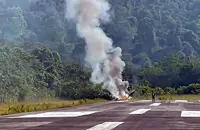
The recent accident involving an ambulance rushing to Hospital Universiti Kebangsaan (HUKM) once again brings to light the
issue of occupational safety and health for all ambulance drivers and attendants when they are on duty ferrying the sick to hospitals. Road accidents involving ambulances are reported from time to time. Such accidents must be avoided.
It has been reported that an average of 129 crashes involving ambulances happen every year nationwide. That is far too many.
These accidents have also brought into question the issue of proper maintenance of ambulances. Are these vehicles regularly checked to ensure that they are not only roadworthy but are also safe at all times for use during emergencies?
Are the drivers given frequent refresher courses to ensure they are competent to drive ambulances safely? Ambulance drivers should be given specialised training on how to perceive and handle hazards on the roads to prevent accidents from occurring.
The relevant authorities should draw up a special training module for ambulance drivers and their attendants to help avoid accidents. With traffic conditions becoming increasingly challenging, such training is vital to prevent unnecessary deaths or injuries.
They should also be entitled to a special salary scale in view of the critical nature of their work, which is to ensure that the sick and emergency cases are brought to the hospitals speedily but safely.
Another issue of concern is speed; ambulances should not be driven at high speed even with the siren on, as this could pose a danger to the safety of those travelling in them.
Let us prevent double tragedies from happening.
During the movement control order (MCO) period, there would be fewer vehicles on the road, but the driver must still be aware of other factors like road design and slopes, tyre conditions and vehicle dynamics.
The drivers must not be overworked (long hours and high frequency of accepting cases) and end up fatigued. This is definitely an occupational health and safety issue not only for the driver and medical staff in the ambulance but also the patient being transported.
TAN SRI LEE LAM THYE , Chairman Alliance For Safe Community
Already a subscriber? Log in
Get 20% OFF The Star Digital Access
Cancel anytime. Ad-free. Unlimited access with perks.