


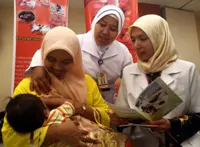
Breast intentions: Is breast milk really nature's best birth control?


Dear Dr G,

I am currently 30 weeks pregnant with my first baby, and as my due date approaches, everyone seems to have an opinion on breastfeeding. My mother insists that breast milk is the greatest gift a mother can give her child, while friends tell me modern formula is just as good.

Adding to the noise, I have been hearing mixed advice about whether breastfeeding can prevent pregnancy. My husband and I have decided that one child is enough for us; we want to focus all our attention on our first baby and are not planning for more. However, some relatives claim that if I breastfeed exclusively, I will not get pregnant and do not need contraception for the first few months.

I would love to put you on the spot, Dr G, to get the honest truth. How effective is breastfeeding as a natural contraceptive? Under what exact circumstances does it work, and when does it fail? If we definitely do not want another pregnancy, should we still use reliable birth control?

I would also love to know more about the real benefits of breastfeeding. Apart from basic nutrition, does it genuinely boost a baby's immunity or intelligence? Are the claims true that it helps mothers lose weight and lowers the risk of certain cancers? What does the science say? Finally, if I do decide to breastfeed, how long should I continue to achieve the maximum health benefits for both myself and my baby?

Thank you for helping expectant mothers like me make informed, evidence-based decisions during this exciting journey.

Yours sincerely,

Breastfeeding Brenda


Every year, World Breastfeeding Week, observed from August 1 to 7, reminds us that breastfeeding is far more than simply feeding a baby. It represents one of the most effective public health interventions available, benefiting infants, mothers, families, and society as a whole. Breast milk is often described as "liquid gold" for good reason. It contains an ideal balance of nutrients that evolves alongside the baby’s changing needs. More importantly, it provides antibodies, immune cells, and bioactive compounds that formula milk simply cannot replicate. Research also suggests breastfeeding is associated with a lower risk of childhood obesity, type 2 diabetes, and certain allergic conditions later in life.

Although many parents ask whether breastfeeding makes babies smarter, the answer is nuanced. Several studies have demonstrated modest improvements in cognitive development among breastfed children, though genetics, parental education, home environment, and early childhood stimulation also play major roles. Breastfeeding should be viewed as one contributor to healthy brain development rather than a guarantee of higher intelligence.

The benefits extend well beyond the baby. Mothers who breastfeed experience faster uterine contraction after delivery, which reduces postpartum bleeding. Exclusive breastfeeding also increases daily energy expenditure, helping many women gradually return to their pre-pregnancy weight, though healthy eating and physical activity remain essential. Long-term breastfeeding has been consistently associated with lower risks of breast and ovarian cancers. Emerging evidence also points to reduced risks of type 2 diabetes, hypertension, and cardiovascular disease later in life, with every month of breastfeeding contributing incrementally to these health advantages.

One fascinating aspect of breastfeeding is its effect on fertility. Frequent suckling suppresses the hormones responsible for ovulation, delaying the return of menstrual cycles after childbirth. This forms the basis of the Lactational Amenorrhea Method (LAM), a recognised natural contraceptive method. However, breastfeeding is not automatically a reliable birth control option. LAM is only considered highly effective—providing over 98% protection—when three specific conditions are met: the baby is under six months old, the mother's menstrual period has not returned, and the baby is exclusively breastfed on demand day and night. If any of these conditions are missing, relying solely on breastfeeding carries significant risk because ovulation can occur before the first postpartum period.

This distinction is particularly vital for parents who have decided to be "one and done." In such situations, postpartum contraception should be discussed well before delivery. Long-acting reversible contraceptives, including hormonal implants and intrauterine devices (IUDs), are among the most effective choices and can often be inserted shortly after childbirth. Progestin-only pills and injections are also suitable during breastfeeding because they have minimal effect on milk production. Barrier methods such as condoms remain useful while deciding on a longer-term solution. Couples who are absolutely certain that their family is complete may also wish to discuss permanent options, including vasectomy or tubal sterilisation.

The World Health Organisation recommends exclusive breastfeeding for the first six months of life, followed by continued breastfeeding alongside complementary foods for up to two years or longer, as long as mother and child desire. Ultimately, breastfeeding should be viewed not as a rigid obligation, but as an empowering opportunity. While some mothers breastfeed with ease, others face genuine challenges, including low milk supply, pain, mastitis, or demanding work commitments. These mothers deserve support rather than judgment. Every drop of breast milk offers benefits, but every mother deserves compassionate care regardless of how she chooses to feed her child.

As we celebrate World Breastfeeding Week, the overarching message is that informed choices create healthier families. Breastfeeding provides remarkable health benefits, and under carefully defined conditions, it can temporarily suppress fertility. However, when avoiding pregnancy is a priority, reliable contraception should complement breastfeeding rather than be replaced by it. The motivational speaker Denis Waitley once said, "There is no greater gift you can give your children than the roots of responsibility and the wings of independence." For couples seeking to give their baby the gift of breast milk while securing the freedom from future unplanned pregnancies, Dr G's perspective is straightforward: “When it comes to relying on breastfeeding alone for birth control without meeting strict criteria, you cannot have your cake and eat it too.”


Get 20% OFF The Star Digital Access

Monthly Plan

RM 13.90/month

RM 11.12/month

Billed as RM 11.12 for the 1st month, RM 13.90 thereafter.

Best Value

Annual Plan

RM 12.33/month

RM 9.87/month

Billed as RM 118.40 for the 1st year, RM 148 thereafter.

Follow us on our official WhatsApp channel for breaking news alerts and key updates!

Dr George Lee

Dr George Lee

Dr George Lee is a consultant Urologist and Clinical Associate Professor whose professional interest is in men’s health. This column is a forum to help men debunk the myths and taboos on men’s issues that may be too “hard” to mention. You can send him questions at askdrg@thestar.com.my

Next In Columnists

The misquote epidemic
The age of the political frenemy
One-time F1 stop more than just a nostalgic return to Sepang
Trading reporting on local politics for big business
Another shot at safer roads
Do-or-die battle in Chennah
Don’t let Johor become scam hub
Uneasy pause in US-Iran conflict
How about a PhD, people?
China-Malaysia Air Silk Road: Strengthening regional connectivity

Others Also Read