Malaysia, are we ready to welcome the world?


From ancient cities to multicultural food, islands to mountains, and shopping that rivals the best in Asia, Malaysia has everything going for a traveller. With Visit Malaysia Year 2026 just around the corner, the outlook for our tourism calendar is promising.

But one question seems to linger: are we really prepared to welcome the world?

After over three decades in this industry, I have seen our service culture decline across airlines, hotels, and retail. Ironically, some civil service offices that were once criticised for inefficiency have shown more courtesy and professionalism than parts of our private hospitality sector.

So, what went wrong?

First impressions matter

Let's start with our main gateways: KLIA1 and KLIA2.

These airports represent both the first and last touchpoints for millions of travellers, yet the experience today feels underwhelming. KLIA1, in particular, has limited and repetitive retail options, few dining choices, and prices that feel exorbitant. There's little sense of welcome, and the warmth you would expect from Malaysian hospitality is hard to find. KLIA2, although designed as a budget terminal, often feels more vibrant in terms of retail and choice of eateries. But then, the way some low-cost airline staff handle passengers can come across as unnecessarily harsh, especially when it comes to baggage weight checks. Then there’s the inter-terminal train at KLIA1 that was out of service for nearly two years and passengers had to shuttle between terminals by bus. Once, when I arrived, not only was the train unavailable, but so were the escalators leading to the buses. Travellers had to carry heavy suitcases down the stairs.

"Hello Malaysia, malu lah kita."

When SOPs replace common sense

We have grown into a nation that worships standard operating procedures (SOPs), and the training often reduces service to a script and a checklist, without leaving room for instinct and empathy. I recently visited a well-known coffee chain. My name was called for my order, but I didn’t hear it. The young barista walked the width of the café specifically to inform me that my drink was ready, but she didn't bring the drink with her. She was polite and well-intentioned, but it was a perfect example of how rigid SOPs can override logic.

She was doing exactly what she had been trained to do but not what the situation called for.

We teach our staff to comply, not to connect. The human touch, once naturally a strength of ours, has been replaced with robotic routine.

Today, robots are becoming more human-like. Unfortunately, many of our service industries are training people to behave more robot-like by relying too heavily on rigid SOPs. A better approach is setting clear parameters or boundaries and then giving staff the room to use their own judgment. When people are trusted to respond to situations with their own instincts, the service naturally becomes warmer, more thoughtful, and more human.

Unlikely role models

It might sound strange, but some of the finest service I have had in recent times has been at funeral parlours in the Klang Valley. From foreign security guards to the F&B team and managers, all of them showed professionalism, empathy, and patience. Their calm presence and anticipation of needs were remarkable. They were able to make every visitor feel cared for and respected, even when situations could be emotionally heavy. Kudos to their training team. Whatever the philosophy, it’s working and mainstream hospitality can learn a great deal from it.

“Customer service” is not a department

It’s concerning to see many establishments proudly display a sign that reads “Customer Service Department”, as if service is confined to a specific office.

That sign alone reflects a deep misunderstanding. Service is not a department; it’s a mindset. Every person, from cleaner to manager, represents the brand. When a business isolates “service” to one corner of the building, it sends the message that the rest of the staff don’t need to care.

The root of the problem

Several issues have contributed to this steady decline:

Mechanical training culture – We teach people what to say, not how to feel or think.

Low morale and high turnover – Overworked and underpaid staff rarely perform with pride.

Weak leadership – Managers are too focused on cost control instead of service quality.

Lack of accountability – Poor service is often brushed off as “that’s just how it is.”

Poor feedback systems – Guest complaints rarely lead to real change.

Research by local universities confirm that empathy, responsiveness, and assurance are the top factors influencing guest satisfaction in local hotels. Unfortunately, these are the very areas in which we’re falling short.

Learning from the best

The good news is that improvement is possible and we have seen it in our own government agencies, many of which have become far more courteous and efficient over the years. We can also learn from our neighbours. Singapore perfects operational smoothness. Thailand delivers genuine warmth. Japan sets global standards for politeness. We don’t need to imitate them. We just need to rediscover what Malaysians once did best: authentic warmth and humility.

The road to 2026

If we’re serious about welcoming the world, we must act now. Here’s what we can do:

Re-humanise service training. Teach empathy and situational awareness, not just procedure. Reward initiative and kindness.

Fix the basics – Toilets, escalators, signage, and working infrastructure must be non-negotiable.

Empower staff – Give frontliners authority to make small decisions that delight guests.

Lead from the front – Managers must be visible and set the tone for service excellence.

Celebrate great service – Recognize staff who go beyond the script; culture grows from recognition.

Treat the guest journey as one ecosystem. From airport to taxi to hotel to café, every touchpoint shapes Malaysia’s image.

The Malaysia we want the world to see

Visit Malaysia Year 2026 is not a tourism campaign, but it is the reflection of what we are as a nation; how we treat strangers; how we uphold our reputation; and how much pride we take in details. We have the attractions, all right. But service is what defines the memory. And that memory today is fragile, threatened by broken systems, uninspired training, and lost warmth. Let's fix what is broken, polish what's dull, and remind ourselves why hospitality matters. Visitors should feel the heart of Malaysia from the time they land, not frustration at an airport escalator. We need to get it right.

Malaysia, are we ready to welcome the world?

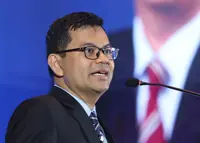
> Dr Hanley Chew is a hospitality veteran with more than 30 years of leadership experience across major hotel groups in Asia. He has served as CEO in several organisations, including Sunway International Hotels & Resorts, Khazanah’s Destination Resorts & Hotels, Berjaya Hotels & Resorts, and Vinpearl Hotels in Vietnam. He currently serves as an Adjunct Professor at Taylor’s University.

Hanley is also the founder of JOMhotel.com and Space Hospitality, providing consultancy for hotel owners and developers. An award-winning author of the Hotel Tales series, he remains an influential voice in hospitality, strategy, and leadership.


Get 20% OFF The Star Digital Access

Monthly Plan

RM 13.90/month

RM 11.12/month

Billed as RM 11.12 for the 1st month, RM 13.90 thereafter.

Best Value

Annual Plan

RM 12.33/month

RM 9.87/month

Billed as RM 118.40 for the 1st year, RM 148 thereafter.

Follow us on our official WhatsApp channel for breaking news alerts and key updates!

Next In Columnists

Make Penang AI plan a bridge for majority
Giants fall, England survive – World Cup quarter-finals take shape
Who shapes global AI rules: Asean-China cooperation role
Why the Johor election is good for Malaysian democracy
Confessions of a durian season sinner
Looming threat to social security
More predictable than the World Cup
America at 250
Coexistence with wildlife key for public safety
Jitters all round in Johor

Others Also Read