CHINA is known for its long historical background, the magnificent Great Wall, the adorable panda and the beautiful landscape. It is a frontrunner in many aspects of technology.
There is also a well known aspect of China – the uncivilised behaviour of some of its citizens – whether they are in the country or overseas.
Bad behaviour usually makes headlines news or is heavily discussed on social media platforms, forcing the government to issue reminders to the public to behave well.
But when all advice is ignored, punishment is perhaps the only solution.
The Beijing municipal legislature decided that enough is enough and has imposed a set of rules to promote good etiquette and civilised attitudes among members of the public.
From June 1, under the new Beijing civilised behaviour promotion regulation, 29 bad habits have been listed, including public spitting, defecating, littering, vandalising public facilities or archaeology sites, cutting queue, not giving way to pedestrians at zebra-crossings as well as feeding or injuring wild animals.
Fighting for seats on public transport, smoking in the queue, peddling products with a loud voice, plucking flowers or plants at the parks and sounding car honks frantically are also in the list.
I welcome the rule requiring pet owners to leash their dogs at public areas.
From my observation, at least one-quarter of my neighbours kept dogs or cats as pets. Some have both, although notices of “no pets allowed” were put up at the apartment.
It is a common sight to see dogs running all over the streets or waiting for their owners outside supermarkets without any leash on.
I get nervous when I see a dog without any leash after being bitten by one a long time ago. It is not something I’d want to experience again.In my three years living and working in Beijing, I have only seen one stray dog on the street and when I mentioned this to several foreign friends, they joked that the strays may have ended up in cooking pots.
However, there have been news of pet dogs attacking pedestrians or injuring their owners when the animals get into dog fights.
So I believe putting dogs on a leash will prevent untoward incidents.
Li Zhengbin, a member of the municipal people’s congress, said Beijing – as the nation’s capital city – has always been on the forefront of improving its image.
“The municipal legislature had solicited public opinions for the draft regulation and they gave their views, ” he told Xinhua, China’s national news agency.
Beijing is not the first city to impose such rules. In fact, Shenyang – a city in the northeastern Liaoning province – and a few others have implemented similar regulations.
Throwing objects from higher floors is another banned attitude welcomed by all as such an irresponsible act had claimed many lives throughout China.
Last month, a noodle shop worker was slapped with a fine and sacked by her employer for throwing her faeces from her fourth floor apartment in Shanghai.
The apartment unit was turned into a workers’ hostel and the woman lived in the kitchen. She said it was more convenient to poop in the kitchen ás once done, she would just throw out her faeces.
Her employer was also reprimanded for putting up the worker in an improper place.
Individuals caught with the 29 items of uncivilised behaviour are punished accordingly.
The government has also encouraged whistle-blowers to record such bad attitude as evidence.
Punishment may not be the best solution to control people’s behaviours, but I believe it is the only option when moral education fails.
Meanwhile, Beijing has also started the mandatory garbage sorting policy last month which required the public to separate their kitchen waste, recyclables, hazardous materials and others.
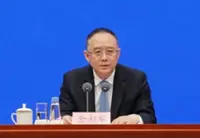
Beijing Urban Management Commission deputy director Li Rugang said the move has resulted in daily disposal and transport of waste reducing to 21,800 tonnes last month, a 14% drop compared to the same period last year, he added.
Already a subscriber? Log in
Get 20% OFF The Star Digital Access
Cancel anytime. Ad-free. Unlimited access with perks.