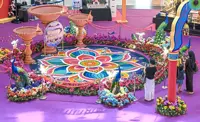
By NOW, most families celebrating Deepavali would have finished all their preparations; spring cleaning, muruku- making and shopping for new outfits.
Homes will have been decorated with colourful flowers and kolam to welcome family and friends during the Festival of Lights.
Deepavali bazaars used to be my family’s go-to place to get all our festive needs from traditional outfits to accessories, home decorations and other bits and pieces.
For busy families like ours, these bazaars were a one-stop centre to get a variety of goods at affordable prices.
It also made Kuala Lumpur come alive with a festive atmosphere heightened by the decorations and music blaring from the shops.
These bustling marketplaces have long become an integral part of the festivities, patronised by generations, but in recent years they have faced a decline in popularity, especially in Kuala Lumpur.
During a visit to the Deepavali bazaar in Masjid India area two weekends ago, I noticed there were hardly any visitors visiting the stalls set up there.
This is a far cry from previous years when there would be hundreds of stalls along the stretch of Jalan Masjid India and overflowing into the side streets.
Kuala Lumpur City Hall (DBKL) stopped approving festive bazaars in Masjid India in 2018 following a string of issues including mismanagement, subletting of lots to others, poor sanitation and the involvement of middlemen.
Deepavali traders have been allowed back since last year but only along Jalan Bunus 6.
Even then, organisers were only allowed 40 lots and only about half started operating.
Traders told me that they were hoping for a windfall closer to the festival in the hopes of recouping some of their investments.
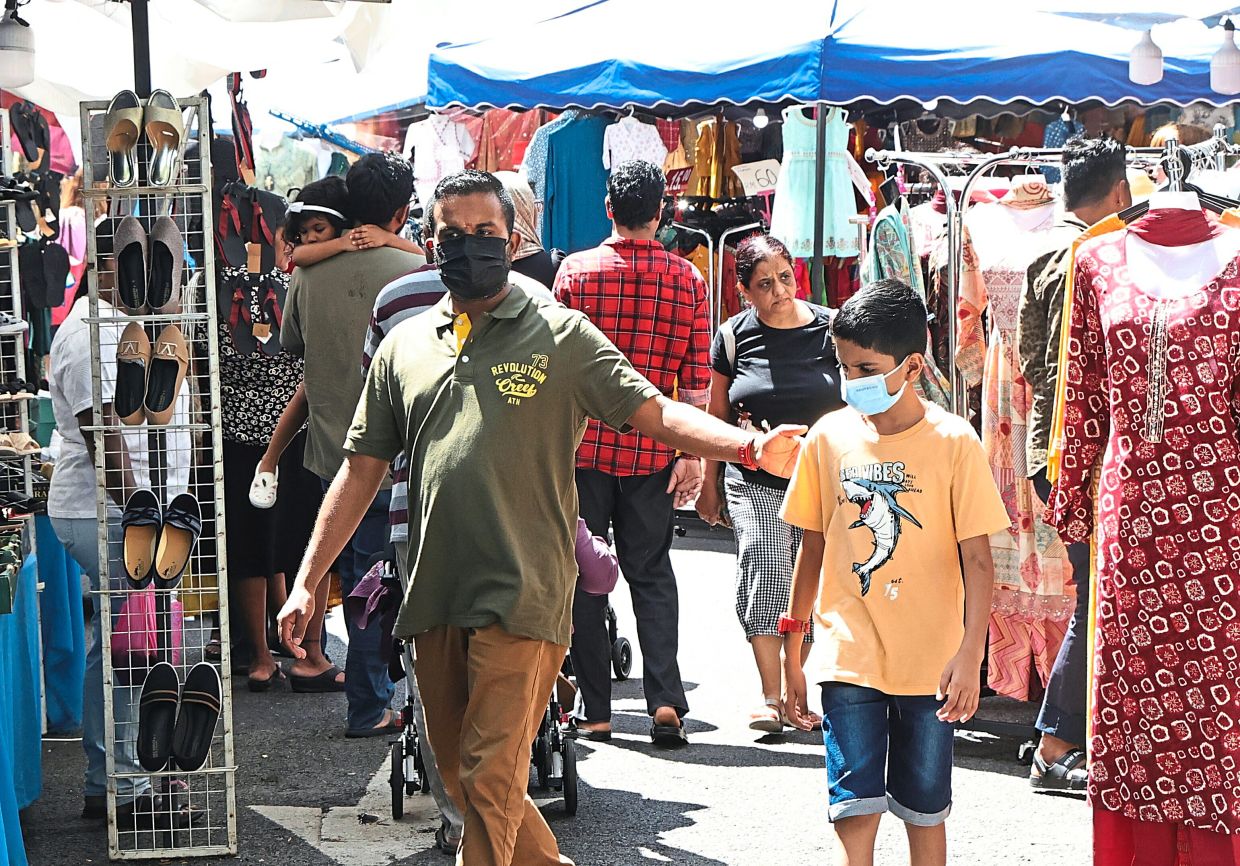
As one of the traders pointed out, with better support from customers, it would be possible to bring in more stall operators in the future.
Only 179 lots have been allocated in Kuala Lumpur this year, in Jalan Bunus 6, Jalan Rakyat and Jalan Tun Sambanthan in Brickfields as well as Lebuh Ampang.
Even popular sites like Brickfields have gotten some pushback as traders and DBKL clashed over bazaar locations.
Things came to a head after DBKL rejected the organiser’s application to set up the bazaar at the same location used in previous years.
A DBKL letter sent to the organiser simply stated that the bazaar site was unsuitable – with few options or solutions provided.
The matter was eventually resolved with intervention by Prime Minister Datuk Seri Anwar Ibrahim’s political secretary Azman Abidin, who said that Brickfields traders could set up their bazaar stalls as usual in Jalan Tun Sambanthan this year.
However, this is only a stopgap measure as the same issues are bound to crop up again next year unless proper discussions are held.
These issues make it difficult for local traders to have the confidence to continue to participate in local bazaars.
They, along with their customers, have increasingly been drawn to the independently-run carnivals and bazaars around the country.
Even then traders have to compete with international wholesalers selling at lower prices.
The council-managed bazaars are by far the cheapest for local entrepreneurs when it comes to setting up.
Yes, these are typically no frills, and traders and customers alike have to put up with weather changes.
But this also means that traders tend to not hike up the prices too much, making it a more affordable option.
More importantly, it allows local traders to participate and expand their businesses, helping stimulate the local economy.
Additionally, the personal connection between the buyer and the seller is a special aspect of shopping at local bazaars.
We have the opportunity to interact directly with the people who either make or hand-select the products they sell.
This connection adds value to the shopping experience and creates a sense of authenticity that is often lacking in larger, more impersonal retail environments.
While Deepavali bazaars in KL have faced their fair share of challenges, they still exist, serving as a reminder of the need for change and adaptation.
The challenges faced by our local traders are opportunities for innovation and renewal.
With the support of the community, they can find creative ways to breathe new life into our beloved bazaars.
Already a subscriber? Log in
Get 20% OFF The Star Digital Access
Cancel anytime. Ad-free. Unlimited access with perks.