MELAKA: Fewer candidates in the Melaka state election do not necessarily mean an easier ride for the major coalitions, with more than eight hot seats expected to test their electoral strength amid shifting political alliances and multi-cornered contests, say analysts.
Political analyst Dr Mohammad Tawfik Yaakub of Universiti Malaya said the smaller number of candidates reflected significant changes in Melaka’s political landscape, with parties becoming more selective and strategic in fielding candidates.
“Although Barisan Nasional, Pakatan Harapan and Perikatan Nasional remain important political players, the participation of Bersatu and Bersama introduces additional dimensions to the contest, he said yesterday.
The state polls will see 79 candidates contesting 28 seats, a 29.5% drop from the 112 candidates who took part in the 2021 state election.
There will be 11 straight fights, 11 three-cornered contests and six four-cornered battles.
The four-cornered contests will take place in Gadek, Kelebang, Pengkalan Batu, Ayer Keroh, Bukit Katil and Bemban.
The number of independent candidates has also fallen from 22 in 2021 to just three in 2026, an 86.4% decline. Their share of the total field has dropped from 19.6% to 3.8%.
Of the 28 state seats, 10, including Tanjung Bidara, Merlimau, Paya Rumput and Kelebang, are attracting attention because of high-profile candidates, changing political alliances and questions over whether voters will accept certain candidates. Another eight are being watched because they were won by narrow margins in the 2021 election.
Tawfik said electoral cooperation and seat-sharing arrangements between major coalitions had helped reduce competition between parties working together.
At the same time, he said, smaller parties and independent candidates faced considerable challenges, particularly in campaign financing, organisational strength and grassroots mobilisation.
Universiti Sains Malaysia political analyst Prof Datuk Dr Sivamurugan Pandian said the contest was becoming more clearly defined among the major coalitions – Barisan, Pakatan and Perikatan.
“However, the real test is voter loyalty and vote transferability, not simply the number of candidates,” he said.
He said the Umno-PAS electoral understanding had contributed significantly to the reduction in candidates by preventing clashes and consolidating support in selected seats.
“However, political cooperation does not guarantee voter cooperation on the ground. That is where Umno and PAS will face their real test,” he said.
Political analyst Mujibu Muis said while the smaller number of candidates could be seen as a sign of greater political consolidation, it did not necessarily mean competition for votes would be less intense.
He said the state election still had 11 three-cornered contests and six four-cornered fights, despite the overall drop in the number of candidates.
“Besides Barisan, Pakatan and Perikatan, the participation of Bersatu, Gerakan and Bersama has also made the electoral landscape complex.
“Fewer candidates do not necessarily make the contest easier to predict. It is still a close race, with the candidates and voter demographics remaining important factors in the battle for votes.
“This is particularly so given that young voters make up the majority of the nearly 700,000 registered voters,” he said.
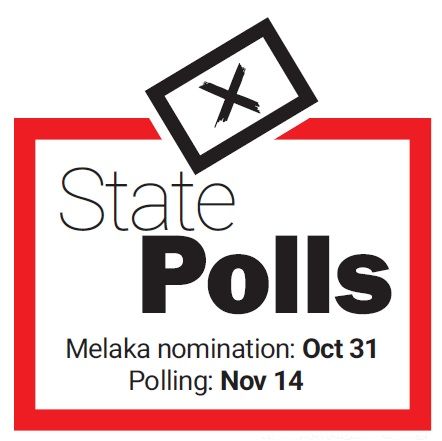
The election will be held on Nov 14, with early voting scheduled for Nov 10.