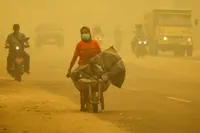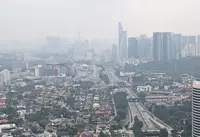
PETALING JAYA: For many Malaysians living in Indonesia, their day-to-day routine depends on the air quality.
They would often monitor the situation and adjust their daily routines when haze affects their surroundings, from limiting outdoor activities to taking precautions during daily commutes.
Senior accountant Daniel Ter, 35, who is based in Jakarta, said periods of poor air quality can make travelling to work and spending time outdoors less comfortable.
Ter said he would monitor local air quality readings and weather updates to determine whether conditions had deteriorated before deciding on his daily activities.
“When the air quality is poor, I will try to spend less time outdoors and avoid unnecessary activities outside, especially during the day.”
He said he would also keep windows closed and use an air purifier at home. When going outside, he wears a standard face mask.
“Travel and outdoor plans can become less convenient when the air quality is bad, so I would rather take precautions than risk being out for too long.”
In Palembang, South Sumatra, Malaysian student Aina Rahman, 24, said she would balance her daily responsibilities if haze affects the area.
“I would check the air quality before leaving for class and try to stay indoors.”
She said preparing meals at home and buying groceries in advance helped her avoid unnecessary outings.
Aina said she would also wear a mask when necessary and limit outdoor activities if pollution levels increased.
“Students still have classes and assignments, so it would be difficult if the haze affects our daily commute.”
Mechanical engineer Samuel Lim, 26, who is based in Bandung, West Java, said staying informed about local conditions would help him decide when to adjust his activities.
“I would follow local air quality updates, avoid strenuous outdoor activities and postpone non-essential errands if pollution levels became unhealthy.”
He said keeping more essential supplies at home could help reduce unnecessary outings while an air purifier could be useful.
“Planning ahead gives us more flexibility. If conditions are poor, we will stay indoors.”
Lim said his concern is if poor air quality persisted and began disrupting daily activities.